

 Phoenix 24
Not every supplement is metabolically neutral.
Mexico City, May 2026.
For people with diabetes, buying protein powder is not only a fitness decision. It is a metabolic decision that can affect glucose control, kidney workload, weight management and the hidden intake of sugars or additives. The label matters as much as the brand.
The first warning is sugar. Many protein powders include sweeteners, flavorings, maltodextrin or carbohydrate blends that can raise blood glucose or complicate insulin management. A product marketed as healthy may still carry ingredients that work against a diabetic nutrition plan.

The second issue is kidney health. People with diabetes are at higher risk of kidney complications, so excessive protein intake should not be treated casually. Before using concentrated protein supplements, the safest approach is to consider medical guidance, especially for anyone with kidney disease, hypertension or long-term metabolic complications.

The third factor is quality control. Supplements are not always regulated with the same rigor as medicines, and some may contain contaminants, inaccurate labels or unnecessary stimulants. For diabetic consumers, the best option is usually a clean formula with low sugar, clear protein content, minimal additives and transparent certification.
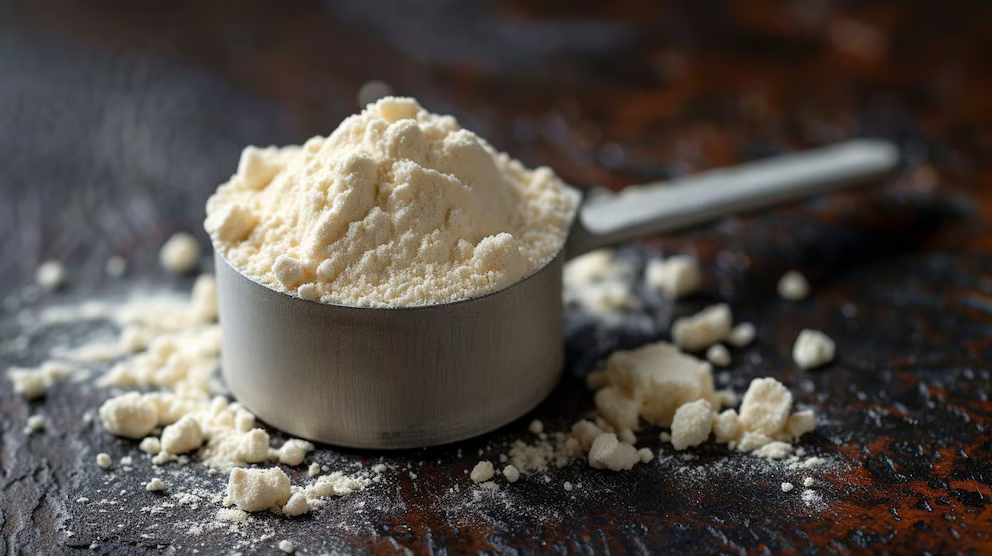
Protein powder can be useful, but it is not automatically safe. In diabetes, the real question is not whether a supplement looks healthy, but whether it fits the person’s glucose pattern, renal status, diet and treatment plan. The body does not read marketing. It reads ingredients.
Detrás de cada dato, la intención. / Behind every data point, the intention.