

 Phoenix 24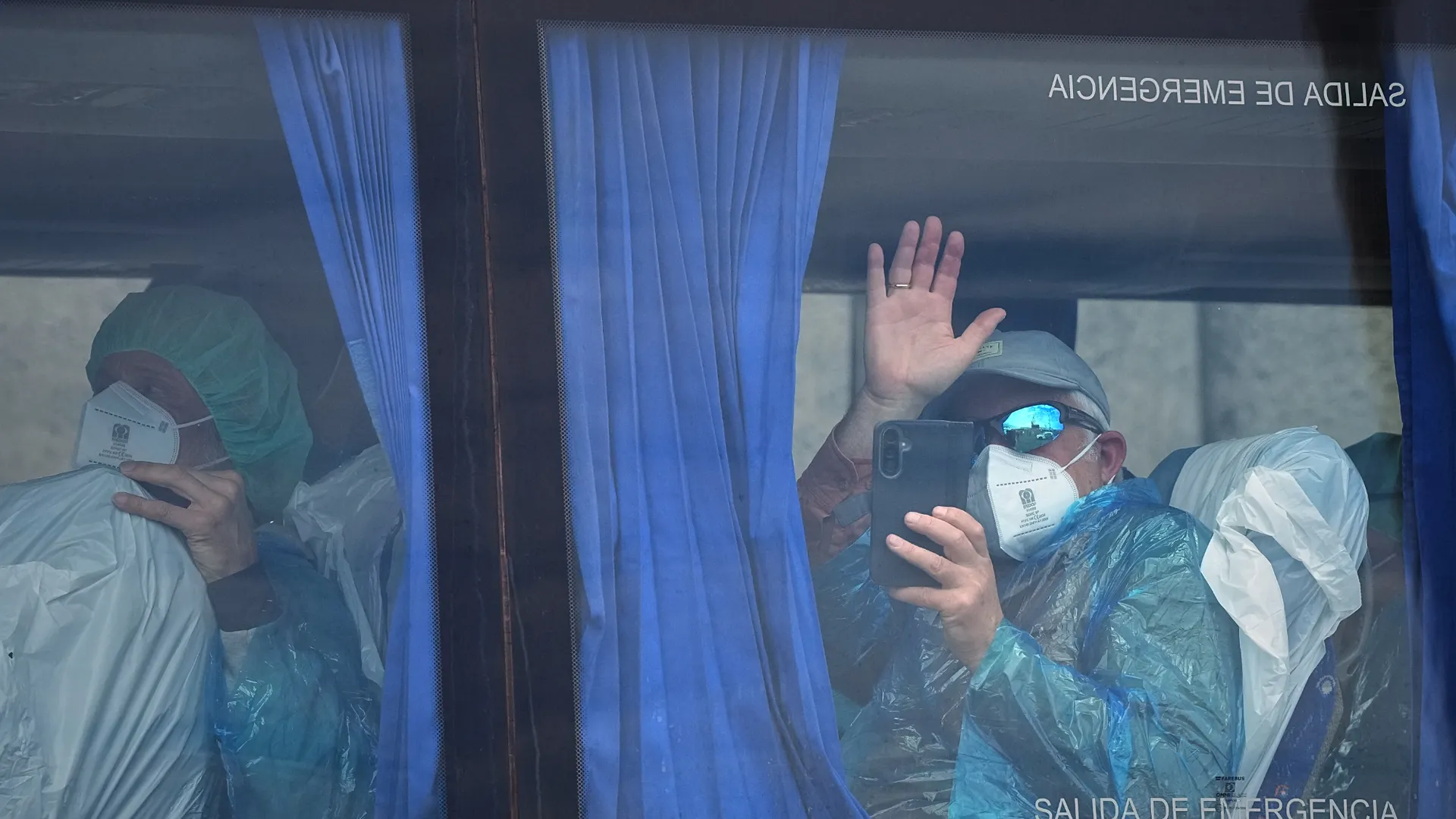
Medical monitoring is now the central line.
Madrid, May 2026. Spain’s Ministry of Health confirmed a second positive hantavirus case among Spanish passengers quarantined after the outbreak linked to the MV Hondius cruise ship. The new infection was detected through periodic PCR testing within the established medical surveillance protocol, not through evidence of wider community transmission.
The patient had already been identified as a close contact and remained isolated at Gómez Ulla Central Defense Hospital in Madrid. Health authorities stressed that the case does not increase the risk for the general population, but it reinforces the value of early detection, controlled isolation and precise epidemiological tracing.
Twelve other Spanish passengers remain under quarantine and medical observation while the isolation period continues. The episode shows how a limited outbreak can activate the full architecture of public health response: surveillance, laboratory confirmation, clinical containment and institutional communication aimed at preventing uncertainty from becoming alarm.
The case also leaves a broader lesson for Europe. Health security no longer depends only on hospitals, but on the capacity to detect risk across tourism, transport, ports, cruise routes and international medical coordination. In that landscape, a cruise ship is not only a vessel; it can become a moving epidemiological node.
Phoenix24: clarity in the grey zone. / Phoenix24: claridad en la zona gris