

 Phoenix 24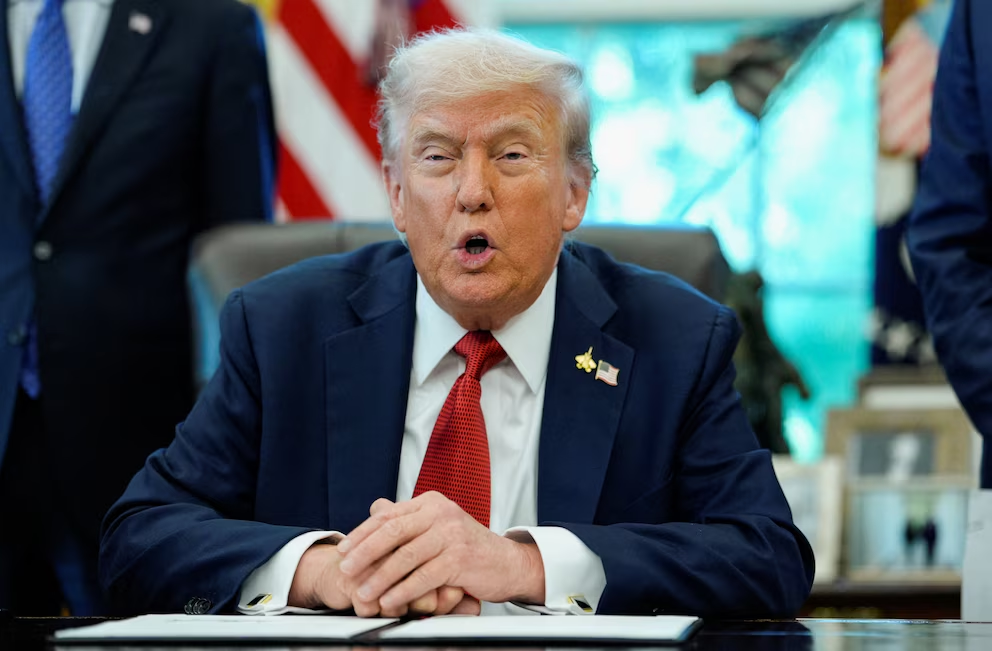
Behind closed doors, competing agendas, fragile trust, and geopolitical calculations collide in a high-stakes bid to end the conflict.
Cairo, October 2025
The Red Sea resort of Sharm el-Sheikh has become the epicenter of one of the most consequential diplomatic efforts in the Middle East in recent years. Delegations from Israel and Hamas, separated by layers of intermediaries and decades of enmity, have convened for indirect negotiations aimed at halting the devastating conflict in Gaza. At the center of this fragile process is former U.S. President Donald Trump, who has launched a full-scale diplomatic push to secure what he calls an “immediate and comprehensive” agreement — and claims that Hamas is already conceding on “very significant points.”
Trump’s aggressive rhetoric has transformed the atmosphere around the talks. His repeated public statements urging both sides to “move quickly” are designed to inject a sense of urgency into negotiations that have historically dragged on for months. The strategy is as much psychological as diplomatic: by compressing the timeline, Washington hopes to prevent either party from retreating to entrenched positions. Yet the approach also risks hardening resistance, particularly among Israeli leaders wary of external pressure and Hamas factions that see rapid concessions as signs of weakness.
The framework under discussion reportedly centers on a phased ceasefire, the gradual withdrawal of Israeli forces from key areas of Gaza, a large-scale prisoner exchange, and the establishment of a transitional administrative body to govern the territory. Such a structure, while ambitious, faces formidable obstacles. Israel insists on ironclad security guarantees and the complete disarmament of militant factions before any territorial concessions are made. Hamas, for its part, demands an end to the blockade, full sovereignty over internal affairs, and international guarantees that reconstruction funds will not be withheld for political leverage.
Egypt and Qatar, the principal mediators, are attempting to narrow these gaps through shuttle diplomacy. Their goal is to craft a sequence of reciprocal steps that both sides can accept without appearing to capitulate. Yet the challenges extend beyond policy differences. Trust remains virtually nonexistent. Israeli officials suspect that Hamas could use a ceasefire to rearm and regroup, while Hamas leaders fear that Israel may stall or reverse its commitments once hostages are released and international scrutiny wanes.
Meanwhile, humanitarian concerns are mounting. Gaza’s infrastructure has been decimated by months of airstrikes and ground operations. Water and electricity supplies are critically low, hospitals are operating beyond capacity, and international aid agencies warn of an impending public health crisis if sustained access to essential goods is not guaranteed. Humanitarian corridors and supply routes are being negotiated alongside ceasefire terms, but the question of who will oversee their implementation remains unresolved.
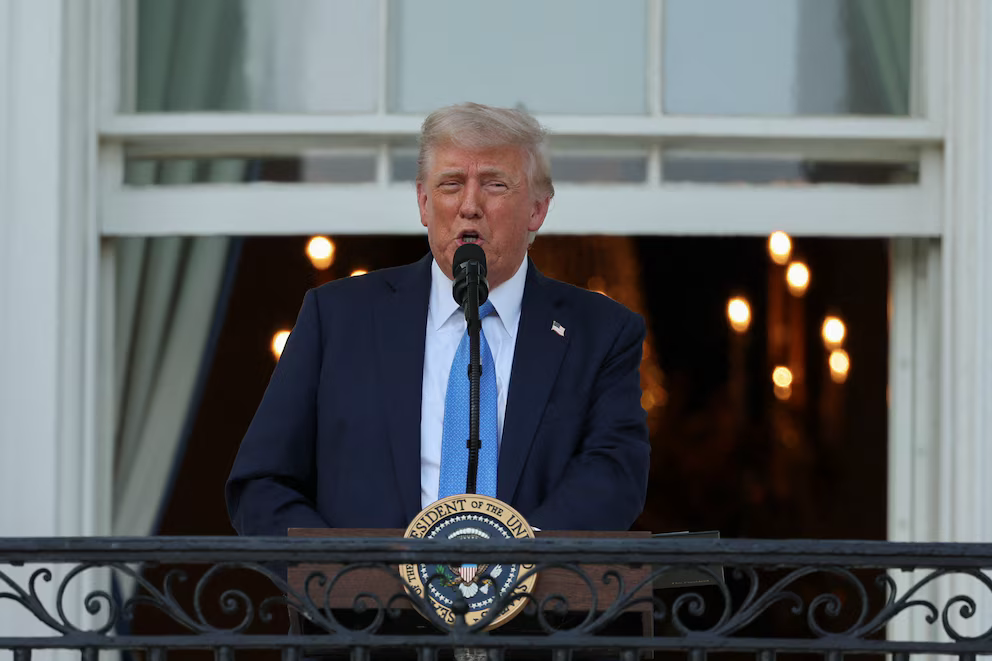
The political stakes for Trump are also significant. After leaving office under contentious circumstances, he sees a potential Gaza deal as an opportunity to recast himself as a global statesman and strengthen his foreign policy credentials ahead of a possible return to power. Success here could provide a powerful narrative of diplomatic competence. Failure, however, risks reinforcing perceptions of volatility and unpredictability that have shadowed his previous Middle East initiatives.
Regional powers are watching closely, each with its own interests at stake. Egypt seeks to stabilize its volatile border and reassert itself as a central player in Arab diplomacy. Qatar wants to preserve its role as a key broker with Hamas and maintain leverage in regional politics. Saudi Arabia is considering how the outcome might shape its evolving relationship with Israel, particularly in the context of broader normalization talks. Turkey and Iran, meanwhile, continue to influence Hamas’s strategic calculus, complicating the group’s decision-making process.
The global context adds another layer of complexity. The European Union and United Nations have expressed cautious support for the talks, emphasizing the urgent need for a political resolution but warning against any agreement that leaves the underlying causes of the conflict unresolved. The United States, while driving the process, faces criticism for what some analysts describe as an overly transactional approach that prioritizes speed over substance.
The negotiations are unfolding amid intense pressure from public opinion across the region. In Israel, a significant portion of the population supports a ceasefire if it guarantees the safe return of hostages. Yet powerful political factions remain adamantly opposed to any deal that does not decisively neutralize Hamas. Within Gaza and the broader Palestinian territories, expectations are equally divided. Some see negotiations as a necessary step toward relief and reconstruction, while others view them as a betrayal of resistance principles.
Despite the obstacles, a breakthrough — even a partial one — remains possible. Analysts suggest that a limited initial agreement focusing on humanitarian access and a temporary cessation of hostilities could serve as a foundation for more comprehensive negotiations later. But such an outcome will require concessions from both sides, as well as credible mechanisms to enforce compliance and build the trust necessary for longer-term peace.
The stakes could hardly be higher. For the millions caught in the crossfire, the outcome of the talks in Egypt will determine not just the trajectory of the conflict, but the shape of their daily lives for years to come. Whether the current push succeeds or collapses under the weight of history remains uncertain. What is clear is that time is running out — and the decisions made in these days will reverberate far beyond the walls of the negotiating rooms.
Global narrative resilience. / Resistencia narrativa global.