

 Phoenix 24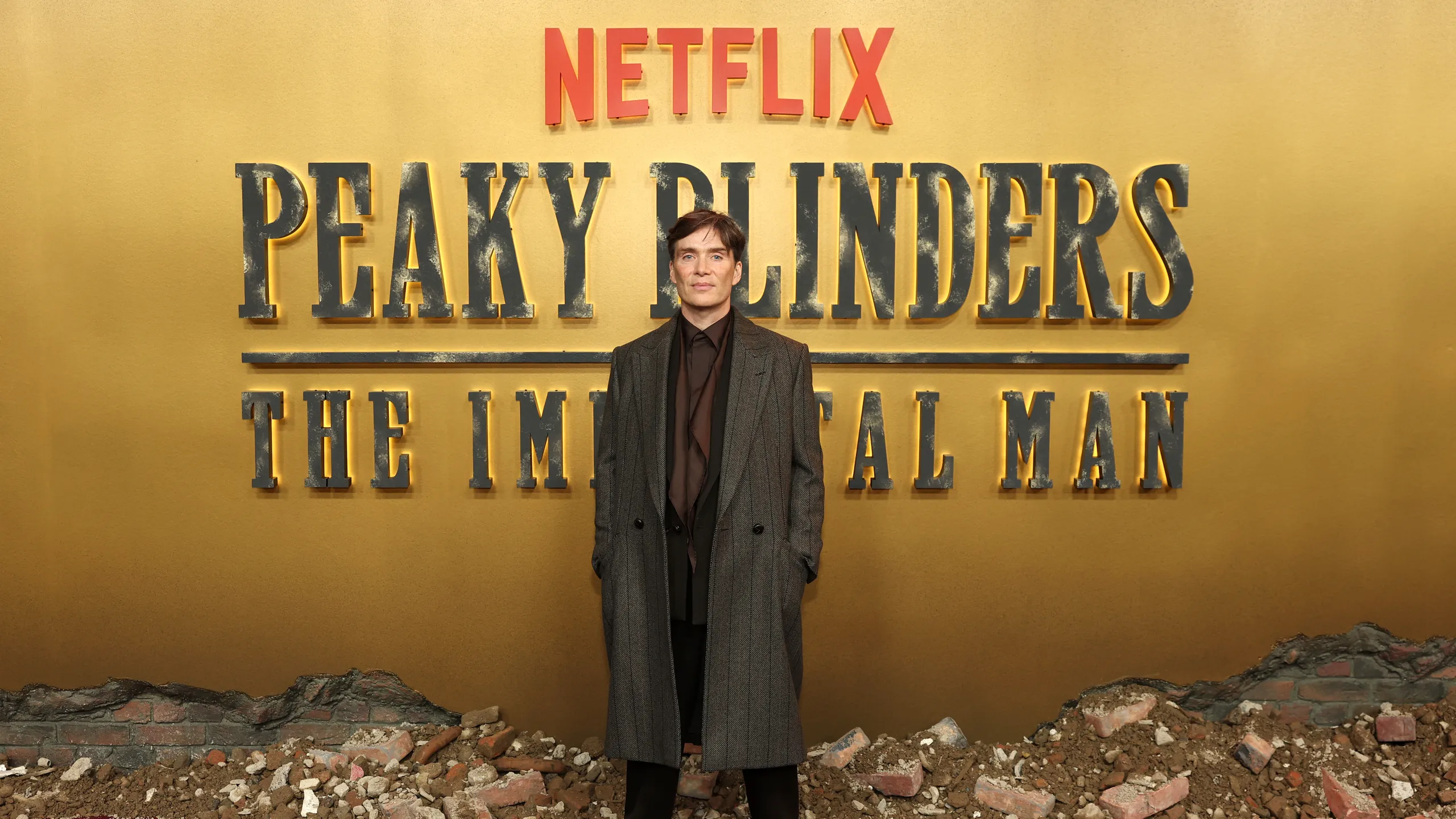
The audience demands intensity, not comfort.
London, March 2026. Peaky Blinders: The Immortal Man arrives not as a simple continuation, but as a carefully calibrated expansion of a narrative world that already carries deep cultural weight. The film brings back the orbit of Tommy Shelby while introducing new figures embodied by actors such as Tim Roth and Rebecca Ferguson, both stepping into a universe defined less by plot mechanics than by atmosphere, identity and emotional code. That matters because Peaky Blinders has never functioned merely as a successful series. It has operated as a stylized mythology with its own internal grammar of power, grief and control.
What stands out most in the current conversation is the nature of its audience. This is not a passive fan base that simply wants more content. It is a loyal and highly responsive public that has internalized the tone, cadence and symbolic texture of the franchise. The attachment runs deeper than character loyalty. It is tied to the way the series constructs masculinity, ambition, violence and class aspiration through a visual and emotional discipline that feels instantly recognizable. That helps explain why any new entry into this world carries unusual pressure. Viewers are not only asking whether the story continues. They are asking whether the atmosphere remains intact.
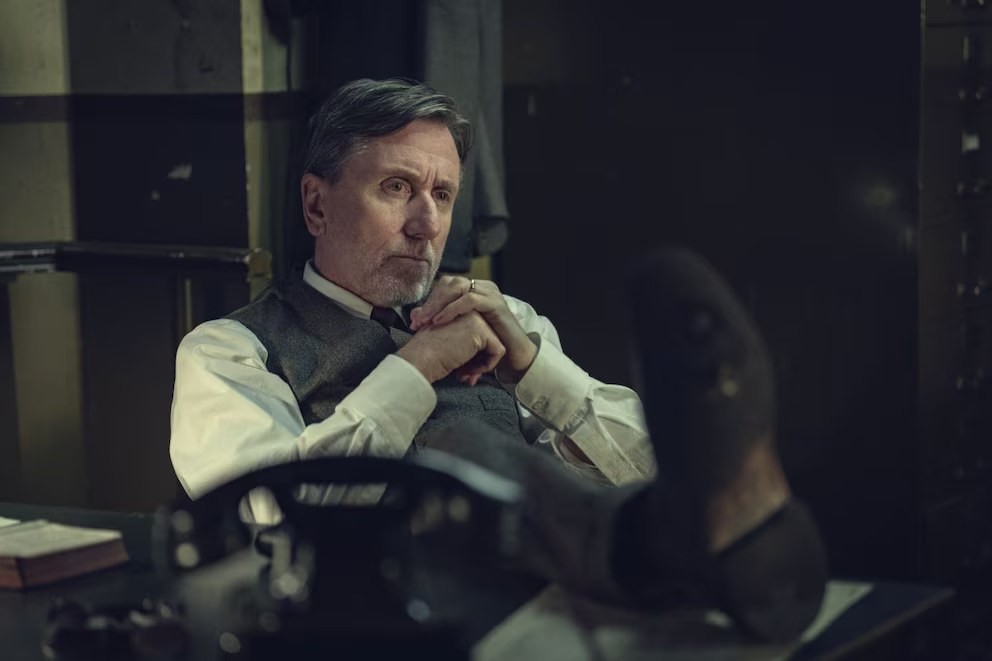
That context defines the challenge for newcomers. Entering Peaky Blinders is not just a matter of joining a cast, but of integrating into a pre-existing symbolic system. Actors in this universe are expected to do more than perform a role. They must inhabit a tonal structure already familiar to the audience, one in which severity, restraint and latent menace are essential. This is why casting matters so much. The inclusion of performers with the gravitas of Tim Roth and Rebecca Ferguson signals an effort to preserve prestige, tension and narrative authority while widening the dramatic field.
The film’s relevance also lies in its broader historical setting. By pushing the Shelby world further into the turbulence of a darker political era, the story expands beyond the intimate mechanics of gang power and family control into a space where ideology, conflict and national atmosphere begin to weigh more heavily. That shift matters because it gives the franchise a chance to evolve without abandoning its core identity. It allows the mythology to grow outward while still remaining anchored in the emotional severity that made it distinctive.
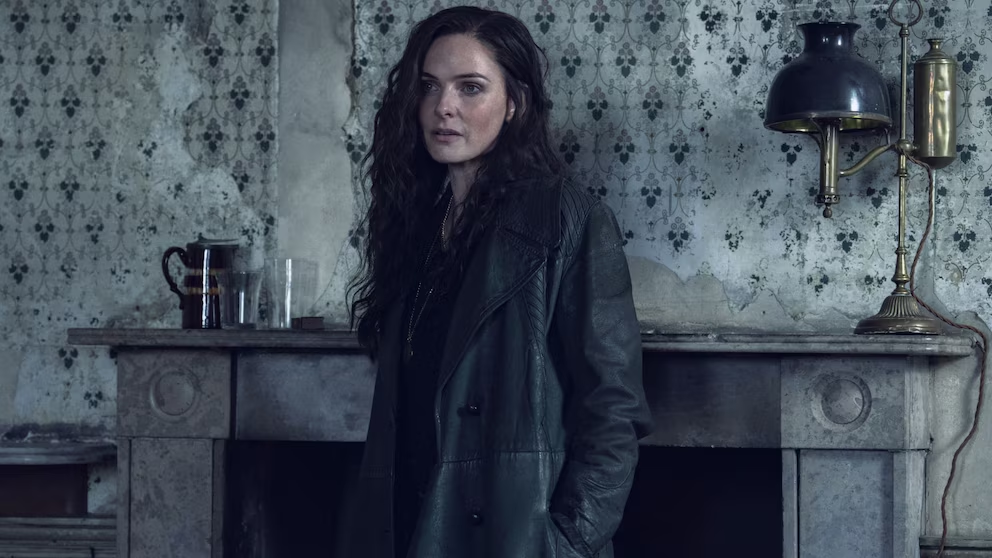
But the deeper reason this return matters is cultural rather than narrative. Peaky Blinders has endured because it offered a stylized language for collapse. It gave audiences a world where elegance and brutality could coexist, where personal ruin could be framed with discipline and where ambition always carried the scent of self-destruction. Few franchises manage to balance aesthetic seduction with emotional darkness so effectively. That balance is what fans are truly defending when they react so strongly to any continuation.
In that sense, The Immortal Man is more than a film extension. It is a negotiation between inheritance and reinvention. It must satisfy nostalgia without becoming trapped by it, and it must add new forces without weakening the code that made the franchise matter in the first place. Whether it fully succeeds is ultimately a question for viewers, but its cultural function is already clear. It exists to prove that Peaky Blinders was never only a story people watched. It was a world they learned to inhabit.
Behind every datum, there is an intention. Behind every silence, a structure.