

 Phoenix 24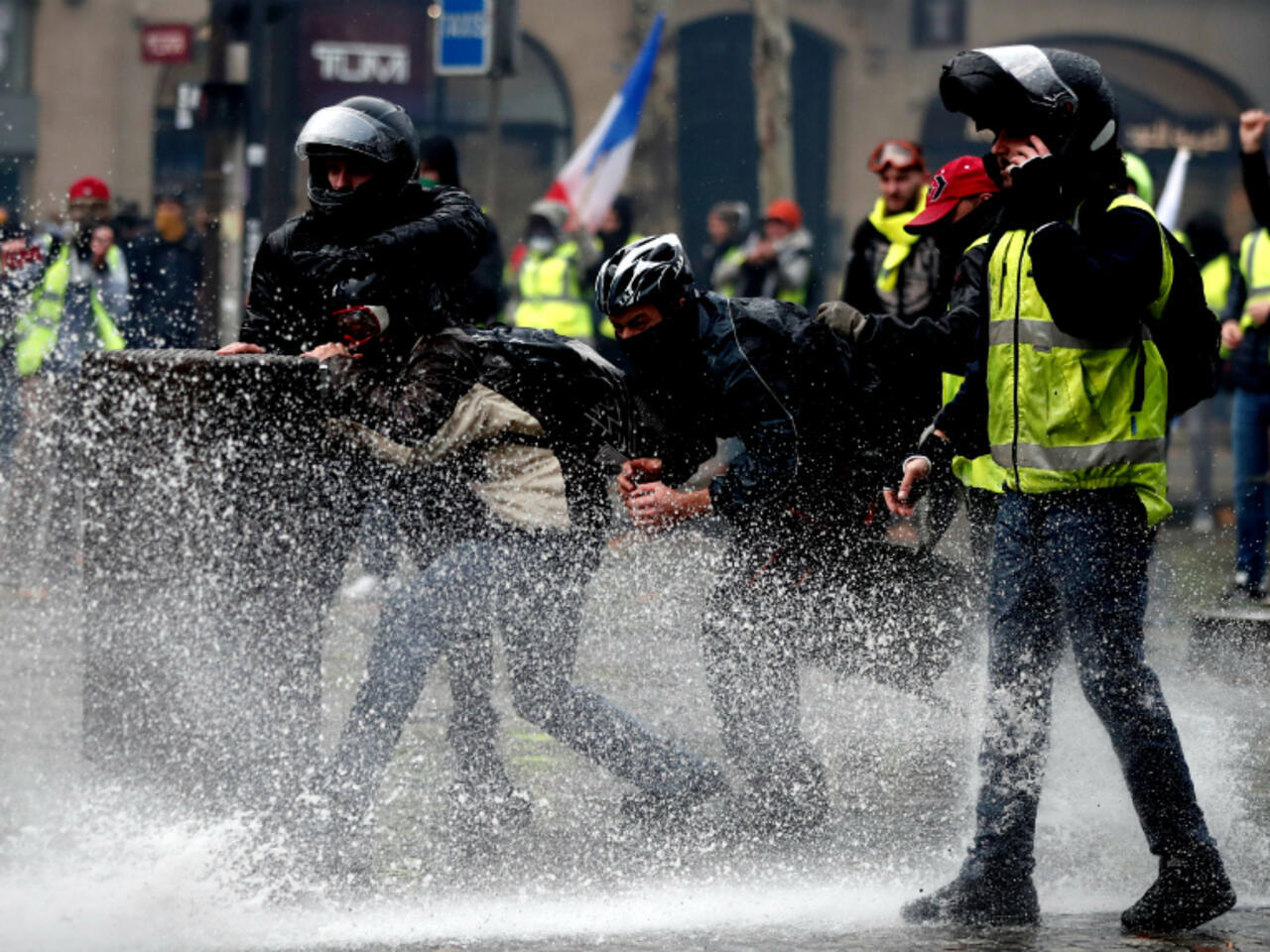
The convoy is really protesting the cost of endurance.
Paris, March 2026
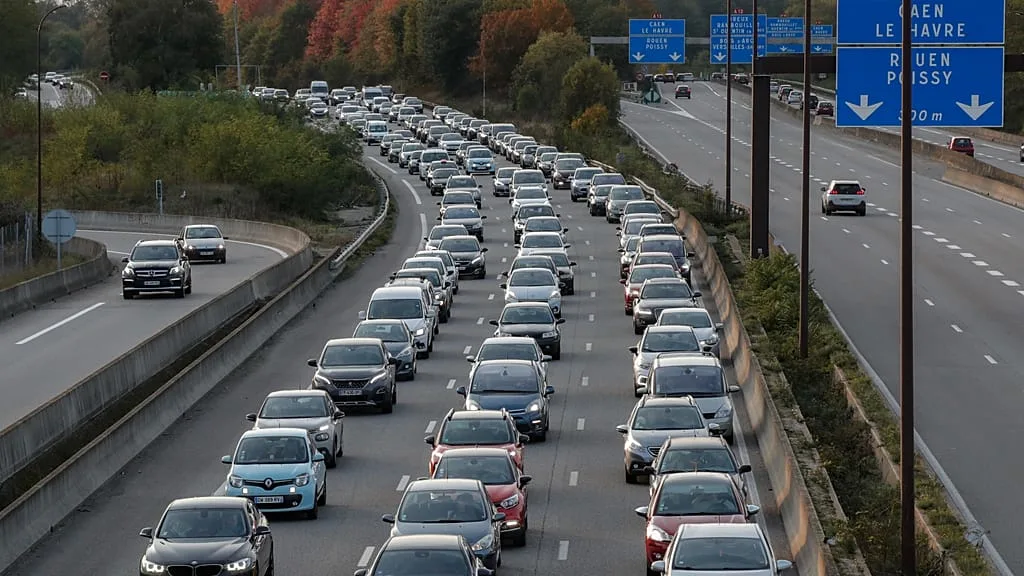
Transport operators brought a deliberate slowdown to the Paris ring road as fuel prices tightened pressure on one of the sectors least able to absorb sustained energy shocks. Buses and trucks moved in a rolling protest designed not only to disrupt circulation, but to make visible the narrowing margins under which road transport is now operating. What unfolded around the capital was more than a traffic action. It was a public demonstration of how geopolitical turbulence reaches the street through diesel, logistics, and cost accumulation.
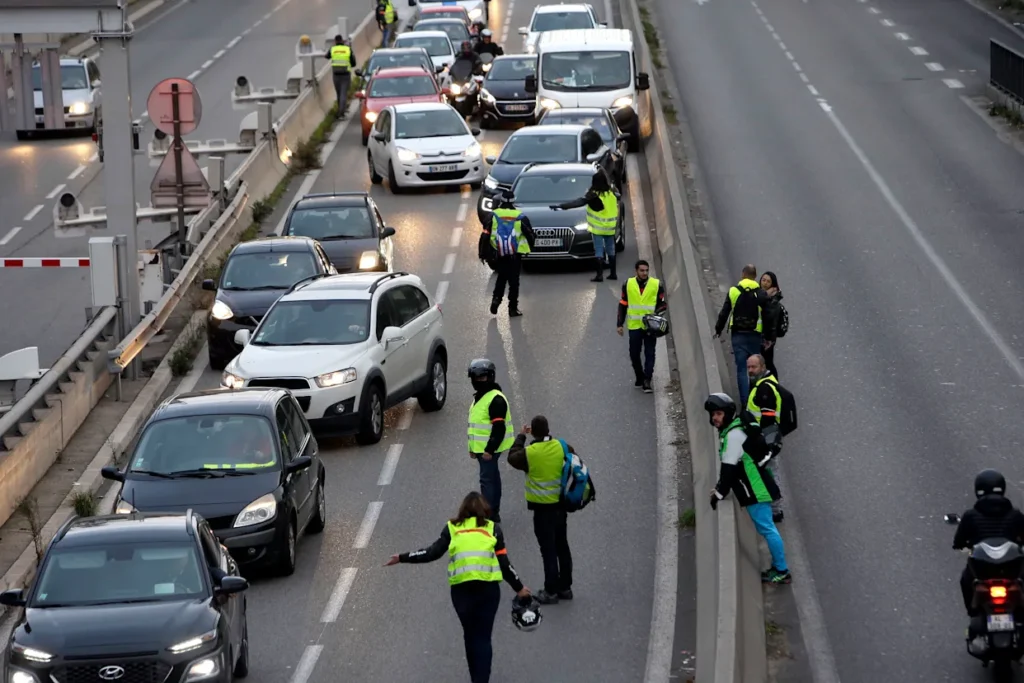
The protest matters because transport is one of the first sectors to feel energy inflation in a direct and unforgiving way. When fuel rises sharply, there is little room to hide the impact. The cost moves quickly from tank to balance sheet, from balance sheet to pricing, and from pricing to political tension. For small and medium operators in particular, the increase is not experienced as abstract macroeconomics. It is experienced as daily operational suffocation.
That helps explain why the action in Paris was framed not just as anger, but as a demand for state assistance. The transport unions involved are not merely denouncing price volatility. They are signaling that the market, left on its own, is no longer protecting the viability of firms that keep circulation alive. In that sense, the convoy becomes a warning to government as much as a complaint against energy costs. It says that logistics cannot remain invisible when the system that depends on it is losing economic oxygen.
The wider backdrop is crucial. Fuel prices have been climbing under the pressure of the Middle East war, and European governments are already weighing targeted relief for sectors most exposed to the shock. France has openly discussed support measures for transport and other energy intensive activities, which means the protest arrives at a moment when the state is already being pushed to convert concern into intervention. Paris is therefore not only the site of the demonstration. It is the stage where social pressure and fiscal response now meet.
There is also a deeper political memory embedded in this kind of mobilization. In France, fuel is never just a commodity once price spikes begin to spill into public anger. It quickly becomes a symbol of unequal burden, territorial fragility, and the distance between national policy and everyday survival. Road protests gain power precisely because they dramatize that relationship. The vehicle becomes both tool of labor and instrument of dissent.
What emerges from the slowdown is not simply an image of congestion around the capital. It is a reminder that modern economies remain physically dependent on sectors whose vulnerability is often acknowledged only when they begin to protest. The road transport industry is telling the French state that endurance has a price, and that price is no longer manageable under current fuel conditions. Paris did not just witness a traffic disruption. It witnessed an early signal that energy pressure is once again turning mobility into politics.
Phoenix24: journalism without borders. / Phoenix24: periodismo sin fronteras.