

 Phoenix 24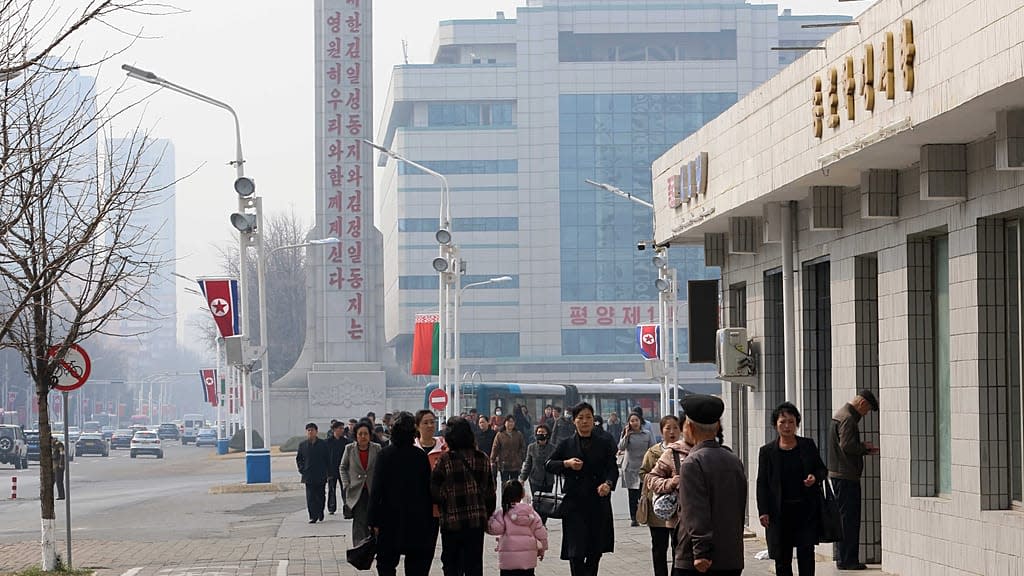
A flight route can also be a diplomatic message.
Beijing, March 2026
China has resumed direct passenger flights to North Korea after a six-year interruption, restoring an air link that does more than move travelers between capitals. The return of the Beijing–Pyongyang route signals another step in North Korea’s slow and carefully managed reopening after the extreme isolation of the pandemic years. What looks like a transportation update is also a political gesture. In this part of Asia, mobility is rarely just mobility.
The restart matters because the suspension had become a symbol of Pyongyang’s self-sealed condition. For years, border closures were not merely a health measure, but part of a wider regime of control that reduced outside contact to a minimum. Reopening flights now suggests that North Korea is willing to reintroduce selected channels of exchange, but only under terms it can calibrate. The country is not opening itself broadly. It is reopening in narrow, supervised increments.
The route also carries weight because it reinforces China’s role as North Korea’s indispensable external lifeline. Beijing remains Pyongyang’s central economic partner, logistical connector, and geopolitical buffer. When direct flights resume, the message is not only that travel is possible again. It is that China is still the main state capable of helping North Korea reconnect with the outside world without forcing it into full exposure. The corridor therefore operates as both infrastructure and reassurance.
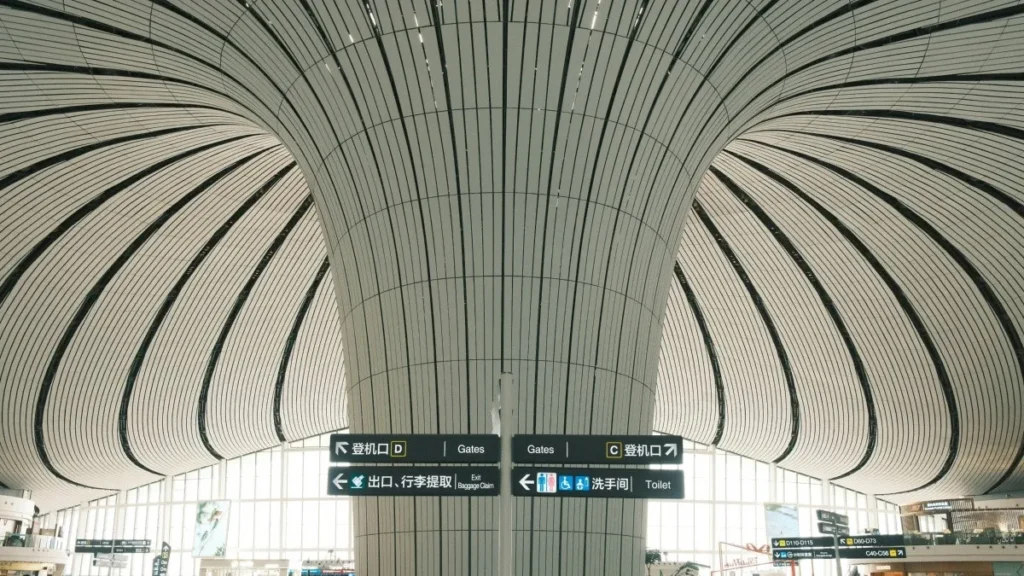
This development fits a wider pattern already visible in recent weeks. Passenger rail service between Beijing and Pyongyang has also returned, which suggests that the reopening is not accidental or isolated. It is part of a broader restoration of controlled links between the two neighbors. That pattern points less to normalization in the liberal sense than to a selective rebuilding of strategic circulation.
There is also an economic subtext beneath the move. China supplied the overwhelming majority of foreign visitors to North Korea before the pandemic, and any return of air service raises questions about tourism, trade, and the flow of approved personnel. Yet the reopening should not be mistaken for openness. Pyongyang still appears determined to regulate entry tightly, meaning that renewed connectivity may expand state breathing room without substantially loosening political control. Access can return while isolation remains intact.
What emerges from this resumed route is a familiar truth about North Korea’s place in the regional order. Every practical adjustment around the country quickly acquires diplomatic meaning because the regime has made normal contact so exceptional. A weekly flight becomes a geopolitical signal. A reopened connection becomes evidence of managed recalibration. Beijing’s aircraft may be carrying passengers, but the route is also carrying a message: North Korea is moving again, though only as far, and as carefully, as the state chooses.
Phoenix24: journalism without borders. / Phoenix24: periodismo sin fronteras.