

 Phoenix 24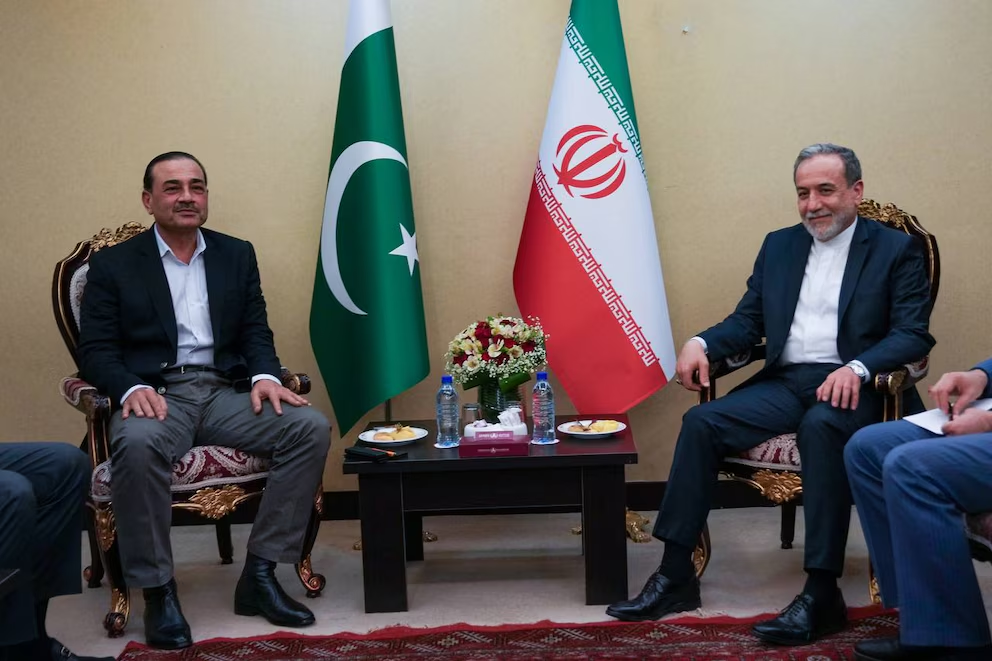
Mediation replaces confrontation in a fragile ceasefire window
Tehran, April 2026. A high level Pakistani delegation has arrived in Iran with a clear objective: revive negotiations between the United States and Iran after recent talks collapsed without agreement. The visit takes place within a narrow diplomatic window created by a fragile ceasefire, which both sides appear willing to extend if meaningful progress can be achieved.
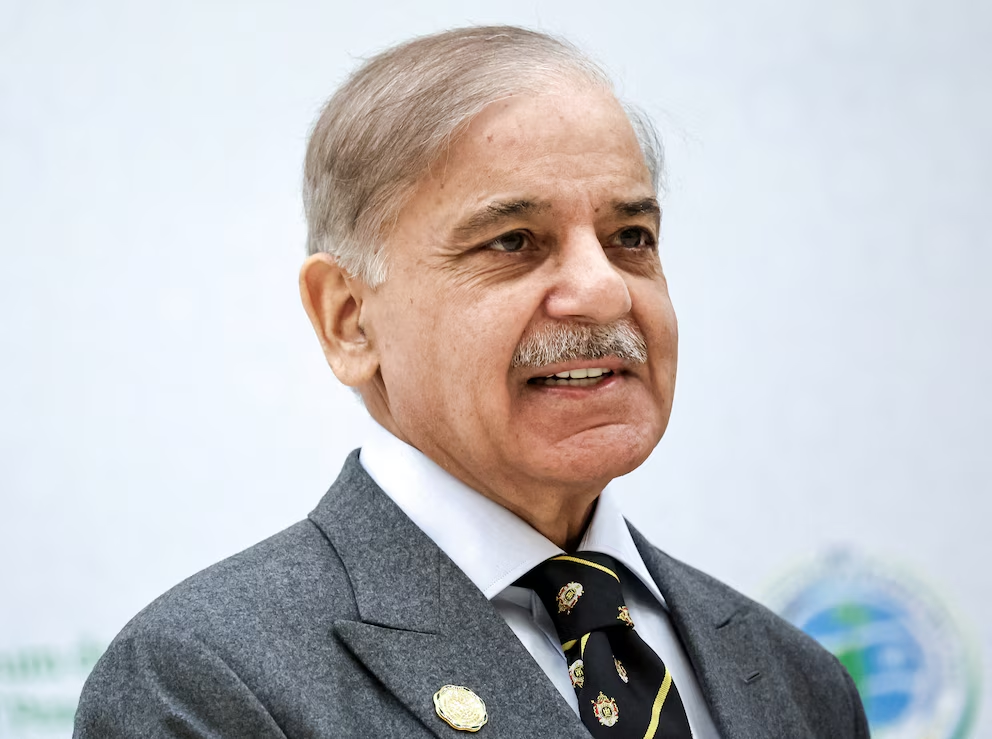
The delegation is not symbolic. It is led by senior military and political leadership, signaling that Pakistan is operating as an active intermediary rather than a passive facilitator. Its role is to carry proposals, reduce friction, and reopen a negotiation channel that remains strained but not broken.
The urgency reflects the failure of the previous round of talks held in Islamabad, which lasted more than 20 hours but ended without a deal. Core disputes remain unresolved, particularly around Iran’s nuclear program and the reopening of the Strait of Hormuz, a critical artery for global energy flows.
Despite that breakdown, diplomatic engagement has not collapsed. Instead, it has shifted into a mediated phase. Pakistan has emerged as a central broker, leveraging its regional positioning and diplomatic flexibility to maintain dialogue between two actors that lack direct trust.
The broader context amplifies the stakes. The conflict has already caused significant regional disruption, affecting shipping routes, energy markets, and political stability across the Middle East. In this environment, mediation is not simply a diplomatic exercise but a containment strategy designed to prevent escalation into a wider crisis.
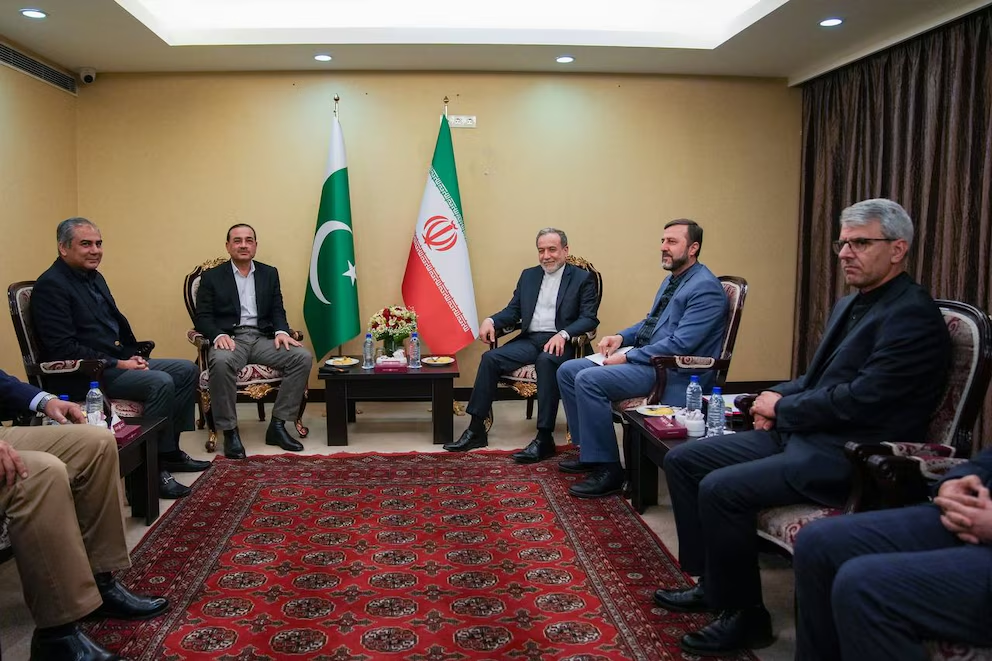
What is unfolding reflects a deeper shift in how high risk negotiations are conducted. Traditional great powers are no longer the only architects of diplomatic outcomes. Regional actors such as Pakistan are increasingly stepping into intermediary roles, especially in conflicts where direct engagement between primary actors is politically constrained.
The outcome remains uncertain. However, the arrival of the Pakistani delegation in Tehran signals that dialogue is still viable, even under conditions of military pressure and strategic distrust. In a conflict defined by volatility, the persistence of negotiation itself becomes a form of stability.
Behind every data point, there is an intention. Behind every silence, a structure.