

 Phoenix 24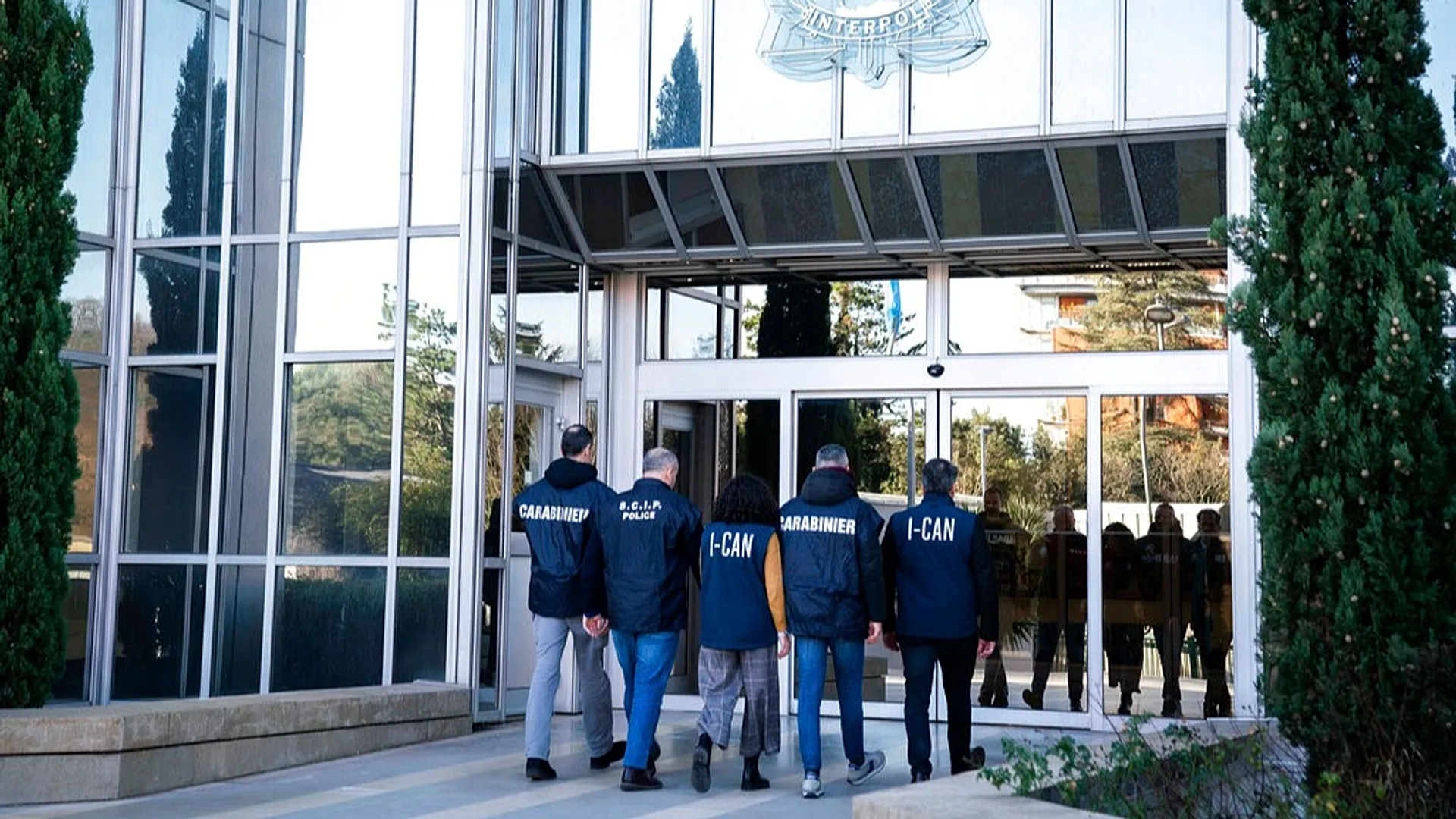
A sweeping global police campaign against human trafficking networks has struck a decisive blow in the fight against modern slavery.
Lagos, January 26, 2026. A major multinational law enforcement effort coordinated by Interpol has resulted in the arrest of 3,744 suspected human traffickers and migrant smugglers across 119 countries, authorities reported, marking one of the most extensive collaborative actions against modern slavery and related criminal networks in recent memory. The operation, known as Liberterra III, was carried out between November 10 and November 21, 2025, and involved around 14,000 officers from participating countries working in coordinated actions designed to disrupt organized trafficking rings, dismantle recruitment hubs, and protect vulnerable populations at risk of exploitation.
Law enforcement agencies from Europe to Asia to the Americas participated in Liberterra III as part of a concerted effort to combat human trafficking, which officials say is evolving in scope and operation. Traffickers increasingly use digital platforms, complex recruitment schemes, and transcontinental networks to lure victims with false promises of employment, education, or travel opportunities before subjecting them to forced labour, sexual exploitation, or debt bondage. The scale and coordination of the Liberterra III effort reflect growing recognition among global police forces that these criminal enterprises require equally expansive and unified responses that transcend national borders and traditional investigative boundaries.
Interpol officials highlighted that the arrests were accompanied by protective measures for potential victims. During the operation at least 4,414 individuals believed to be at risk of exploitation were identified and moved to safety, with law enforcement efforts focused both on arresting suspects and on rescuing those trapped in exploitative situations. Additionally, authorities uncovered nearly 13,000 people found within broader illegal migration schemes connected to trafficking networks, underscoring the often blurred lines between criminal smuggling and organized exploitation. New investigations have been opened in at least 720 cases, a sign of the ongoing work needed to follow up on intelligence gathered during the operation and to hold networks accountable within domestic legal systems.
Officials described a shifting geographical pattern of trafficking activity uncovered during Liberterra III. While Africa has historically been a source region for trafficked individuals, new trends showed increasing flows of South American and Asian victims being moved into and through African transit zones, reflecting the dynamic and adaptive nature of criminal networks. West and Central African countries including Benin, Burkina Faso, Côte d’Ivoire, Ghana, Senegal and Sierra Leone reported that their authorities were able to rescue more than 200 individuals and shut down multiple recruitment and exploitation hubs as part of the operation, demonstrating the regional impact of coordinated international policing.
Traffickers frequently operate through deceptive recruitment practices, charging large fees and employing pyramid-style schemes that coerce victims to recruit friends and relatives under false pretences, further expanding their networks of exploitation. Routes along the coasts of Senegal, Guinea-Bissau, Morocco and Algeria were identified as particularly dangerous for migrants vulnerable to trafficking, as were overland networks in parts of South America including Peru and Brazil. These geographic insights are expected to inform future enforcement priorities and preventative strategies designed to interrupt trafficking at its roots rather than merely respond to its consequences.
Interpol’s secretary general noted that identifying emerging patterns of exploitation allows law enforcement to anticipate criminal behaviour, disrupt networks at earlier stages, and implement protective measures that can save lives. The operation also highlighted the importance of international information sharing and operational cooperation, with specialized coordination units established in key regions to facilitate communication between national police, border agencies and judiciary authorities, enabling a more unified approach to dismantling complex criminal structures.
Liberterra III was not confined to traditional trafficking modalities but also intersected with broader illegal migration controls. Nearly 13,000 people were uncovered in connection with irregular migration processes, signalling how criminal actors exploit gaps in migration governance to funnel vulnerable individuals into exploitative situations. This overlap of smuggling and trafficking underscores the need for holistic policy frameworks that address both criminal justice responses and humanitarian protections for migrants and trafficking survivors. Authorities involved in the operation emphasized that combating trafficking is not solely a policing challenge but also a matter of safeguarding human rights and supporting long-term reintegration for rescued individuals.
National law enforcement agencies have welcomed the results of Liberterra III as a significant accomplishment but have stressed that it represents one phase of a protracted and adaptive struggle against transnational criminal groups. The opening of hundreds of new investigations illustrates the ongoing legal and operational work required to translate arrests into prosecutions and convictions, and to dismantle the financial and logistical underpinnings of trafficking syndicates. Moreover, international bodies involved in the operation have recognised that sustainable progress depends on continued collaboration, investment in victim services, and strategic pressures on criminal networks that adjust in response to enforcement actions.
As governments and police authorities digest the outcomes of Liberterra III, they face the challenge of transforming tactical successes into enduring systems that can prevent exploitation before it begins, support victims through recovery, and hold offenders accountable across jurisdictions. This requires not only operational coordination but also political will, legal harmonization and community-level engagement that addresses the social and economic vulnerabilities exploited by traffickers.
Behind every global security initiative against human trafficking there is a structure of coordination, intent and accountability that defines how the world responds to exploitation and protects the most vulnerable.