

 Phoenix 24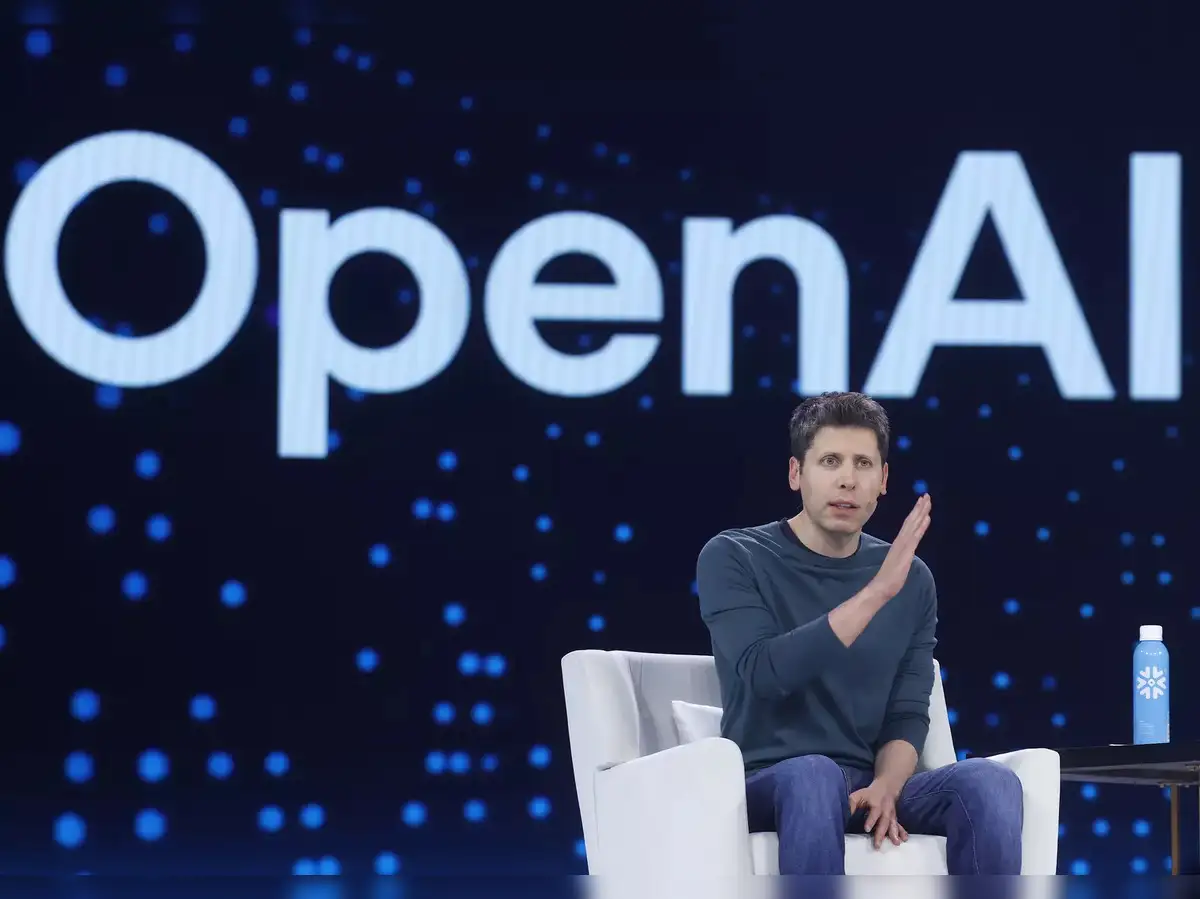
Opportunity becomes pressure when the mission is mission-critical.
San Francisco, January 2026.
OpenAI, the developer of the ChatGPT family of artificial intelligence models, has announced a search for an executive to head a newly defined role described internally as one of the most demanding in the artificial intelligence sector. The position reflects the company’s rapid expansion, its commercial milestones and the complex expectations placed on leaders who must balance innovation with safety, ethics and global impact. OpenAI’s rise to prominence follows a trajectory shared by many technology pioneers whose breakthroughs reshape both markets and public discourse, and now it seeks leadership capable of steering through accelerating change.
The role carries responsibilities across organizational strategy, product development and external engagement, demanding fluency in technology, regulation and public trust. Silicon Valley veteran recruiters note that roles combining technical oversight with reputational accountability are rare but increasingly common as digital platforms grow in scale and influence. In this case, the executive in question will be tasked with aligning research teams, product divisions and policy units under a coherent vision that anticipates both commercial opportunities and societal risk. Such alignment becomes crucial when a technology’s adoption ripples through economies and cultures simultaneously.

Observers in Europe point out that leading an AI organization today requires navigation of regulatory landscapes that vary widely by jurisdiction. European Union frameworks on digital markets and artificial intelligence have introduced compliance and transparency obligations that differ substantially from those in North America or Asia. A leader at this level must therefore build internal systems that not only innovate but also comply with evolving legal standards and ethical norms. The task demands strategic foresight and cross-disciplinary coordination, qualities that are not easily found in a single individual.
From Asia, industry analysts highlight another dimension of the challenge: global competition and standards harmonization. Countries such as Japan and South Korea have invested heavily in AI research and commercialization, creating ecosystems where government, industry and academia collaborate closely. An executive at a leading AI firm must understand these dynamics, building partnerships that respect local innovation strategies while advancing shared goals. That context amplifies the intensity of the role, since technological leadership now happens across multiple continents rather than within a single market.

OpenAI’s commercial success amplifies the stakes of this leadership search. Revenue streams generated from enterprise AI offerings, developer platforms and licensing deals place the organization in a complex financial position. On one hand, its solutions have become integral to business processes across industries; on the other, competition from global technology firms pushes for ever faster development cycles. Balancing sustainable growth against aggressive market expansion is a core tension for any executive entrusted with strategic direction.
At the same time, social expectations are high. Civil society organizations and academic institutions in North America frequently spotlight ethical questions about AI transparency, bias and accountability. Critics argue that generative systems should be evaluated not only on performance metrics but also on their broader societal effects, including labor market shifts and information ecosystems. An executive in charge must therefore engage with public discourse, articulating positions that are defensible before diverse audiences without undermining innovation.

The regulatory environment adds another layer of complexity. Governments across the world are debating legislative frameworks that would govern the use, deployment and oversight of artificial intelligence. In the United States, congressional committees have held hearings on issues ranging from data privacy to algorithmic transparency. In the European Union, regulations seek to categorize AI systems by risk level, imposing stricter controls on higher impact applications. In Latin America, emerging policy debates navigate similar concerns as countries balance digital inclusion with data protection. A senior leader at an AI firm must be adept at participating in these discussions with credibility and nuance.
Within the technology sector itself, internal dynamics can be intense. Rapid hiring, cross-functional teams, and the pressure to deliver novel capabilities place demands on organizational culture and resilience. Leaders must cultivate environments where research thinkers, product engineers and policy specialists collaborate effectively rather than compete for influence. That cultural aspect is less visible externally but essential for long-term success, since misalignment between teams can slow progress or produce conflicting priorities.
Recruiters engaged in the search describe the ideal profile as someone who combines technological depth with diplomatic skill, someone who can speak fluently with developers and regulators alike. Communication, they say, becomes as important as technical understanding. In an era where public expectation intersects with market pressure and ethical obligation, that combination is rare.
The compensation associated with such roles often reflects the breadth of responsibility and the strategic value placed on holistic leadership. Salaries and incentives at this level are typically structured to attract talent capable of thinking systemically and acting decisively. Yet compensation alone does not guarantee performance, particularly in fields where public trust and long-term vision are as valuable as short-term results.

Ultimately, this search reflects a broader evolution in how artificial intelligence organizations are governed. Moving beyond founding visions and early innovation cycles, they now face expectations that encompass global markets, regulatory scrutiny and societal impact. Finding a leader who can navigate this convergence of pressures is not just a matter of organizational fit; it is a signal about how the industry perceives its own maturity.
As OpenAI and its peers look ahead, the call for multifaceted leadership underscores that artificial intelligence is no longer solely a technical frontier. It is a human, economic and civic frontier as well. Steering through that complexity requires leaders who understand that influence today reverberates across continents tomorrow.
Phoenix24: clarity in the grey zone. / Phoenix24: claridad en la zona gris.