

 Phoenix 24
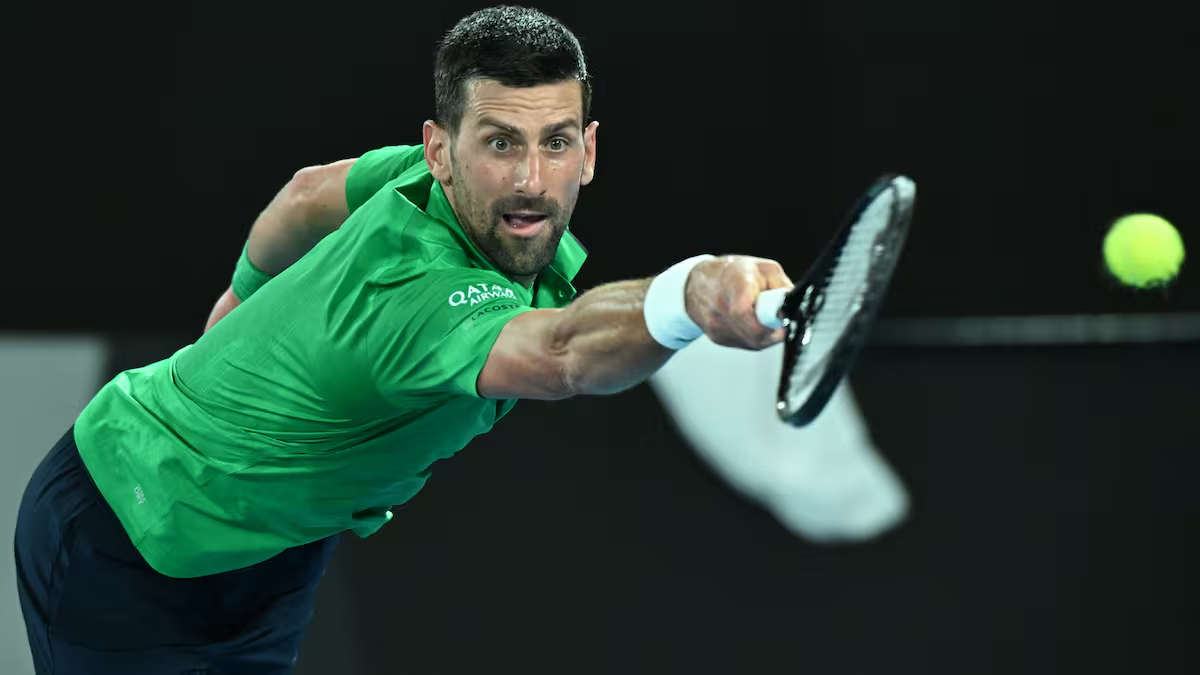
A single strike of frustration nearly altered the course of one of tennis’s most decorated careers.
Melbourne, January 2026. Novak Djokovic came close to disqualification during his Australian Open match after hitting a ball in anger that traveled dangerously close to a ballkid positioned near the net. The incident occurred in a tense phase of the match, when emotions were running high and margins were thin. Spectators reacted immediately as the ball narrowly missed its unintended target, highlighting how quickly frustration can turn into risk. Under professional tennis regulations, reckless ball strikes can lead to automatic default, a rule shaped by previous high-profile incidents. In this case, officials chose not to impose a sanction, allowing play to continue. The decision prevented what could have been a dramatic and abrupt end to Djokovic’s tournament.
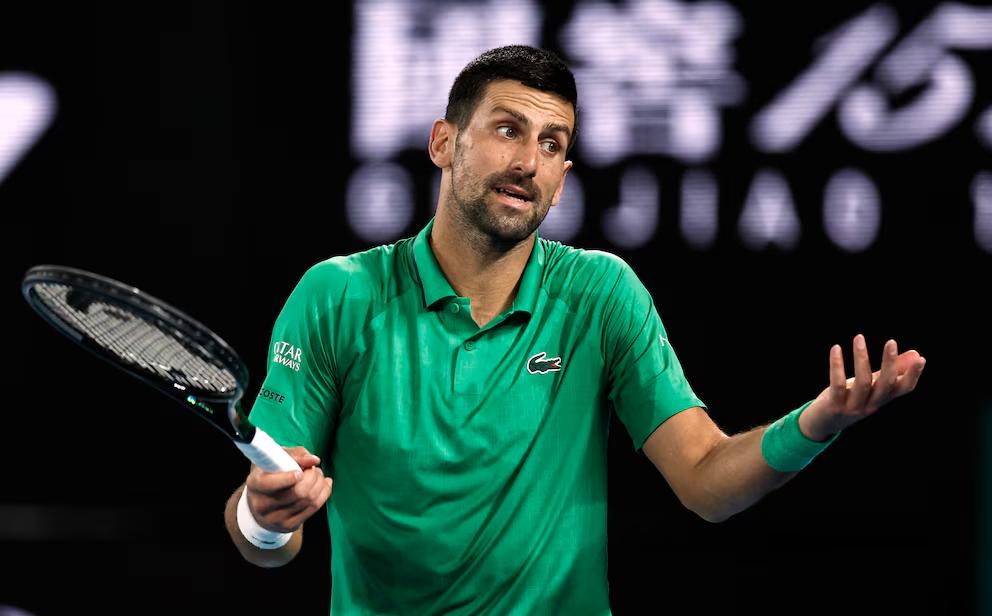
The episode reignited debate about consistency and judgment in the enforcement of on-court conduct rules. Many observers noted that similar actions in the past have resulted in severe penalties, fueling questions about discretionary interpretation. Supporters argued that intent and outcome both matter, while critics stressed that safety should override contextual nuance. The near-miss underscored the vulnerability of ballkids and officials who operate in close proximity to elite play. It also highlighted the responsibility placed on players to maintain control regardless of competitive pressure. The absence of a formal warning amplified scrutiny rather than closing the discussion.
Djokovic addressed the moment after the match, acknowledging that his reaction crossed a line of acceptable risk. He emphasized that frustration must never compromise the safety of others on court. Such admissions reflect the tension elite athletes face when channeling intensity at the highest level of competition. Djokovic’s career has been defined by emotional fire as much as technical mastery. Moments like this expose the fine balance between competitive edge and professional discipline. They also remind audiences that even champions are subject to human lapses.
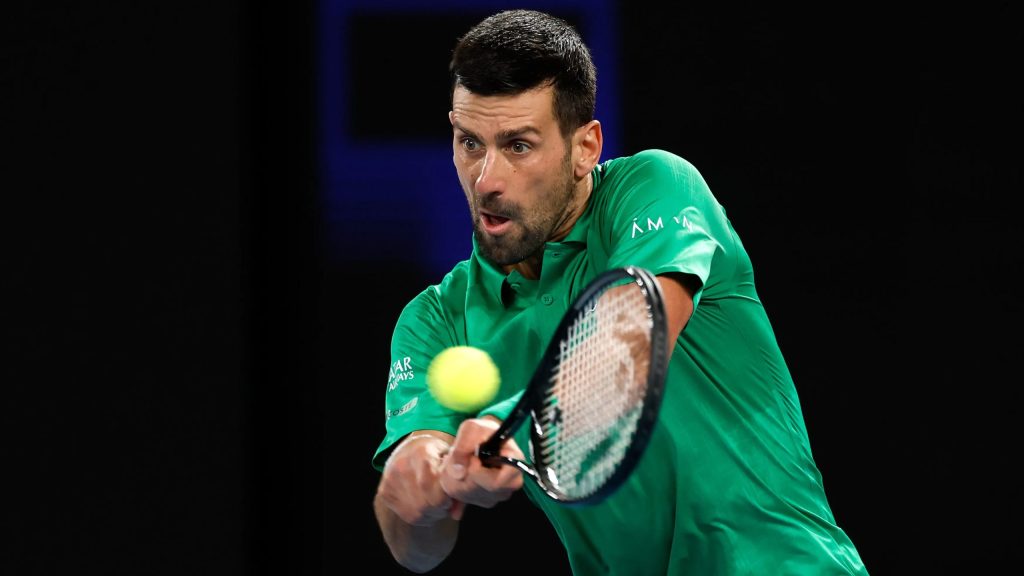
Despite the controversy, Djokovic regrouped quickly and secured his victory, advancing deeper into the tournament. His ability to refocus demonstrated the mental resilience that has sustained his dominance over the years. Yet the incident added an unexpected layer of narrative to his campaign in Melbourne. Fans and analysts alike now view his path forward through the lens of both performance and composure. As the tournament progresses, scrutiny of his conduct is likely to intensify. The moment serves as a cautionary reminder of how thin the line is between control and consequence in elite sport.
Behind every data point, there is an intention. Behind every silence, there is a structure.