

 Phoenix 24
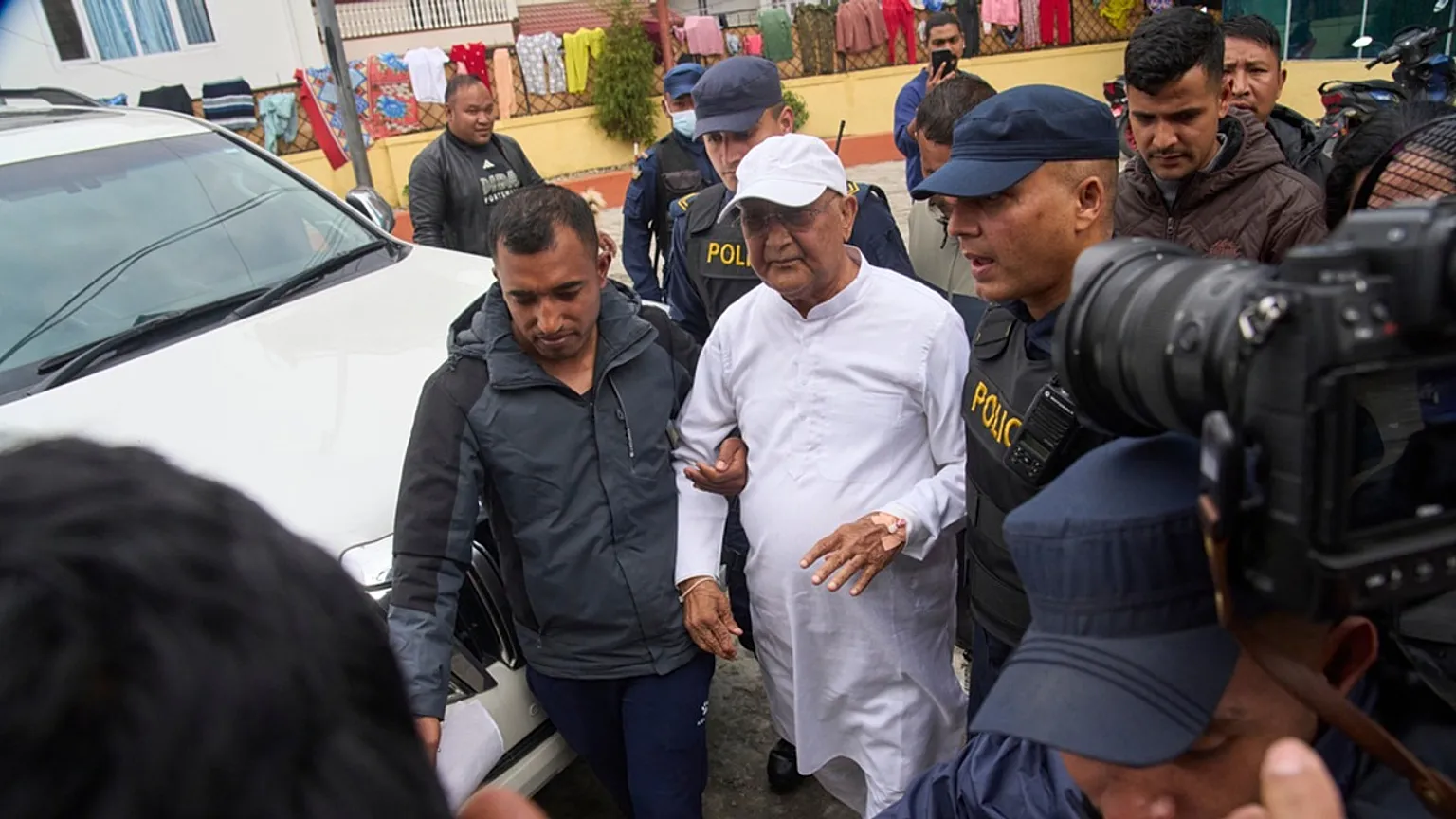
Justice arrives differently when an old order has already cracked.
Kathmandu, March 2026
Nepal’s detention of former Prime Minister K. P. Sharma Oli and former Home Minister Ramesh Lekhak is not just a dramatic legal episode. It is the moment when last year’s deadly protest crackdown stops being remembered only as a political crisis and starts being processed as a question of state accountability. Police moved against both men after an investigative panel recommended prosecution over their alleged failure to prevent the bloodshed during the September 2025 anti-corruption protests. Those protests left dozens dead and thousands injured, which makes the arrests far more than symbolic theater.
What matters most is not only who was arrested, but what the arrests say about Nepal’s political transition. The detentions came after the rise of a new government whose ascent was fueled in part by public outrage over the killings and by a broader generational rejection of the old political class. That timing turns the arrests into an act of historical sequencing: first the street revolt, then the collapse of legitimacy, and now the legal pursuit of those seen as responsible. In political terms, Nepal is trying to convert protest memory into institutional consequence.
The legal basis of the case also matters. The accusation is not simply that these former leaders presided over a bad moment, but that they failed in their duties during the crucial hours of the crackdown. That distinction shifts the issue away from direct physical violence alone and toward the broader obligations of political leadership during lethal state action. A government can fall because of bloodshed, but a former government is only truly cornered when that bloodshed becomes prosecutable. That is what gives this episode its real weight.
Oli’s allies have already tried to frame the arrests as political revenge. That reaction was predictable, because in fragile democracies accountability is rarely interpreted neutrally by those who lose power. Every arrest of a former ruler generates two competing narratives at once: justice for victims and retaliation against a defeated order. Nepal is now entering precisely that contested space, where legal process and political struggle begin to overlap.
Still, reducing the detentions to simple victor’s justice would miss the deeper rupture in the country’s political mood. The 2025 protests were not just another burst of urban unrest, but a broader revolt against corruption, institutional fatigue and a governing class many citizens saw as detached and exhausted. When a state kills protesters during that kind of uprising, the question of accountability does not fade simply because elections pass or governments change. It hardens into a legitimacy test for whoever comes next. The new authorities appear to understand that.
That is why these arrests matter beyond Kathmandu. They suggest that in Nepal, protest deaths may no longer be absorbed as tragic background noise in the cycle of unstable politics. Instead, they are being pulled into the legal and institutional center of a new political era. Whether prosecutions ultimately succeed remains uncertain, and legal challenges will almost certainly intensify. But one threshold has already been crossed: the old order is no longer being judged only in elections. It is now being judged in custody.
Detrás de cada dato, hay una intención. Detrás de cada silencio, una estructura.
Behind every datum lies an intention. Behind every silence, a structure.