

 Phoenix 24
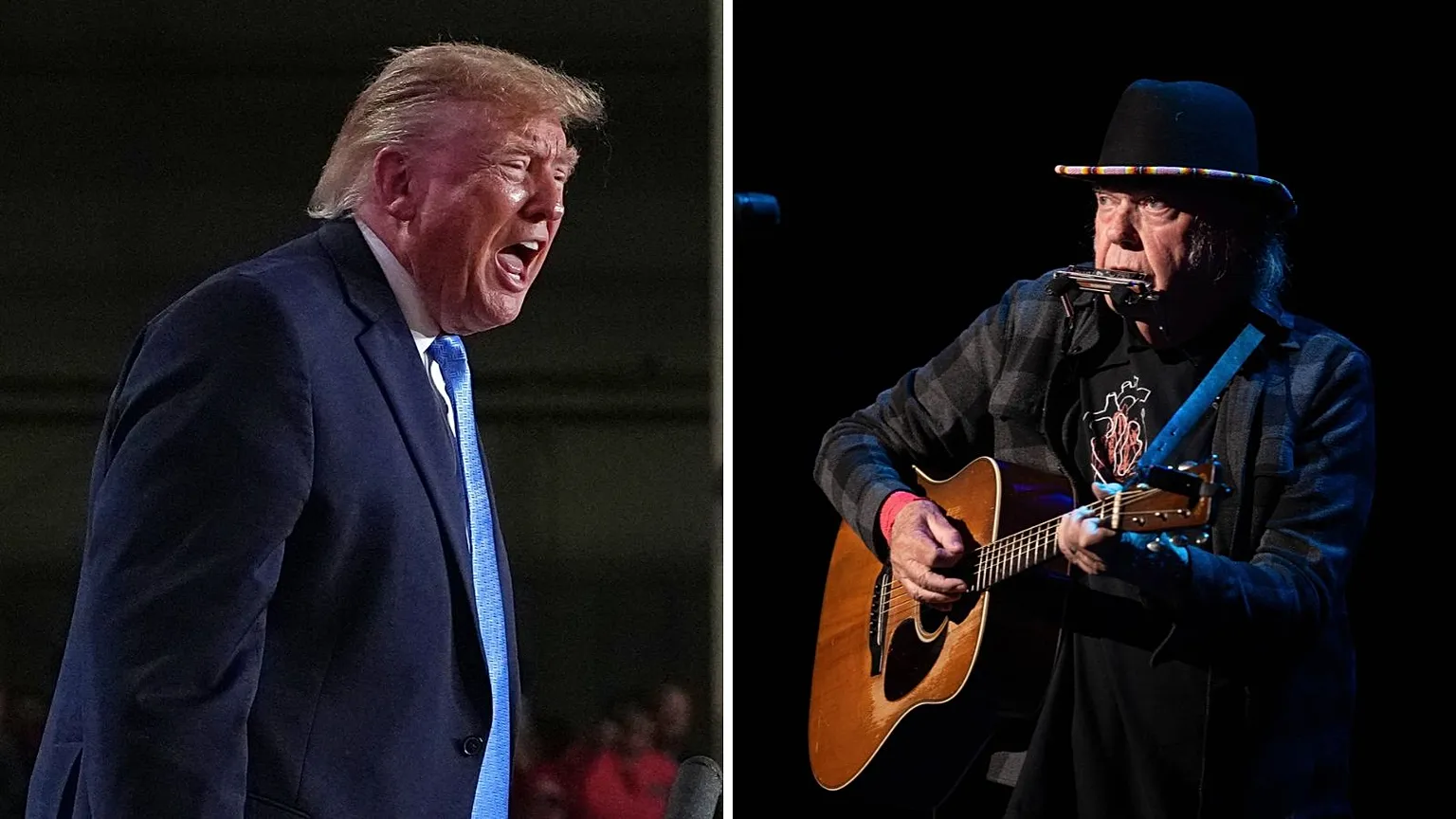
Political rallies reignite a dispute over musical ownership.
VIRGINIA, UNITED STATES.
Canadian-American musician Neil Young has filed a new $10 million copyright infringement lawsuit against a political committee associated with President Donald Trump, alleging that his 1989 song “Rockin’ in the Free World” was used at campaign rallies without authorization. The complaint, filed on October 26 in the US District Court for the Eastern District of Virginia, revives a longstanding dispute over the use of copyrighted music in American political campaigns.
The defendant, Trump 47 Committee Inc., is accused of playing the song at an October 12 rally in Youngstown, Ohio, where Trump appeared in support of Republican candidates ahead of the November 3 midterm elections. Young’s legal representatives also allege that the composition was performed at other political events organized or financed by the committee. The allegations have not been resolved by a court, and the filing does not establish that copyright infringement has occurred.
The musician is seeking $10 million in damages and a court order preventing further unauthorized performances of his work at events associated with the committee. His legal argument centers on the absence of permission and the alleged continuation of conduct that had already generated a previous legal confrontation with Trump’s presidential campaign.
In 2020, Young and his music publishing company, Silver Fiddle Music, brought a copyright infringement action against Donald J. Trump for President Inc. over the use of “Rockin’ in the Free World” and “Devil’s Sidewalk.” That dispute ended after the parties reached a settlement. According to the new complaint, the previous arrangement included a commitment not to use the disputed music without the necessary authorization.
The earlier agreement introduces a potentially important legal distinction. The organization named in the latest lawsuit is not identical to the presidential campaign entity involved in the 2020 proceedings. Consequently, the existence of a previous settlement does not automatically establish that the current defendant violated its terms. The present case will require consideration of the committee’s conduct, the relevant licensing arrangements and the legal obligations applicable to the organization.
The dispute also illustrates a recurring misunderstanding surrounding music played at political events. Purchasing a recording or making a song available through a streaming service does not ordinarily grant unrestricted permission for its public performance. Such uses may require licenses administered by performing rights organizations or obtained through other contractual arrangements.
In the United States, organizations such as the American Society of Composers, Authors and Publishers (ASCAP) and Broadcast Music Inc. (BMI) administer public performance rights for extensive catalogs of musical compositions. Political campaigns can sometimes obtain licenses covering performances at campaign events, although the scope of those permissions depends on the applicable agreements and whether particular works have been excluded.
The legal analysis is therefore more complex than determining whether an artist personally approves of a candidate. A performer’s political objections do not necessarily establish copyright infringement when a valid license exists. Conversely, the absence of an applicable license can create legal exposure regardless of whether the music was played by campaign staff, event organizers or another party acting on their behalf.
Young’s complaint specifically alleges that the Trump 47 Committee lacked authorization to use his composition. That assertion will be central to the proceedings, along with the identification of any licensing arrangements that might apply to the disputed performances. The request for damages represents the plaintiff’s claim, not a financial penalty imposed by the court.
Beyond copyright ownership, Young argues that the continued use of his music has damaged his professional reputation by creating an impression of political support that he has repeatedly rejected. The singer has been a prominent critic of Trump and has publicly objected to having his work associated with the president’s political activities.
The reputational argument introduces another dimension to the dispute, although it remains separate from the question of whether the committee possessed the necessary performance rights. An audience may associate music played at a rally with the candidate appearing onstage, but establishing the legal consequences of that association requires examining the specific claims, evidence and protections availabl