

 Phoenix 24
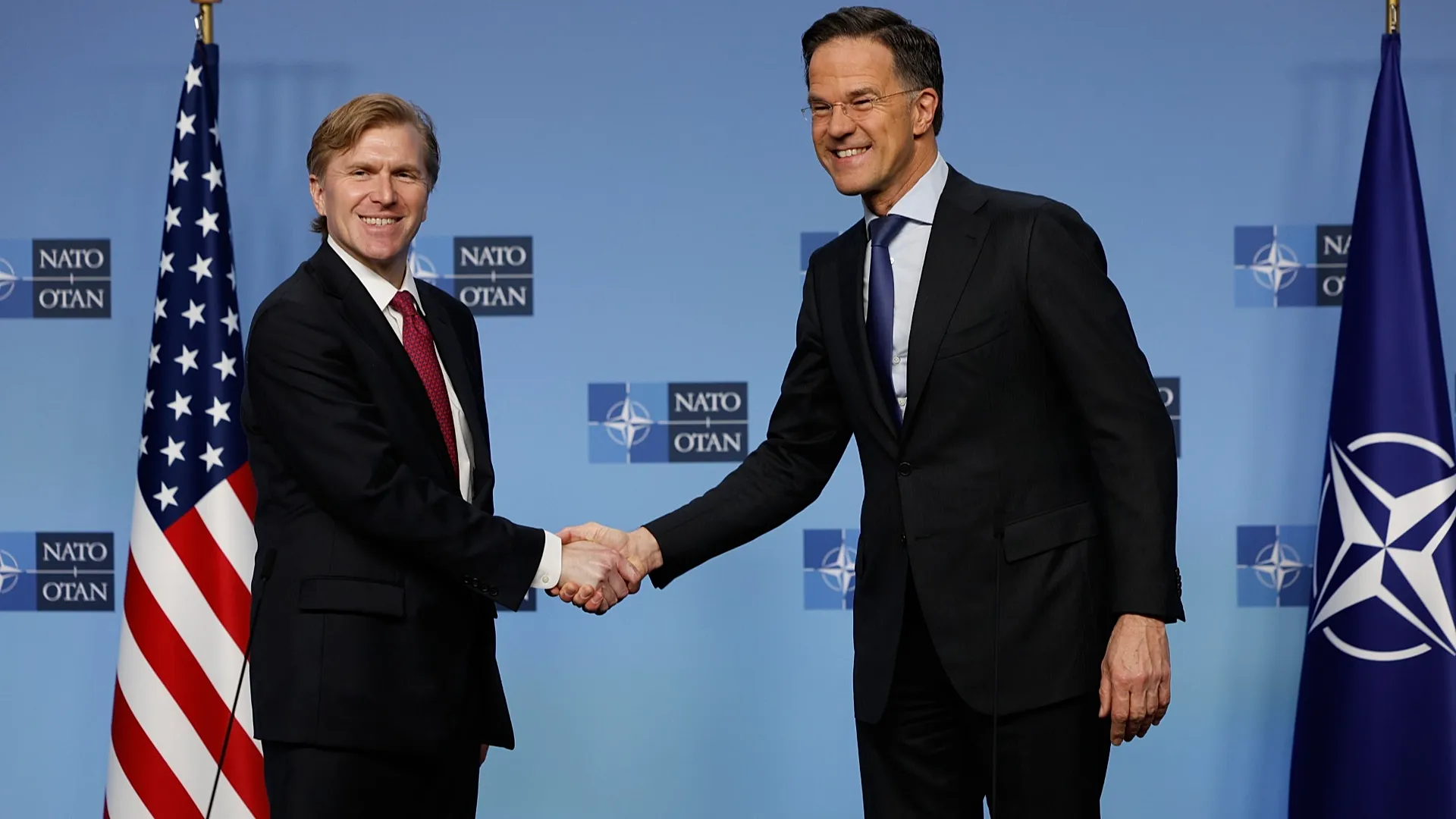
Rebalancing is the new language of unity.
Brussels, February 2026.
A familiar argument inside the Atlantic alliance is returning with sharper edges: Europe needs to carry more of the conventional weight on its own continent, while the United States focuses increasingly on strategic deterrence and high-end enablers. The label “NATO 3.0” tries to make the shift sound like modernization, but the substance is a redistribution of risk, money, and political responsibility. In today’s security environment, the alliance is not renegotiating friendship, it is renegotiating who absorbs exposure first when deterrence is tested. That is why this debate feels less like policy refinement and more like a structural pivot.
The logic behind the rebalancing begins with a blunt reality of finite capacity. Washington is signaling that the Indo-Pacific is not a distant priority, it is the pacing theater that shapes force posture, budgets, and readiness cycles. That does not mean Europe stops mattering, it means Europe can no longer assume that U.S. conventional mass will always be the default solution to every contingency. European capitals increasingly accept the direction of travel, even if they disagree on speed and sequencing. Consensus on the destination, however, does not guarantee agreement on the bill.
The operational meaning of a more European alliance is precise, and that precision is where friction accumulates. It implies Europe fielding the bulk of the formations that deter and, if required, defeat conventional aggression, including readiness, air defense, munitions depth, sustainment, and the logistics that keep forces moving under pressure. It also implies that Europe’s defense industrial base can replenish at scale rather than merely stockpile in peacetime. The United States remains essential in a narrower but decisive way, nuclear deterrence, intelligence, strategic lift, and certain advanced capabilities that integrate the alliance as a single system. This is not a retreat, but it is a different division of labor than the one many Europeans grew used to.
The political challenge is that capability is not a line item, it is a production function. Legislatures can authorize spending quickly, but trained personnel, integrated command structures, and deep inventories of precision munitions take time to build. Several European states are raising budgets while facing recruitment and retention constraints that limit deployable combat mass. Others can increase procurement but struggle with industrial throughput, slow contracting, and fragmented demand across national systems. A European pillar can exist in speeches long before it exists in brigades, batteries, and sustainment pipelines.
This debate is often reduced to spending targets, but arithmetic is not strategy. A percentage benchmark can create political pressure, yet it does not guarantee modern air and missile defense, resilient communications, or stockpiles that survive more than a short, intense campaign. Deterrence depends on the ability to mobilize, deploy, and sustain, not on what is promised on paper. The alliance’s credibility also depends on whether European and transatlantic planning align with the practical constraints of logistics, maintenance, and training cycles. When budgets rise without integration, the alliance can appear stronger while remaining operationally brittle.
There is a quieter problem underneath the budget arguments: narrative leverage. Washington can present rebalancing as a responsible adaptation while reaffirming the political guarantee of collective defense, shifting the credibility test toward Europe’s preparedness. That framing is powerful domestically in the United States and difficult to refute in Europe without sounding like an admission of dependence. European leaders, meanwhile, need to persuade electorates that rearmament is not optional, even when domestic pressures demand spending elsewhere. In that political environment, “NATO 3.0” becomes a tool for selling a hard truth: deterrence is cheaper than improvisation, but deterrence still costs.
The strategic backdrop is a dual gravity problem. Europe’s most immediate conventional danger remains in its neighborhood, which keeps attention anchored to territorial defense, the eastern flank, and the requirements of sustained readiness. At the same time, the United States views long-term competition with China as the defining challenge, shaping investments in maritime power, aerospace dominance, and long-range precision. The alliance can survive these two gravitational pulls only if the division of labor is credible and predictable. If it becomes an argument about loyalty rather than an engineering problem of capabilities and timelines, the rebalancing will arrive anyway, but in a more chaotic form.
Industrial capacity is the hinge that turns intention into deterrence. If Europe wants to carry more conventional responsibility, it must shorten procurement cycles, increase output, and standardize enough across systems to make replenishment and interoperability realistic. This is where transatlantic and intra-European politics collide, because industrial policy touches jobs, subsidies, and national champions. It also touches supply chains that are global, and therefore vulnerable to disruption, export controls, and scarcity. The alliance’s long-term posture will be shaped not only by budgets and doctrines, but by whether factories can deliver, maintain, and surge when events compress timelines.
The near-term risk is a mismatch between expectation and readiness. If leaders declare a rebalanced model while capability gaps persist, adversaries may probe the seams, not necessarily through overt invasion, but through coercion, cyber pressure, and gray-zone tactics that test political unity. A strong alliance does not need constant escalation, but it must deny the perception of hesitation. Rebalancing therefore must be communicated carefully, as reinforcement through shared responsibility, not as a signal that the center of gravity is drifting away. The difference is not rhetorical, it shapes deterrence psychology.
In the end, “NATO 3.0” is less a slogan than a forced redesign under pressure. Europe is being asked to operationalize leadership in conventional defense, and the United States is signaling it will remain indispensable but not automatic. If the alliance treats this as an implementation challenge, timelines, industrial output, readiness metrics, command integration, it can convert rebalancing into resilience. If it treats it as theater, the shift will still happen, but it will be driven by events rather than planning, and alliances rarely enjoy the outcomes of unplanned stress.
Más allá de la noticia, el patrón. / Beyond the news, the pattern.