

 Phoenix 24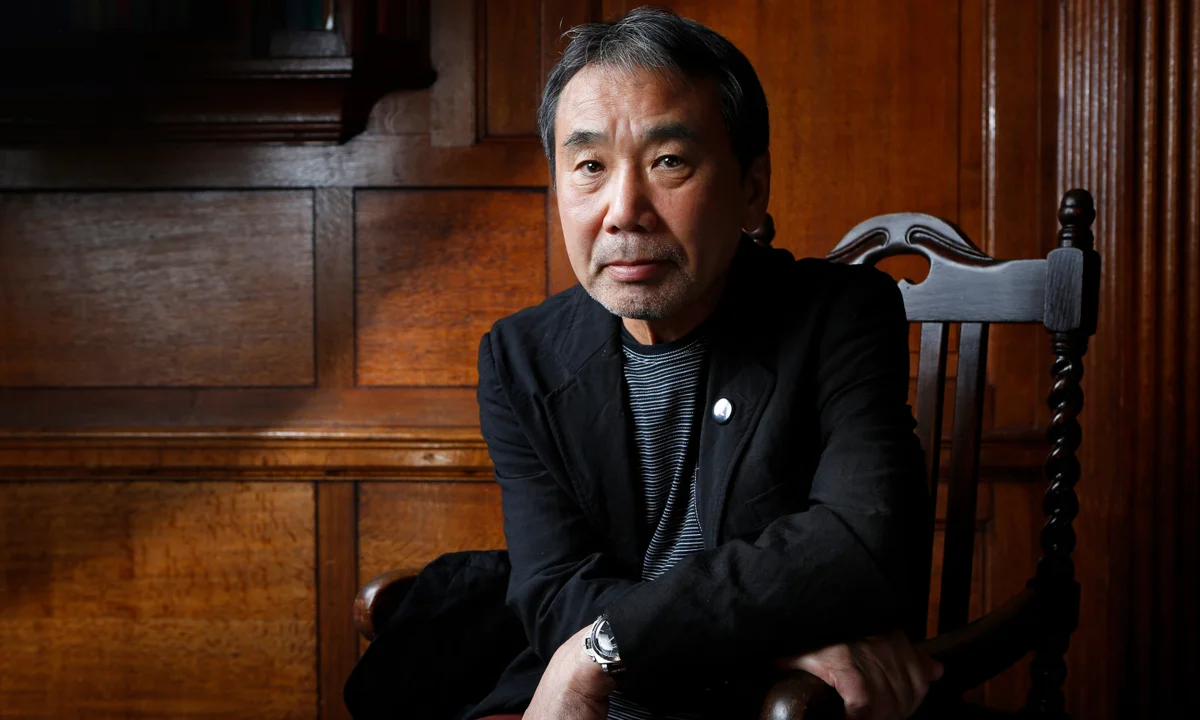
For some readers, the Nobel announcement has become an annual ritual of expectation and disappointment.
Tokyo, Japan
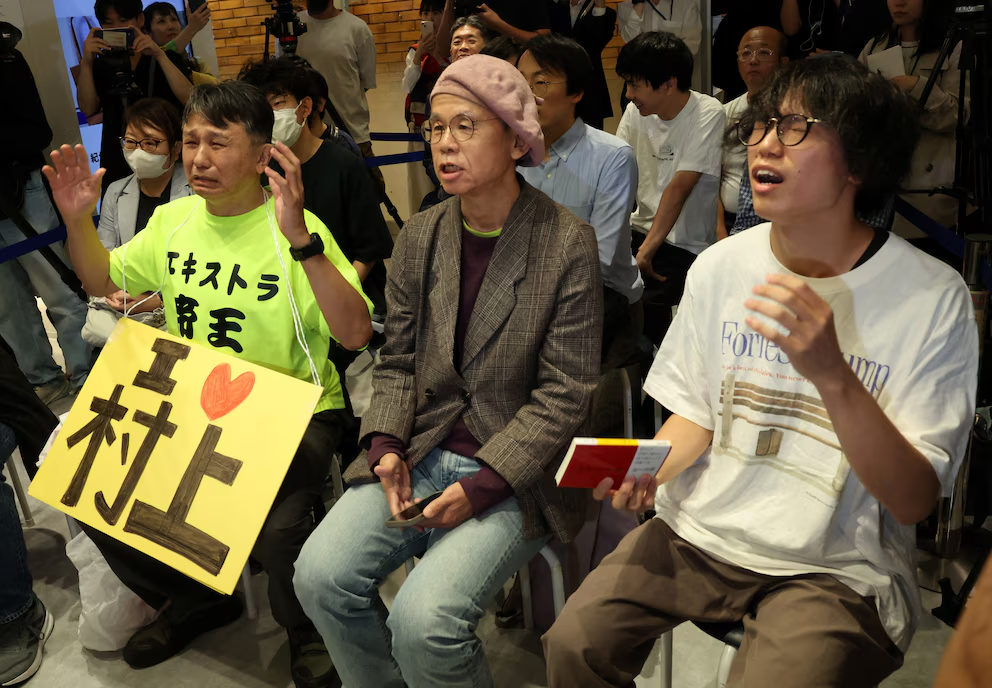
Haruki Murakami’s long wait for the Nobel Prize in Literature has produced another emotional scene in Japan. After the Swedish Academy announced Canadian writer Anne Carson as the 2026 laureate, one Murakami supporter was filmed in tears during a public gathering in Tokyo, capturing the frustration of fans who have followed the novelist’s recurring candidacy for nearly two decades.
The scene spread rapidly across social media. Supporters had gathered with signs and banners to watch the announcement live, convinced that this might finally be Murakami’s year. Instead, the name read from Stockholm was Carson’s, prompting visible disappointment inside the room. The reaction quickly became symbolic of what many Japanese readers now regard as an annual cycle: anticipation, speculation and another missed opportunity.

Murakami has been repeatedly listed among the favorites for the Nobel, although the Swedish Academy does not disclose its nominees in real time. Bookmakers, literary critics and international media have nevertheless kept his name near the center of Nobel speculation for years. His global popularity, more than 50 million books sold and extensive body of work have made him one of the most recognizable contemporary Japanese authors.
His international reputation has been built through novels such as Norwegian Wood, 1Q84, Kafka on the Shore and Sputnik Sweetheart. His fiction blends loneliness, surrealism, music, memory and dislocation in a style that has created a remarkably loyal readership across languages and cultures. That popularity, however, has not yet translated into a Nobel.
Murakami’s absence from the list of laureates is striking partly because his career already includes major international distinctions. He has received awards including the Franz Kafka Prize, the Jerusalem Prize, the Hans Christian Andersen Literature Award and the Princess of Asturias Award for Literature. The Nobel remains the most prominent prize missing from that collection.
Murakami himself has generally maintained distance from the annual speculation. He has repeatedly signaled that writing matters more to him than the public drama surrounding awards, leaving much of the emotional investment to readers, publishers and media organizations.
This year’s contrast is especially sharp because Anne Carson entered the announcement as another long-discussed candidate and ultimately received the prize for a body of work that blends poetry, classical studies, translation and experimental forms.
The tears in Tokyo therefore reflect more than disappointment over one award. They show how deeply readers can attach their own expectations and cultural pride to the recognition of a writer they consider part of their intellectual world.
Literary prizes honor writers, but sometimes they also reveal how deeply readers have already chosen their own winners.