

 Phoenix 24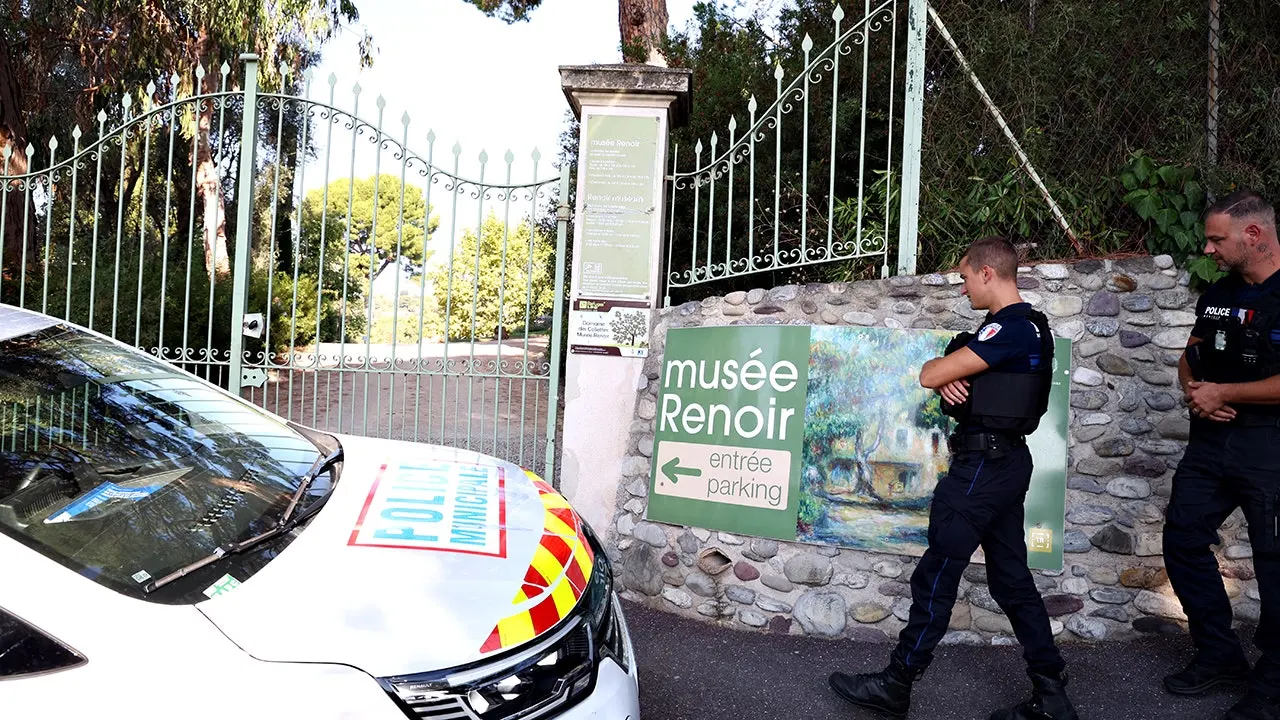
The black market for stolen art is colliding again with Europe’s cultural heritage.
Paris, France
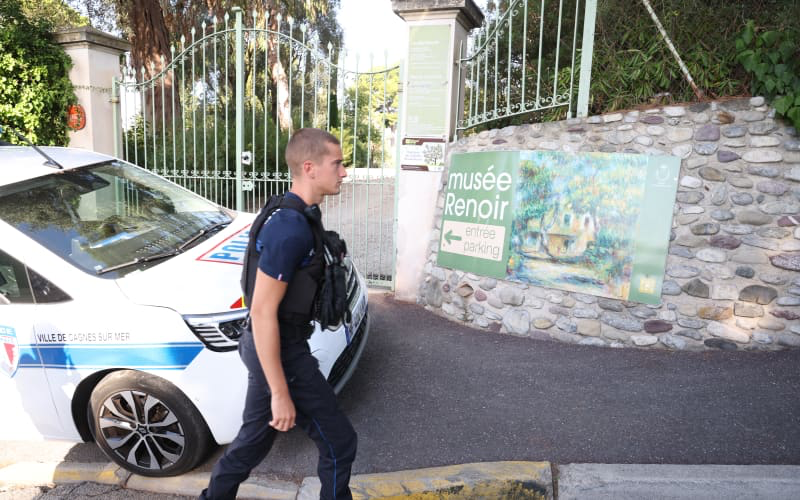
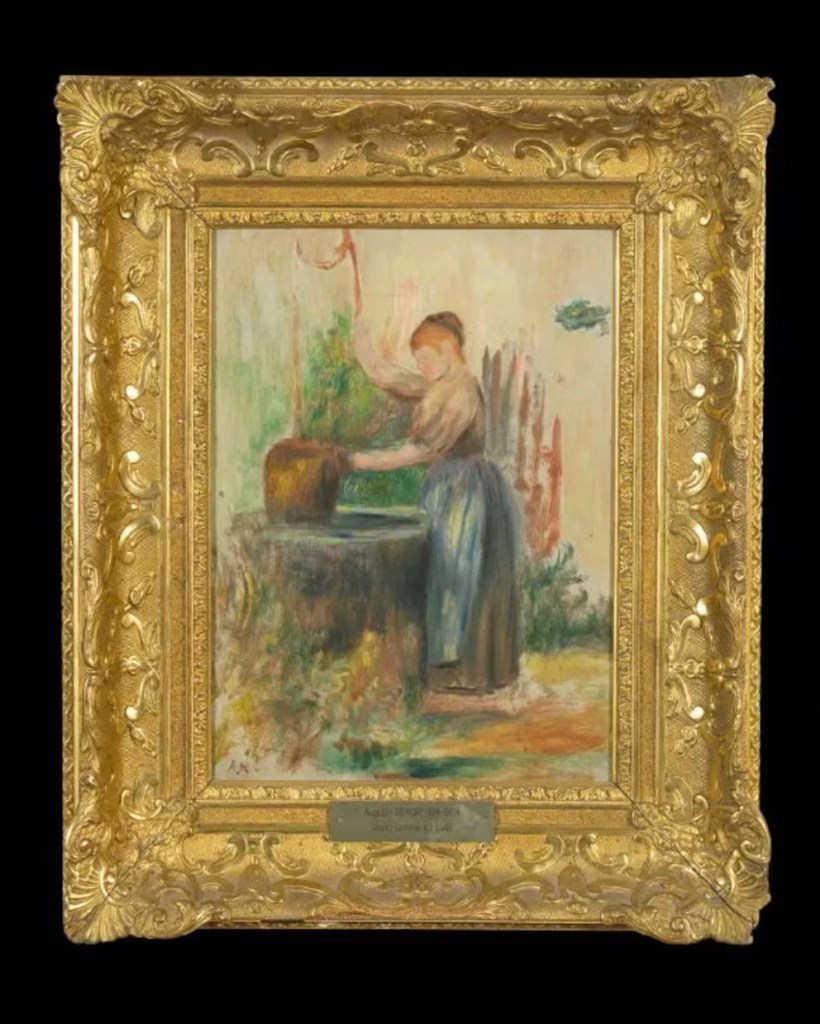
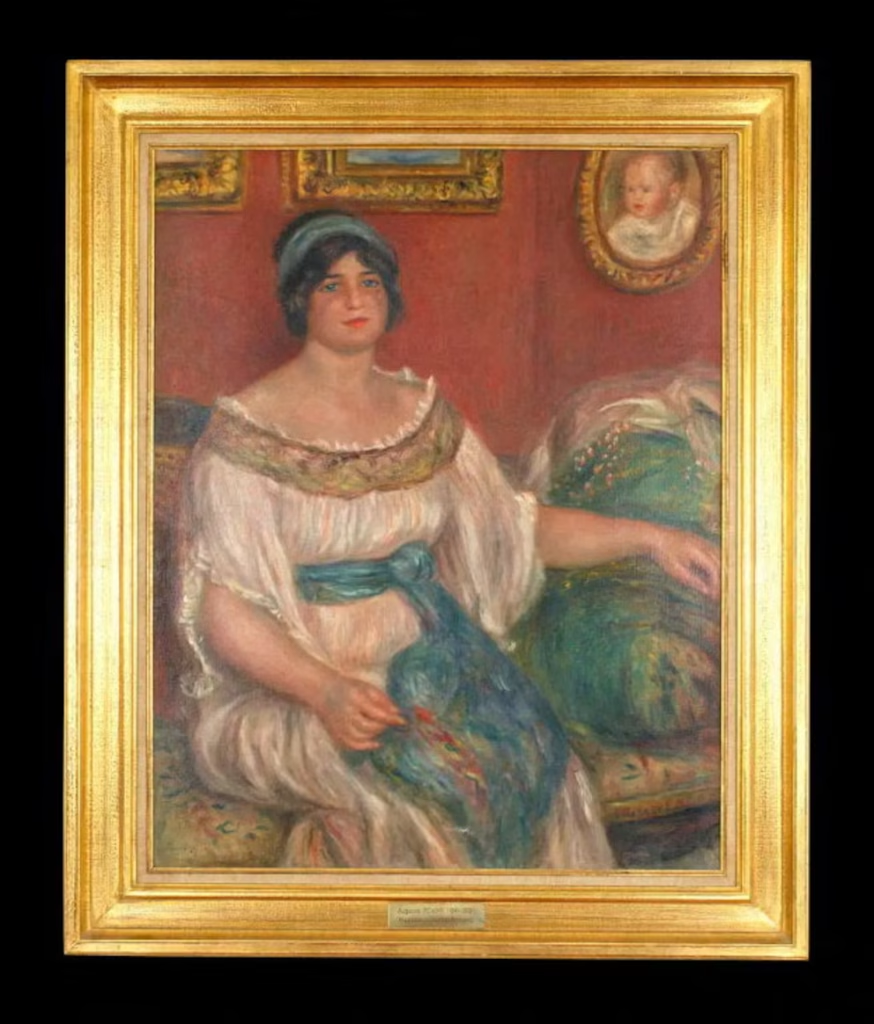
French authorities have dismantled a criminal network suspected of involvement in the theft of works by Pierre-Auguste Renoir, marking an important development in a case that has drawn attention to the vulnerability of valuable artworks held in private and institutional collections. Several suspects were detained as investigators traced the movement of the stolen pieces and the people allegedly responsible for organizing their disappearance.
The case underscores the complex structure of art crime. High-value paintings are rarely easy to sell openly, particularly when they are internationally documented and immediately recognizable. Their theft therefore depends on networks capable of hiding, transporting, storing or attempting to resell works through illicit channels. In many cases, stolen art can also be used as collateral inside other criminal transactions rather than being sold directly to conventional collectors.
Renoir remains one of the most internationally recognized figures of French Impressionism, making his works especially sensitive targets. Paintings linked to major artists carry both cultural and financial value, but that same notoriety makes them difficult to circulate once authorities issue alerts. The recovery process can consequently take years, particularly when works move across borders or enter private criminal networks.
French investigators have increasingly treated art trafficking as part of organized crime rather than as an isolated cultural offense. Specialized police units work with museums, auction houses, customs agencies and international partners to identify suspicious sales and recover objects that may have disappeared long ago. Databases of stolen cultural property have become crucial tools in preventing illicit works from re-entering the legitimate market.
The arrests also highlight the role of provenance in the art world. Buyers, galleries and auction houses are under growing pressure to verify the ownership history of valuable works before transactions are completed. Weak documentation can create opportunities for stolen objects to circulate, while stronger due diligence increases the risk for criminal groups attempting to monetize them.
The broader issue extends beyond Renoir. Europe continues to confront theft, illicit excavation, wartime displacement and trafficking involving paintings, sculptures and archaeological objects. Cultural property has become part of a global illicit economy in which historical significance and financial value frequently overlap.
Recovering stolen art is therefore not simply about returning property. It is about preserving cultural memory, disrupting criminal markets and reinforcing the principle that heritage cannot be treated as anonymous merchandise.
A stolen masterpiece is not only lost property; it is a fragment of collective memory removed from public history.