

 Phoenix 24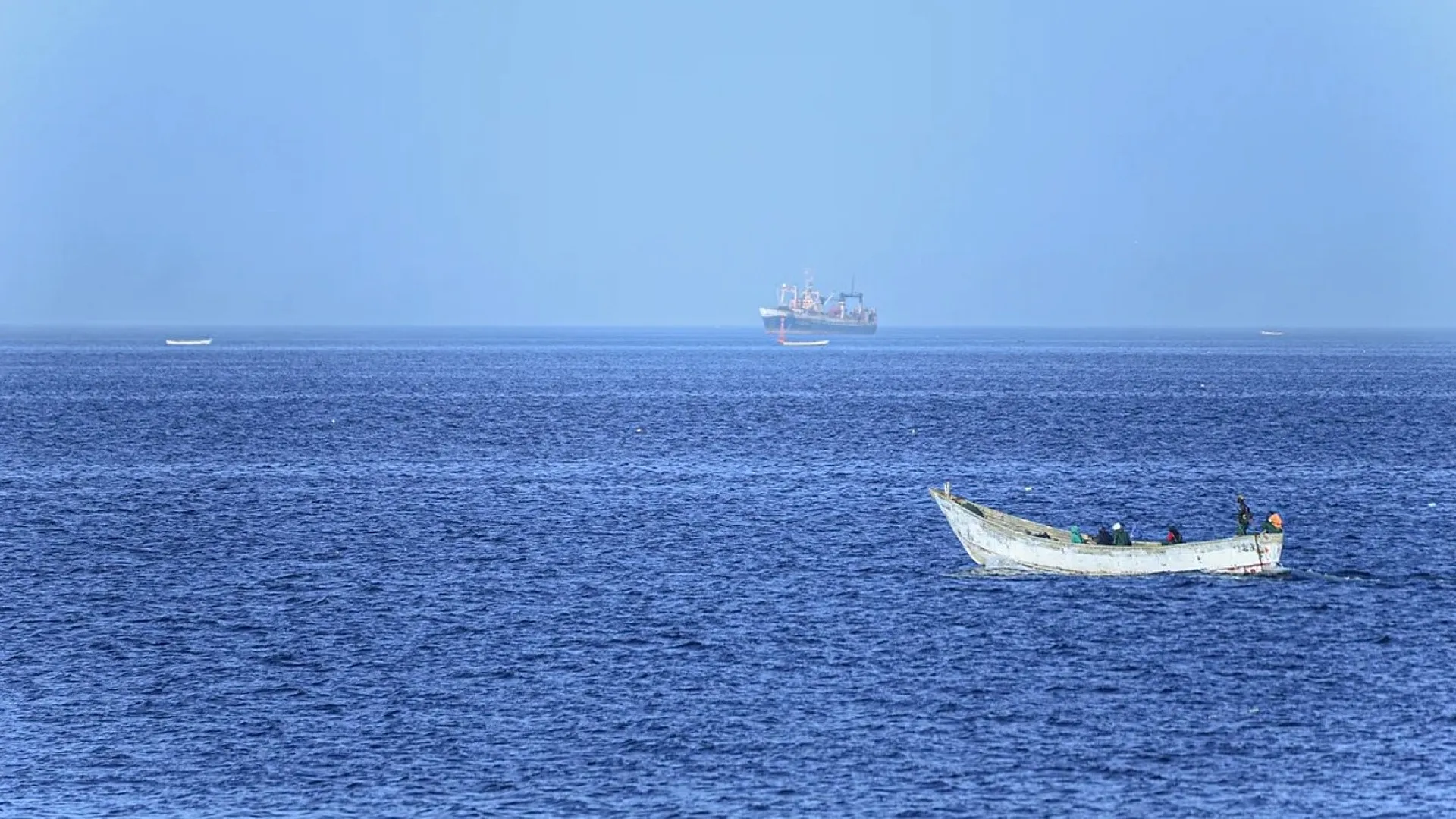
Only 44 people survived a journey that began with an estimated 128 passengers.
GRAN CANARIA, SPAIN
More than 80 migrants are feared to have died aboard a wooden boat found drifting south of Spain’s Canary Islands after nearly a month at sea. The vessel reportedly departed from The Gambia with 128 people aboard, but Spanish rescuers found only 44 survivors and five bodies when they reached it approximately 120 kilometres southwest of Gran Canaria.
Spain’s Maritime Rescue Service located the boat after receiving an alert from the migrant-rights organization Caminando Fronteras. The rescue vessel Guardamar Urania reached the cayuco shortly before midnight and transferred the survivors to safety. Three people in serious condition were evacuated by helicopter to a hospital, while the remaining survivors were taken to the port of Arguineguín for medical assistance.
The estimated death toll is based principally on survivor testimony and the reported number of passengers at departure. According to Caminando Fronteras, as many as 83 people may have died during the voyage, including women and a baby. Only five bodies remained aboard when rescuers arrived, and difficult sea conditions initially prevented their recovery. Many of the other victims were reportedly lost or placed overboard during the prolonged journey.
The survivors, primarily from West African countries, showed signs of dehydration, exhaustion and severe psychological distress. Accounts collected after the rescue indicate that the vessel experienced critical shortages of food and drinking water while drifting in the Atlantic. Some passengers reportedly resorted to drinking seawater, a desperate act that accelerates dehydration and can cause organ failure.
The tragedy again exposes the lethality of the Atlantic migration route between West Africa and the Canary Islands. Although irregular arrivals to the archipelago have declined substantially compared with the previous year, fewer departures do not necessarily mean safer crossings. Overcrowded vessels, insufficient navigation equipment, changing currents and delayed detection can transform a journey into an invisible disaster. Establishing the final death toll will require corroborating survivor accounts and identifying those originally aboard, but the confirmed rescue circumstances already reveal the immense human cost of reaching Europe through one of the world’s most dangerous maritime corridors.
Hechos que no se doblan. / Facts that do not bend.