

 Phoenix 24
The next assistant may remember everything around you.
Menlo Park | July 2026
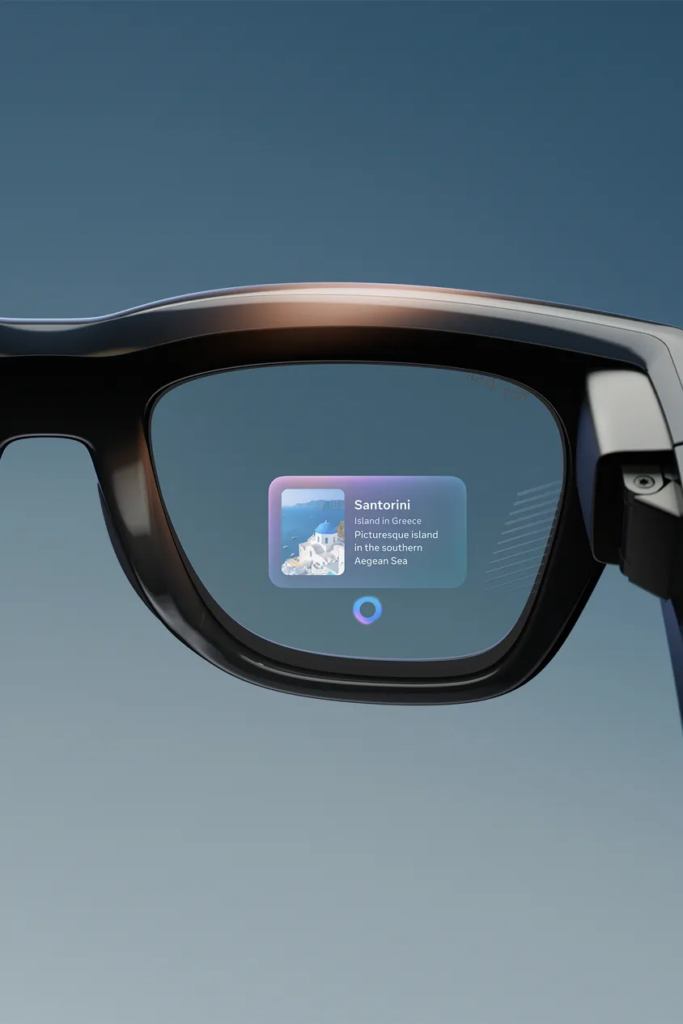
Meta is reportedly testing a prototype of artificial intelligence glasses capable of recording audio continuously and taking photographs automatically throughout the day. The internal feature, known as “super sensing,” would allow the device to observe the wearer’s surroundings without requiring a separate command for each capture. The project remains experimental, with no confirmed launch date, final design or commercial price.
The proposed system would take images every few seconds while microphones collect nearby sound. Artificial intelligence could then organize the resulting information so users could ask what they saw, heard or did earlier. The glasses would function as a persistent digital memory rather than merely as a camera activated on demand.

A person could potentially ask where an object was left, what was discussed during a meeting or which product appeared in a store. The assistant would search the visual and acoustic context collected during the day before generating an answer. This capability could reduce dependence on smartphones by placing computing directly within the user’s field of vision.
Meta already sells smart glasses equipped with cameras, microphones, speakers and artificial intelligence functions. Current models can take photographs, record video, answer questions about visible objects and support hands-free communication. The experimental system would cross a different threshold by shifting from deliberate capture to continuous environmental observation.
That distinction creates the project’s most serious privacy challenge. A person wearing the glasses may accept extensive recording, but everyone nearby would also become part of the device’s data environment. Conversations, faces, workplaces, homes and private interactions could be captured without participants understanding that collection is occurring.
Existing Meta glasses use a small indicator light to alert people when the camera is taking a photograph or recording video. Reports about the new prototype indicate that company executives have discussed not activating that light during passive super sensing operation. A continuously illuminated signal could become impractical, but eliminating it would make it harder for bystanders to know when information is being gathered.
The issue is not limited to visible photographs. Voices can reveal identity, health information, employment matters, financial details and personal relationships. When audio is collected continuously, the device may record individuals who never agreed to interact with Meta or its artificial intelligence systems.
Meta may attempt to reduce the risk by avoiding long-term storage of complete recordings. One proposed approach would extract relevant metadata or contextual information and transmit only what the AI requires to answer later questions. Yet deleting raw files does not eliminate every concern because derived information can still reveal locations, identities, routines and social connections.
Questions also remain about whether captured information could contribute to the development of future AI models. Data produced by wearable devices would be unusually valuable because it reflects real conversations, environments and human behavior. Using it for training without explicit and understandable consent would intensify regulatory and ethical scrutiny.

The technology could encounter different legal standards depending on the country. Some jurisdictions allow a participant to record a conversation, while others require consent from everyone involved. European privacy rules introduce additional obligations when devices process identifiable faces, voices, locations or biometric information.
Workplaces, hospitals, schools, courts and private homes would present especially sensitive environments. Confidential documents could appear within the camera’s field of view, while microphones might capture protected conversations. Organizations may respond by restricting camera-equipped glasses just as some already limit smartphones in secure spaces.
The device nevertheless offers potentially valuable applications. People with visual impairments could receive descriptions of their surroundings, assistance reading text or reminders about objects encountered earlier. Workers could retrieve instructions without using their hands, while travelers might access contextual translation and navigation through natural conversation.
Personal memory support could become another significant use. An AI system capable of organizing daily experiences might assist older adults or individuals managing cognitive difficulties. Such applications would require unusually strong safeguards because the people receiving the greatest benefit may also be among those most vulnerable to data misuse.
Technical limitations remain substantial. Continuous audio capture and frequent photography consume battery power, generate heat and require considerable processing capacity. Meta would need to balance all-day operation with lightweight frames, acceptable comfort and enough computing power to interpret information reliably.

Artificial intelligence could also reconstruct events incorrectly. A system might confuse locations, combine separate conversations or generate a confident answer unsupported by the captured material. When the device becomes a personal memory assistant, an inaccurate response could alter decisions or create false certainty about what actually occurred.
Security represents another unresolved risk. A compromised wearable could expose not only the owner’s information, but also data about everyone encountered during the day. The consequences would extend beyond stolen photographs because the system could reveal routines, relationships and patterns of movement.
Meta’s prototype reflects a wider shift in consumer technology. Artificial intelligence companies increasingly want devices to understand context continuously instead of waiting for users to type commands. Glasses, pendants, earbuds and other wearables are becoming possible gateways to assistants that observe the physical world directly.
The commercial opportunity is considerable because the company that controls a person’s daily context could become the primary interface for communication, navigation, shopping and memory. Yet usefulness cannot replace consent. A device designed to remember everything for its owner must also respect the right of everyone else not to be recorded.
The future of these glasses will therefore depend on more than technical performance. Meta will need visible recording signals, transparent controls, limited data retention and credible guarantees regarding AI training. Without those protections, super sensing may be interpreted not as personal intelligence, but as normalized surveillance hidden inside an ordinary accessory.
Cada silencio habla. / Every silence speaks.