

 Phoenix 24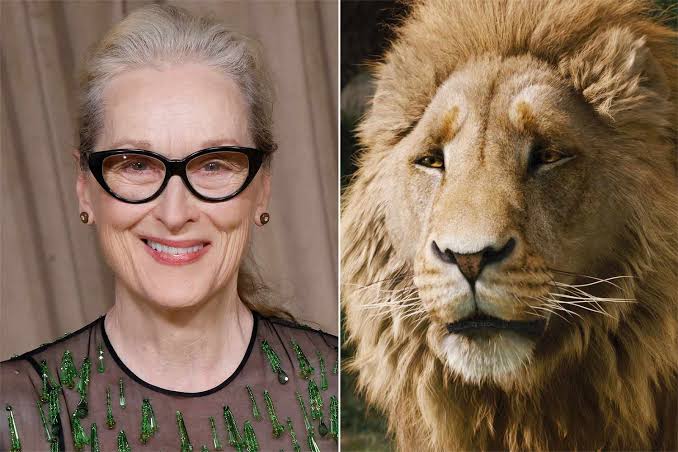
A legendary character becomes the center of a new cultural dispute.
London, United Kingdom.
Meryl Streep will voice Aslan in Greta Gerwig’s forthcoming adaptation of The Chronicles of Narnia, a casting decision that has generated debate among fans of C. S. Lewis’s fantasy novels. The announcement confirms a significant departure from previous screen portrayals of the iconic lion, whose voice was provided by Liam Neeson in the film trilogy released between 2005 and 2010. While some viewers question the decision, others have expressed curiosity about Gerwig’s interpretation and Streep’s approach to the character.
The new film, Narnia: The Magician’s Nephew, explores the creation of the fictional world and the origins of several elements central to Lewis’s literary universe. Published in 1955, the novel was the sixth book released in the series but occupies the first position in its internal chronology. Gerwig, whose previous films include Little Women and Barbie, is writing and directing the adaptation for Netflix.
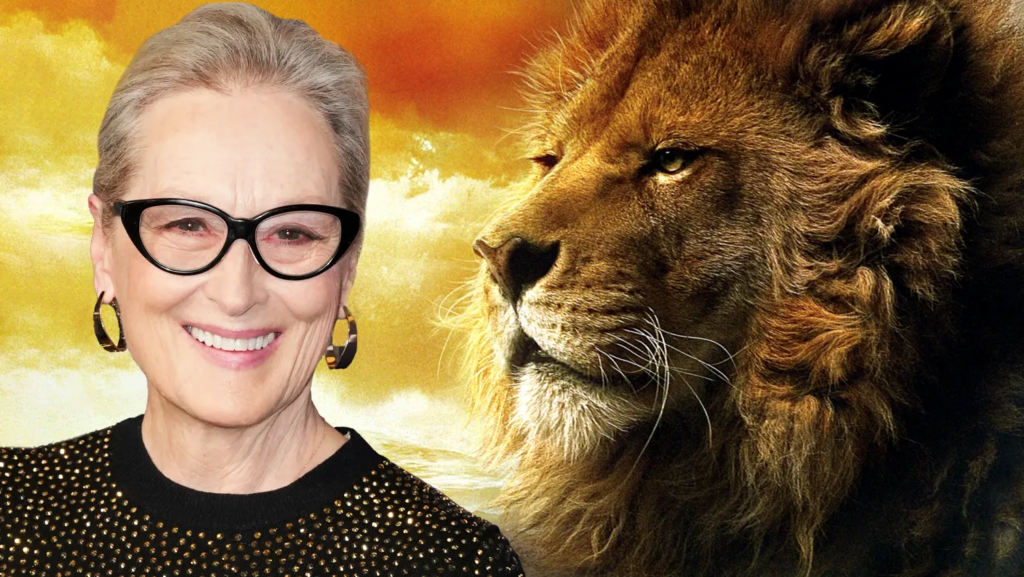
The controversy centers on Aslan’s significance within the original novels. Lewis presents the character as a male lion with an explicit connection to Christian theology, making him considerably more than a conventional fantasy creature. Some readers argue that casting a woman to provide his voice changes an important element of that characterization. Others distinguish an actor’s identity from the identity of the fictional character and consider the performance itself the relevant artistic question.
In an interview with Empire, Gerwig explained that she wanted a performer capable of combining experience, emotional depth, authority and a sense of wonder. She specifically sought someone older than 70 who could communicate wisdom without sacrificing playfulness or joy. Streep, a three-time Academy Award winner, met those requirements in the director’s assessment.
Gerwig has also revealed an unexpected visual influence: David Bowie. Elements of the musician’s appearance and artistic identity have informed the film’s interpretation of Aslan, contributing to an aesthetic that draws on music and theatrical expression. This creative direction suggests a broader reimagining of Narnia’s visual language, although the finished performance has yet to be seen.
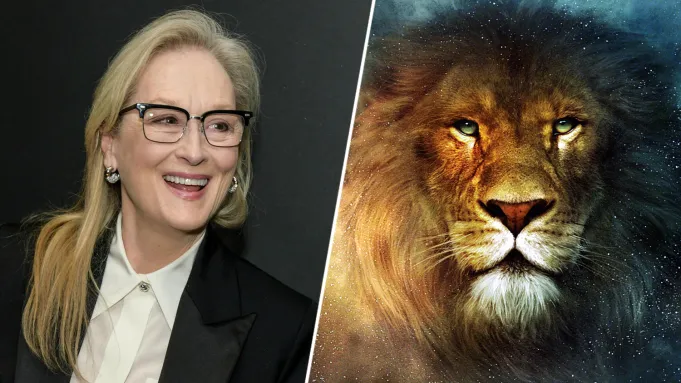
Online reactions demonstrate the diversity of expectations surrounding adaptations of established literary works. Some commentators have criticized the casting on religious and artistic grounds, while others welcome the possibility of hearing Streep interpret the character. The choice of voice actor does not, by itself, establish whether the film will alter Aslan’s gender or the theological meaning associated with him.
The production is scheduled for a theatrical release on February 12, 2027, followed by its Netflix debut on April 2. Its reception will provide a clearer basis for evaluating how Gerwig balances literary fidelity with her creative interpretation.
The debate illustrates a recurring challenge in adapting influential cultural works: audiences bring established interpretations, while filmmakers introduce choices that may change how familiar characters are experienced.
The central question is how those creative decisions will function within the completed film, rather than what can be concluded from casting alone.
La narrativa también es poder. / Narrative is power too.