

 Phoenix 24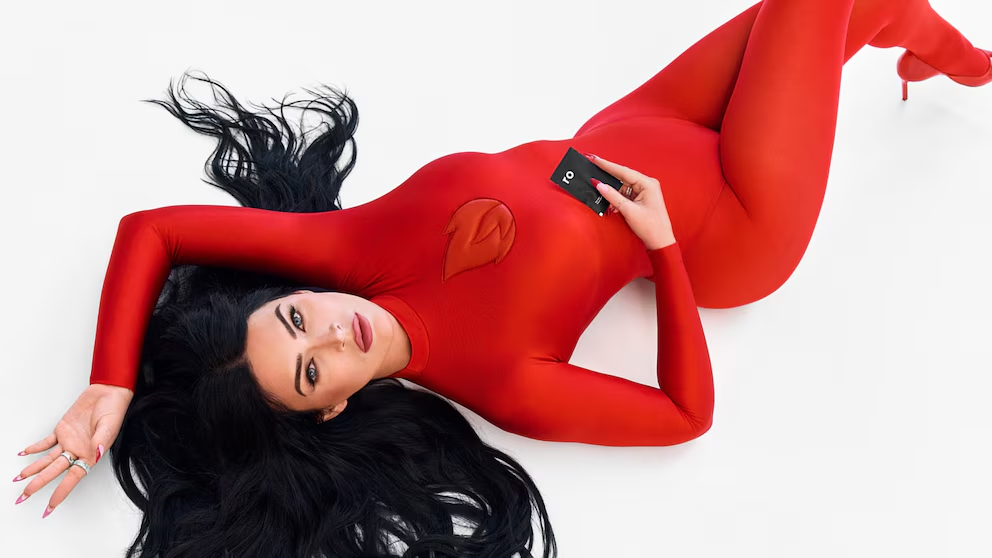
Hollywood’s digital economy is shifting from visibility to ownership.
LOS ANGELES, UNITED STATES.
American actress Megan Fox has become a co-owner of Subs.com, a direct-to-fan subscription platform, while launching her own exclusive content page on October 9, 2026. The partnership places Fox in two roles: a celebrity offering paid access to selected material and an investor participating in the business that distributes it. Developed with entrepreneur Tim Stokely, who previously co-founded OnlyFans, the venture reflects a broader shift in how entertainers seek to manage their audiences, creative output and commercial identities. Its significance extends beyond provocative marketing imagery to the increasingly important question of who controls the infrastructure connecting celebrities with their followers.
Fox introduced the venture through promotional photographs and videos shared on social media, directing followers toward a dedicated subscription page. According to the company’s announcement, the service is intended to provide access to material selected by the actress herself, outside her conventional public social media accounts. Entertainment reports have described early demand as substantial, with users encountering temporary website disruptions following the launch. Those reports indicate considerable initial attention but do not establish long-term subscriber retention or financial performance.
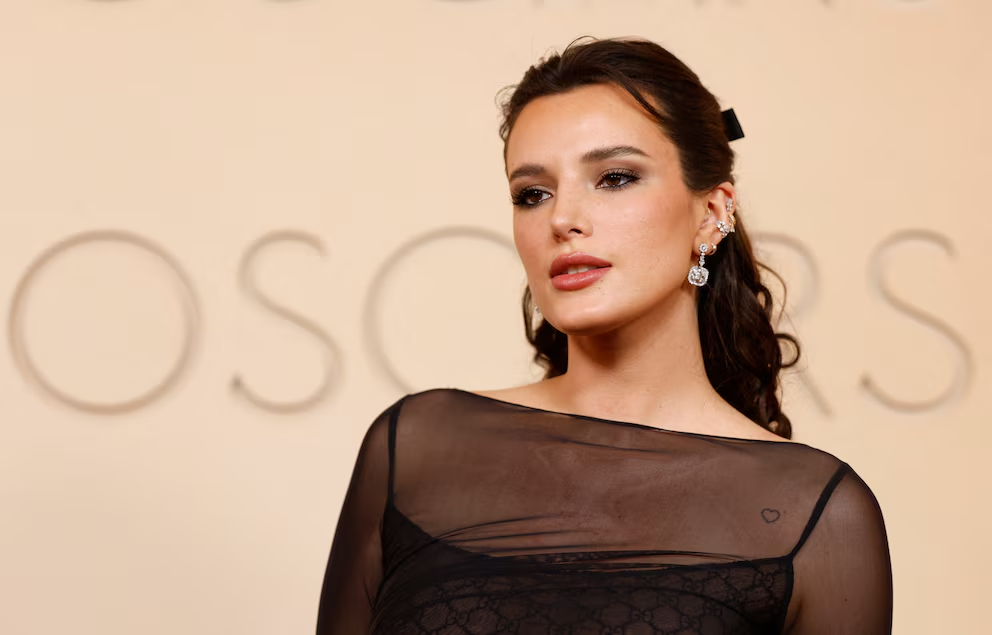
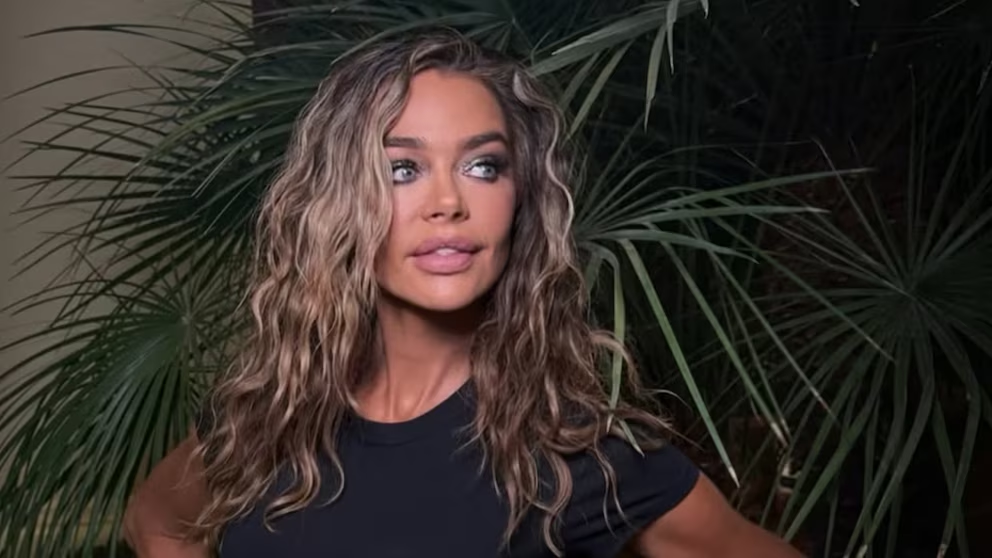
The business model builds on an approach already explored by other public figures. Actress Bella Thorne drew widespread attention to OnlyFans in 2020, while Cardi B used subscription-based access to share entertainment-related material and communicate with fans. Carmen Electra and Denise Richards subsequently entered the market with their own paid-content offerings. Although these ventures differ in content and commercial positioning, they demonstrate how celebrity influence can be converted into recurring digital relationships rather than depending exclusively on advertising and traditional media contracts.
Fox’s ownership position introduces a distinction that deserves particular attention. Subscription creators ordinarily depend on a platform’s policies, payment arrangements and access to audience data, even when they retain creative control over their publications. An equity stake potentially gives a participating celebrity an additional financial interest in the platform’s development, although ownership does not automatically establish control over its operations. The specific value, voting rights and financial terms of Fox’s participation have not been publicly detailed in the company announcement.
The expansion of celebrity subscription businesses also raises questions about privacy, content moderation and economic sustainability. Platforms handling exclusive material must manage unauthorized redistribution, account security, payment systems and the protection of personal information. At the same time, the initial popularity of a famous participant offers no guarantee that customers will maintain recurring subscriptions. Long-term success depends on whether exclusive access delivers sufficient value beyond what audiences already receive through free social networks.

For Hollywood, the development reflects a continuing renegotiation of commercial power between performers and digital intermediaries. Fox’s decision illustrates how celebrity status can support not only content sales but also participation in the companies organizing those transactions. Whether Subs.com can build a durable business remains uncertain, particularly in a competitive market where publicity and profitability are not interchangeable. What is already visible is an emerging strategy in which personal branding, digital distribution and corporate ownership increasingly converge.
Beyond the News, the Pattern.