

 Phoenix 24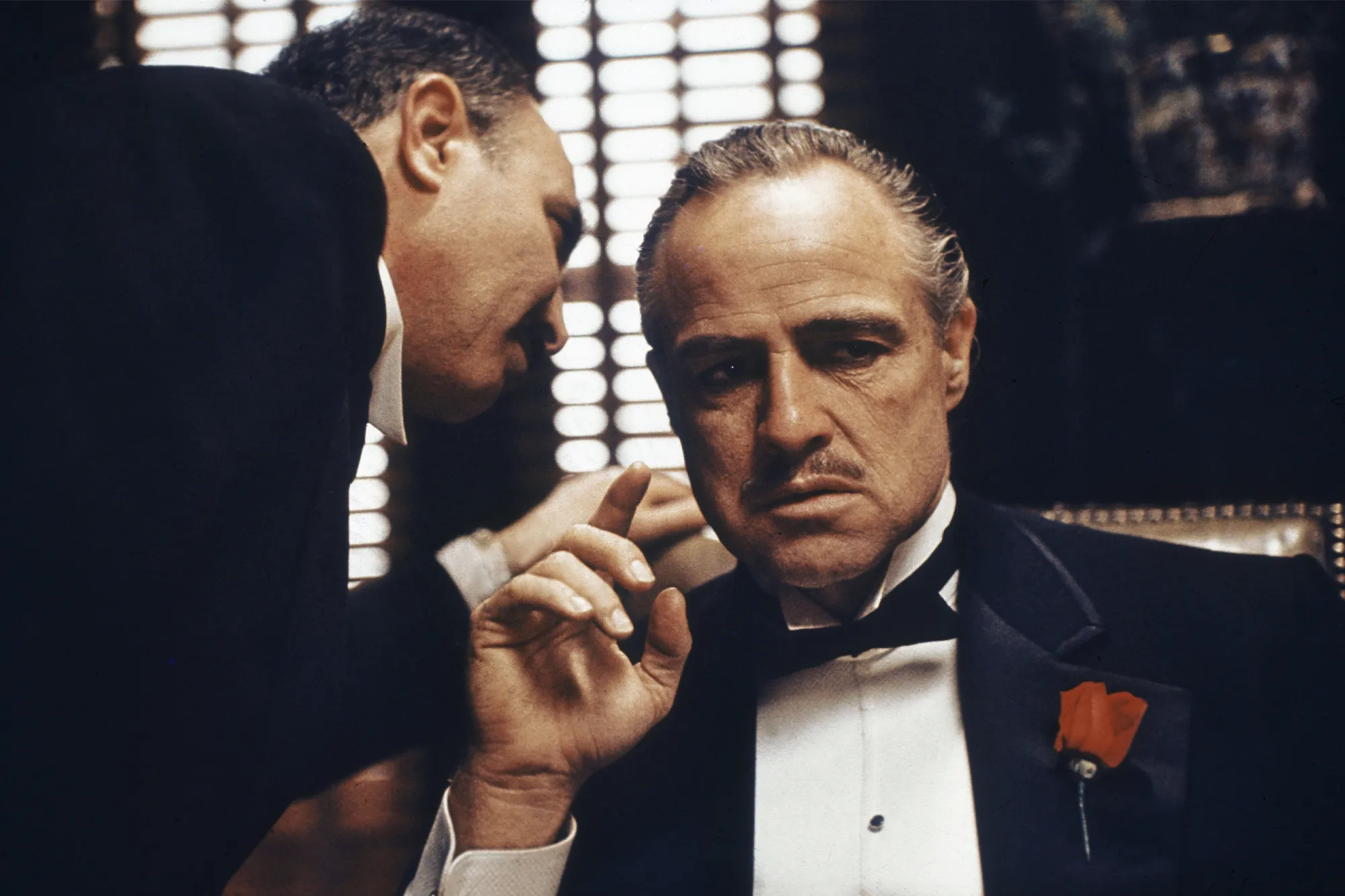
The Godfather was also negotiated offscreen.
New York, May 2026. Marlon Brando’s salary for The Godfather remains one of the most revealing stories behind the making of Francis Ford Coppola’s landmark film. By the early 1970s, Brando was still a legendary actor, but his box-office reputation had weakened, making his casting as Vito Corleone a creative risk and an industrial gamble.
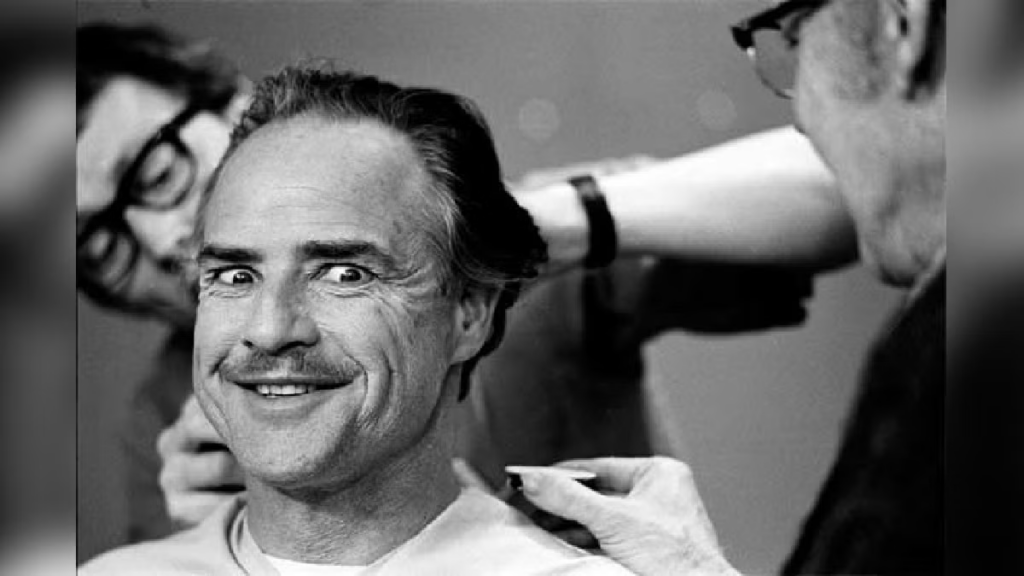
Paramount initially resisted the idea of placing Brando at the center of the film. The studio feared delays, commercial uncertainty and the actor’s reputation for difficult productions. Coppola, however, understood that the role required more than a performer; it needed a physical and symbolic presence capable of turning a mafia patriarch into an American archetype.
Brando accepted conditions that reflected both humility and calculation. His upfront payment was far lower than what his stature might have suggested, but the agreement reportedly included participation tied to the film’s success. That structure transformed the negotiation into a wager: if The Godfather failed, Brando would remain trapped in decline; if it succeeded, his comeback would become financially and artistically monumental.
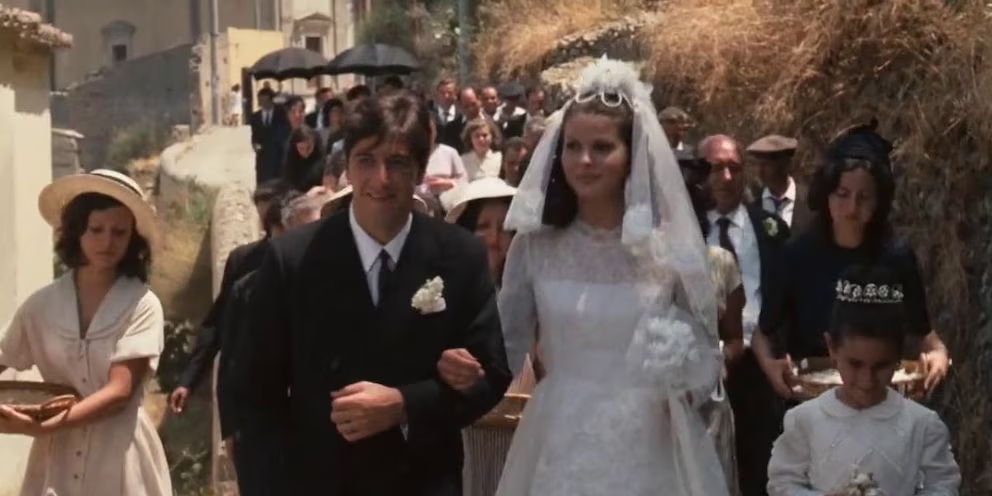
The decision changed the mythology of Hollywood contracts. Brando’s performance did not simply revive his career; it demonstrated how an actor with damaged industry standing could recover power through the right role, the right director and the right cultural moment. His Vito Corleone became less a character than a grammar of authority, silence and controlled menace.
The story also exposes the hidden economy behind cinematic legend. Audiences remember the voice, the gestures and the unforgettable presence of Don Corleone, but behind that performance existed a negotiation shaped by risk, distrust and strategic timing. Hollywood mythology often begins with art, but it survives through contracts.
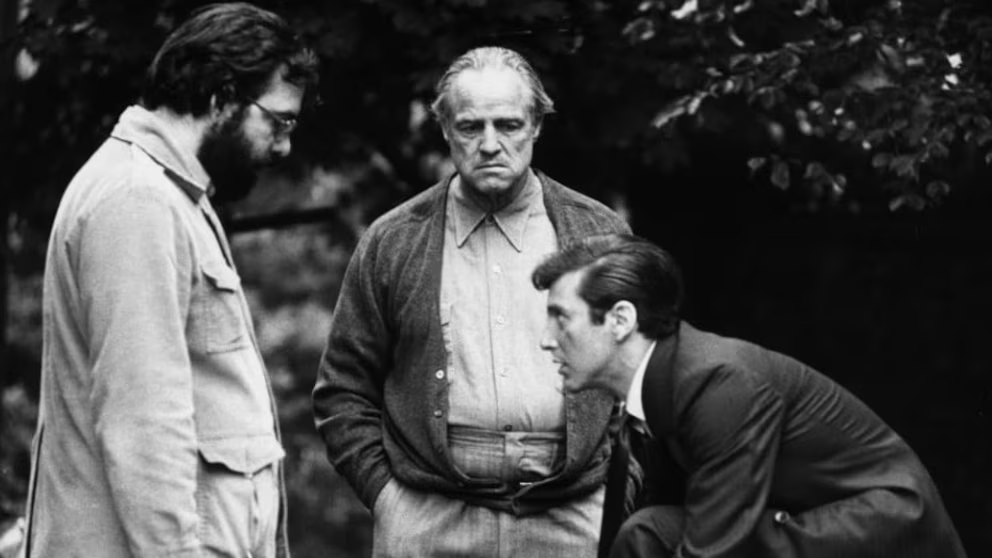
The Godfather turned Brando back into an institution. His salary became part of the legend because it revealed something deeper about fame: power is not always measured by what an artist demands before the work begins, but by what the work makes possible afterward.
Narrative is power too. / La narrativa también es poder.