

 Phoenix 24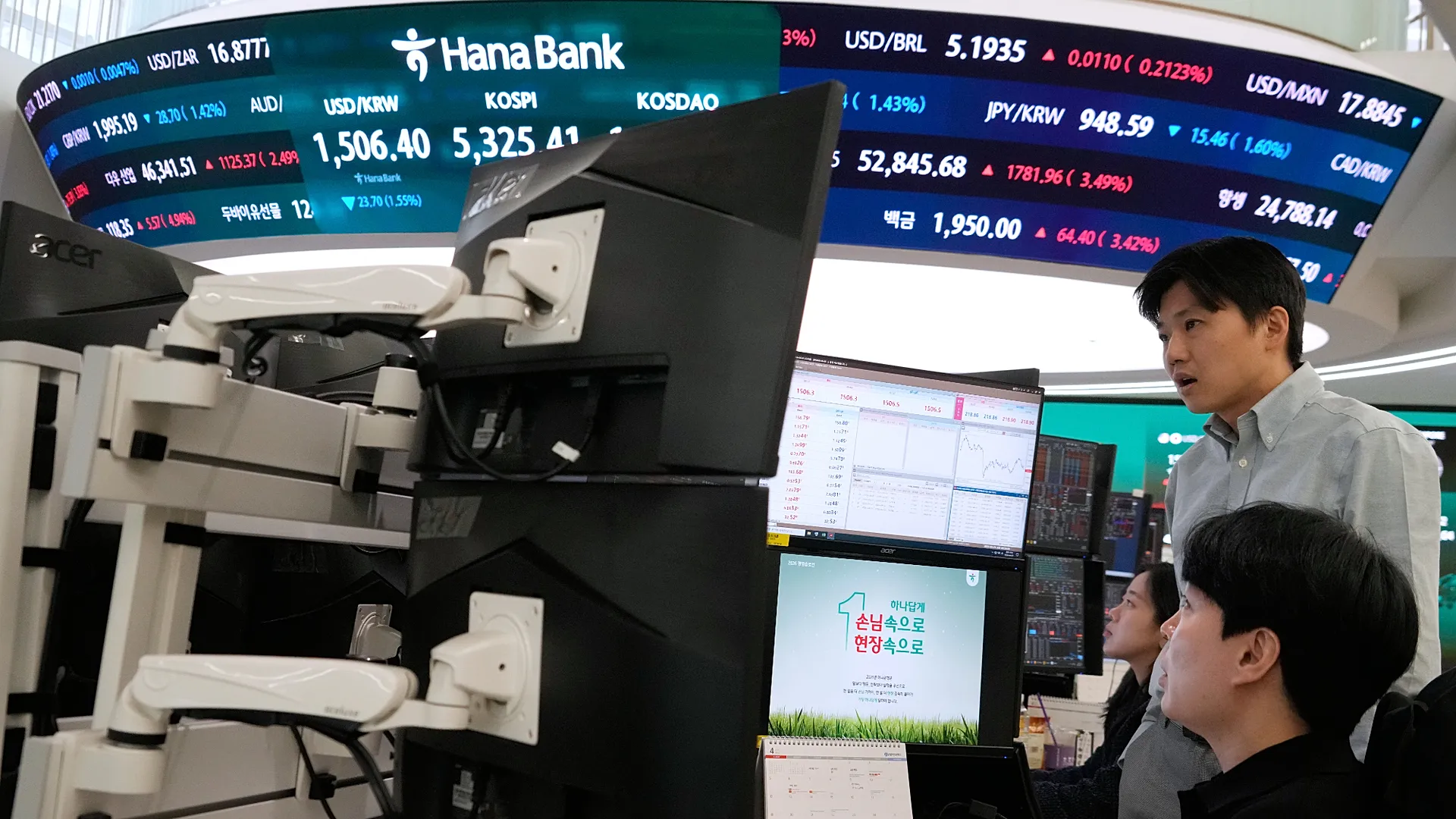
Relief trades faster than peace arrives.
New York, April 2026
Global markets moved sharply higher while oil retreated after Donald Trump revived expectations that the war linked to Iran could wind down sooner than feared. The reaction was immediate because investors were not responding to a signed settlement, but to the possibility that escalation might stop widening. European equities advanced strongly, Wall Street extended its rebound, and crude pulled back from recent highs as traders began to price in a lower probability of prolonged energy disruption. What the markets rewarded was not resolution, but the temporary return of imaginable restraint.
That distinction matters because recent price action had been driven less by fundamentals than by geopolitical panic. Oil had surged on fears that the Strait of Hormuz could remain heavily disrupted and that a broader conflict would push inflation, transport costs, and industrial pressure much higher. Equities, by contrast, had been trading under the shadow of those same risks, especially in sectors vulnerable to energy shocks and deteriorating consumer sentiment. Once Trump suggested that the conflict might be nearing an endpoint, even without a fully credible diplomatic framework in place, investors rushed toward relief.
The decline in oil helped explain the breadth of the rally. When crude eases, markets quickly begin to recalculate inflation expectations, central bank pressure, and margin stress across transport, manufacturing, and consumer sectors. Airlines and rate sensitive equities benefited from that shift, while energy names lost part of the advantage they had enjoyed during the war premium. In that sense, the session revealed a familiar market instinct. Investors were less interested in asking whether peace had truly arrived than in repositioning before others did.
Yet this kind of rally carries its own warning. Markets are often eager to reward de escalation headlines long before the underlying political architecture becomes stable. The current optimism depends heavily on Trump’s signaling and on the assumption that both Washington and Tehran may prefer to avoid a deeper confrontation. But assumptions of that kind can reverse quickly in a region where military action, cyber disruption, proxy escalation, and maritime pressure often outrun official messaging. Relief is real, but it remains fragile.
This is why the fall in oil should not be mistaken for the disappearance of strategic risk. Crude may have slipped from panic territory, yet it remains elevated enough to remind traders that supply fears have not vanished. The Strait of Hormuz still hangs over the market as a choke point with global consequences, and any renewed disruption there would quickly revive the inflationary logic that had only just begun to soften. The current move, then, looks less like normalization and more like a temporary repricing of danger.
There is also a political reading beneath the market reaction. Trump’s words continue to function as a direct force in pricing war, peace, and energy risk, which says as much about the fragility of the present order as it does about his personal influence. In a more stable strategic environment, one statement would not be enough to swing global equities and crude so sharply. The fact that it does shows how little confidence markets have in durable institutional management of the conflict. They are trading headlines because the structure beneath the headlines still feels unstable.
The broader pattern is now familiar across this phase of the crisis. Oil rises when war looks open ended. Stocks recover when war looks containable. Neither move says much on its own about the true balance of power. What it does reveal is that investors are trapped between geopolitical fear and policy improvisation, trying to price a conflict whose boundaries remain unclear and whose economic consequences can shift in hours. The result is a market environment where narrative has become almost as important as supply.
For now, the message from investors is plain enough. They want to believe that the conflict will stop short of becoming a systemic energy shock, and they are willing to pay for that belief the moment it becomes politically available. But belief is not settlement, and a relief rally is not a peace agreement. If the war narrative darkens again, the same markets that welcomed Trump’s signal could quickly return to pricing scarcity, volatility, and strategic distrust. In the current atmosphere, optimism travels fast because it knows it may not last.
Más allá de la noticia, el patrón. / Beyond the news, the pattern.