

 Phoenix 24
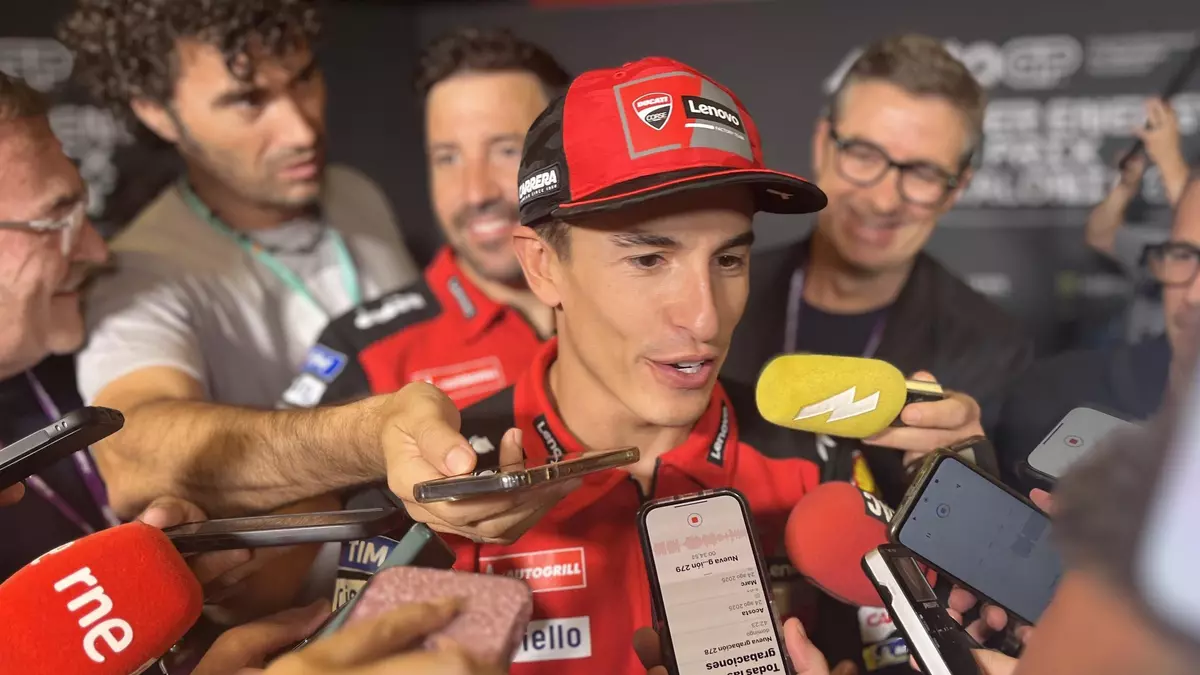
Greatness in sport is rarely confined to results; it resides in the symbolic weight of those who transcend their discipline.
Madrid, September 2025
Pedro Acosta, one of the brightest rising stars of MotoGP, has situated Marc Márquez in a league reserved for only the most iconic athletes in history. In recent remarks, the Spanish rider drew parallels between Márquez and names that define modern sporting mythology: Michael Jordan in basketball, Pau Gasol as an ambassador of Spanish talent in the NBA, Rafael Nadal as the embodiment of resilience in tennis, and Fernando Alonso as a pioneer in Formula One.
For Acosta, Márquez represents more than a champion with eight world titles. He symbolizes a cultural phenomenon within motorsport, comparable to athletes who not only dominated their fields but also reshaped how audiences worldwide perceive excellence. The comparison reflects a generational recognition: Márquez is no longer measured solely against rivals on the track but against enduring legends across disciplines.
The statement has resonated within the broader sporting community. Analysts in Europe note that, much like Nadal, Márquez built a reputation on mental toughness, resilience through injury, and an ability to turn setbacks into narratives of return. In North America, commentators highlight that the parallel with Jordan reflects more than competitive success: it underlines charisma, risk-taking, and a unique sense of spectacle that made fans invest emotionally in every performance. In Asia, where Formula One enjoys a massive following, the connection to Alonso carries a special resonance, suggesting that Spain’s sporting exports remain symbols of innovation and daring.
By placing Márquez in this pantheon, Acosta has effectively reframed the conversation about MotoGP’s cultural footprint. Traditionally seen as a sport of speed, engineering, and tactical precision, it now gains an aura of symbolic transcendence. Márquez, like Jordan, Nadal, or Alonso, is recognized not just as a professional competitor but as a figure who changes the language of aspiration.
Still, the comparison carries weight beyond admiration. Critics remind that sustaining such status requires constant reinvention, something Jordan embodied in his comebacks, Nadal in his endurance against injury, and Alonso in his persistence across racing categories. For Márquez, the challenge remains not only to perform but to adapt, as younger talents like Acosta himself begin to reshape MotoGP’s balance of power.
Looking ahead, three scenarios emerge. In the continuity path, Márquez cements his legacy further through podiums and titles, securing his place alongside the global legends with whom he is now compared. In the disruption path, injury or generational change could accelerate his transition into a symbolic figure rather than an active contender. And in the bifurcation path, Márquez might channel his influence into team leadership, technology development, or even broader ambassadorial roles, reinforcing his stature beyond the track.
What remains clear is that Acosta’s words reflect a truth often overlooked: legends are not declared by statistics alone, but by how their peers, successors, and audiences choose to remember them. Márquez, placed in conversation with Jordan, Gasol, Nadal, and Alonso, has already crossed that threshold.
Every silence speaks.
Cada silencio habla.