

 Phoenix 24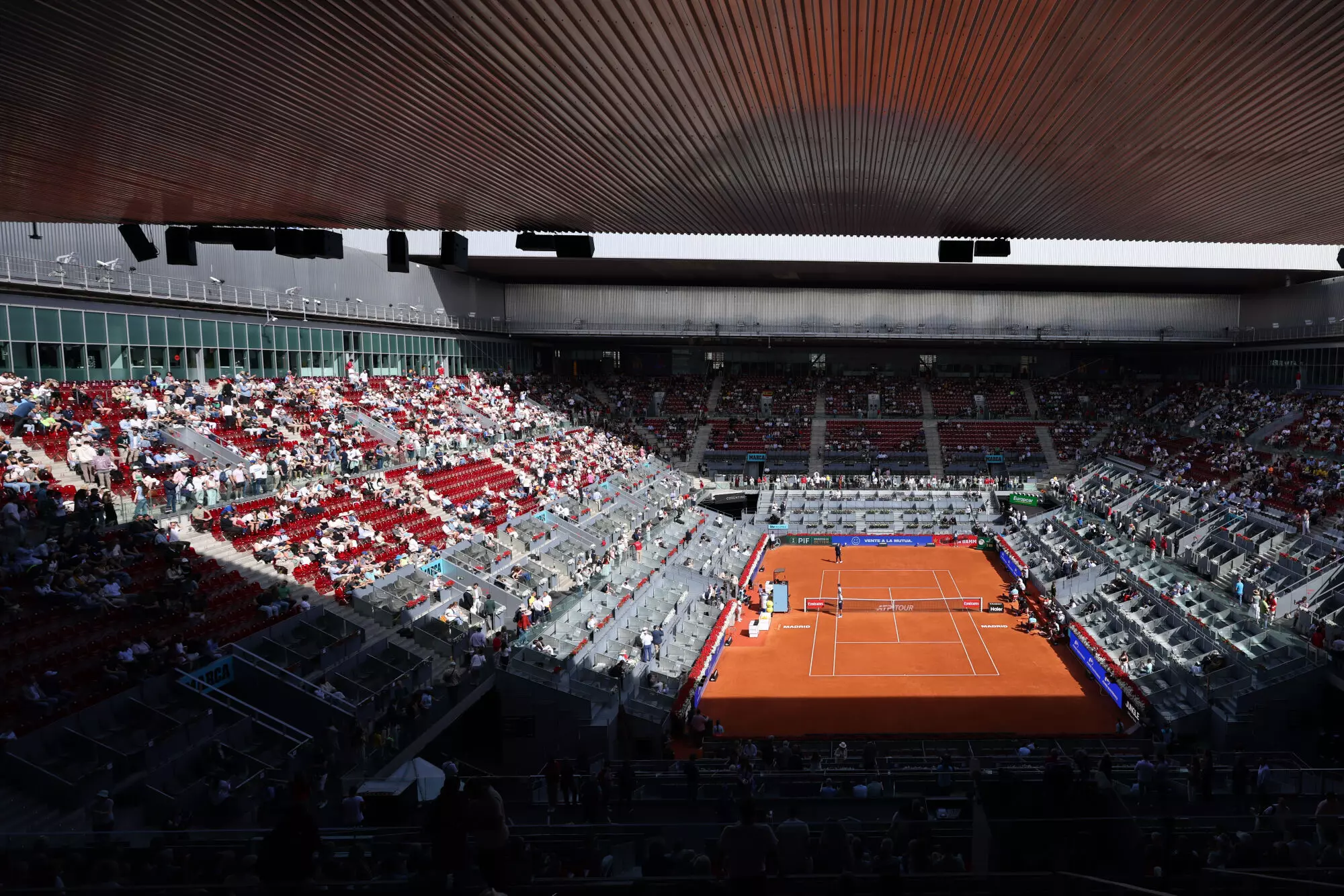
Perception is now part of the tournament.
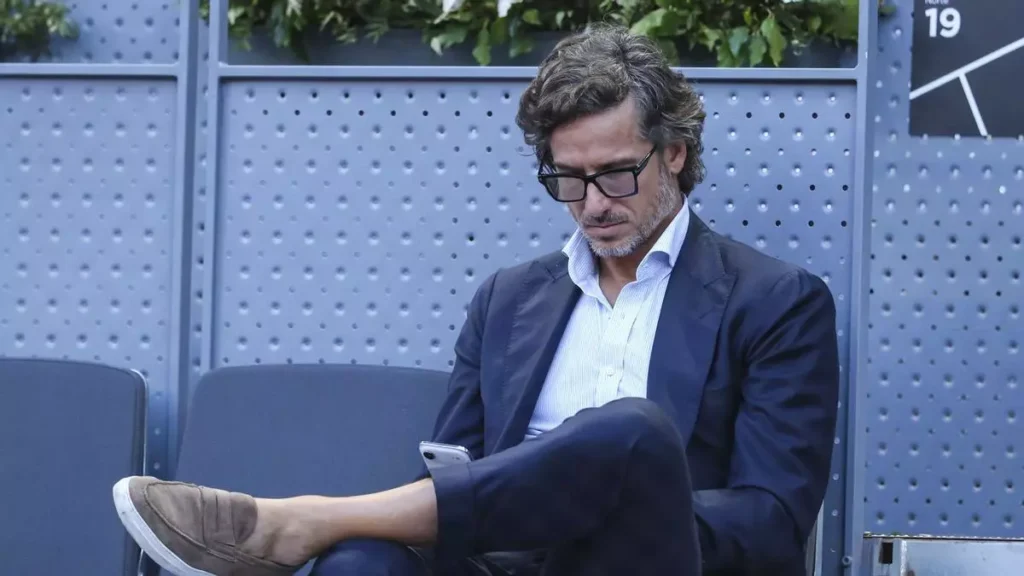
Madrid, April 2026. Feliciano López has stepped forward to defend the image of the Mutua Madrid Open after renewed criticism over half-empty stands, arguing that the perception does not reflect the tournament’s real performance. The controversy resurfaced through images of sparse evening crowds that fueled doubts about the event’s atmosphere. López’s response reframes the issue as a problem of timing, not demand.
According to the tournament director, ticket sales have exceeded last year’s figures, suggesting that the event remains commercially strong. He argues that critics focus disproportionately on late-night sessions, especially midweek, when attendance naturally drops due to work schedules and logistical constraints. During daytime hours, he maintains, the venue operates with strong public presence across courts, training areas and circulation zones.
The defense exposes a deeper shift in how sporting events are consumed. Modern tournaments are no longer judged only by attendance, but by their visual narrative across screens, highlights and social media fragments. A half-empty central court at night can outweigh a full complex during the day in shaping global perception. In that environment, optics become as strategic as operations.
There is also a structural factor at play. Early tournament rounds combine qualifiers, long sessions and diversified spaces where spectators distribute themselves rather than concentrate in a single arena. The Madrid Open’s multi-court design and extended schedule amplify this dispersion effect. What appears as absence in one frame may actually be presence redistributed across the venue.
This is why López’s intervention goes beyond defending attendance numbers. It is an attempt to control the narrative of a global event whose success is increasingly defined by how it is seen, not only by how it performs. In elite sports, perception is no longer secondary; it is part of the competition itself.
Hechos que no se doblan. / Facts that do not bend.