

 Phoenix 24
Physical risk returns to the center of cinema
Los Angeles, January 2026
The latest film led by Leonardo DiCaprio has reignited a long running debate inside the film industry about authenticity, performance, and the growing dependence on digital shortcuts. Rather than relying on stunt doubles or computer generated environments, the production places the actor directly inside sequences that involve tangible physical risk. This decision challenges a dominant production logic that favors safety through simulation over embodied presence. By committing to real locations and practical effects, the film positions itself as a statement about craft rather than spectacle alone. The choice signals a broader artistic intention to restore physical consequence to cinematic storytelling.
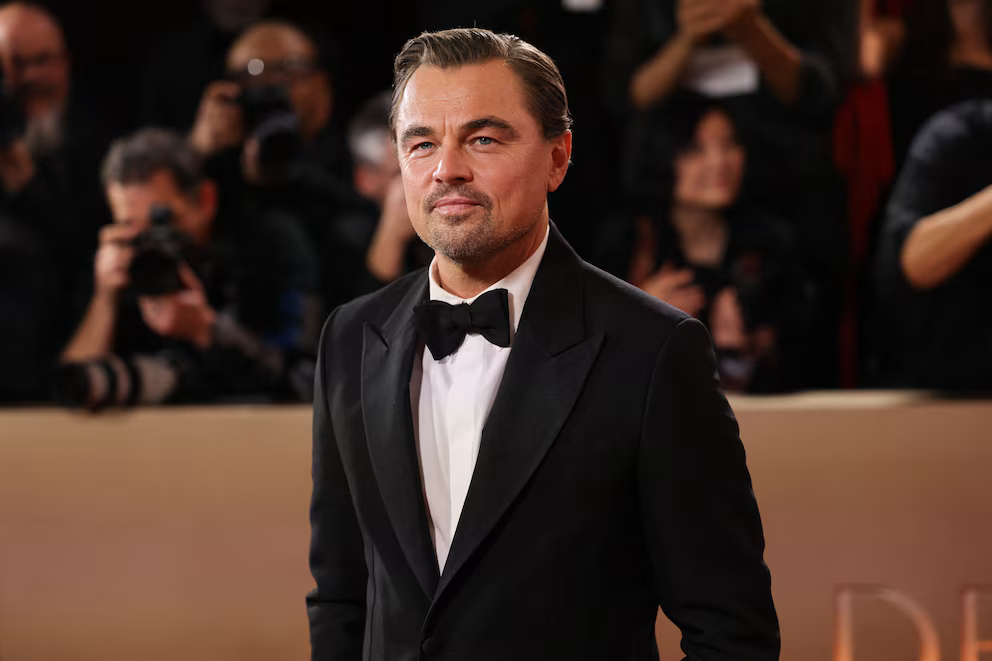
At the center of this approach is a philosophy that treats the actor’s body as an expressive instrument rather than a replaceable component. DiCaprio performs demanding scenes under tightly controlled conditions, yet without the visual safety net of green screens or digital compositing. The production relies on precise choreography, rehearsal, and coordination to manage risk while preserving immediacy. This method recalls earlier eras of filmmaking when actors were expected to merge performance with physical endurance. The result is a visual texture that communicates effort and vulnerability in ways digital replication often cannot. Viewers are invited to sense the weight of gravity, distance, and fatigue as part of the narrative experience.

The film is directed by Paul Thomas Anderson, whose body of work has consistently emphasized character, tension, and formal discipline. His collaboration with DiCaprio reflects a shared skepticism toward excessive technological mediation. Rather than rejecting technology outright, the production uses it selectively, allowing practical execution to drive emotional impact. Anderson’s direction frames risk not as spectacle for its own sake but as a narrative device that deepens character credibility. Each physically demanding moment is integrated into the story’s rhythm rather than isolated as a set piece. This alignment between performance and structure reinforces the film’s thematic coherence.
The decision to prioritize real action also carries implications for labor and safety culture within the industry. Extensive planning and layered oversight are required to balance artistic ambition with responsible risk management. Specialized teams coordinate timing, movement, and contingency protocols to ensure that danger remains calculated rather than reckless. This approach contrasts with digital pipelines that shift complexity into post production. While more demanding upfront, practical execution redistributes creative responsibility across departments in real time. It underscores how craftsmanship emerges from coordination rather than substitution.
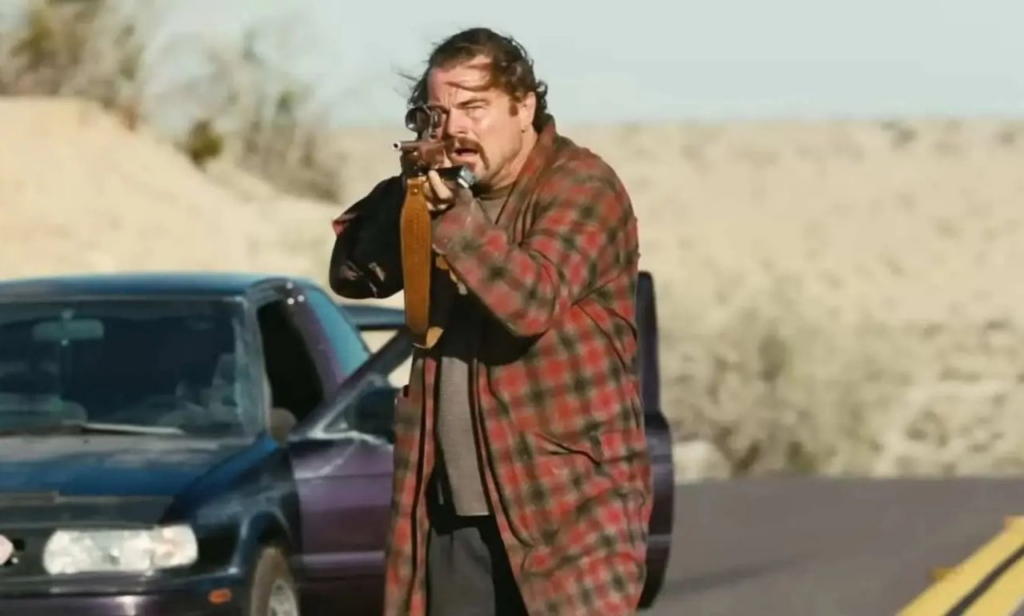
Critics have noted that the film’s impact lies as much in what it refuses to do as in what it embraces. By minimizing digital intervention, it resists a trend toward frictionless imagery that can flatten emotional stakes. The presence of genuine physical exertion introduces uncertainty that heightens audience engagement. This uncertainty is not chaotic but disciplined, anchored in preparation and trust between collaborators. As a result, tension feels earned rather than simulated. The film invites audiences to recalibrate how they perceive realism in contemporary cinema.
Industry observers in Europe and Asia have pointed to the project as part of a wider reevaluation of production values. As audiences grow more sophisticated, there is renewed appreciation for films that foreground human effort over algorithmic polish. The success of such projects suggests that realism still carries cultural capital when deployed with intention. This does not signal a rejection of digital tools, but a renegotiation of their role. Technology becomes supportive rather than substitutive, serving narrative integrity instead of overshadowing it.
For DiCaprio, the film represents a continuation of a career marked by deliberate risk taking in both role selection and working methods. His willingness to place himself physically within demanding environments reinforces a reputation for immersive commitment. It also reframes stardom as accountability rather than insulation. In an industry where prominence often distances performers from physical consequence, this choice collapses that gap. The actor’s visibility becomes inseparable from the conditions under which the performance is produced.
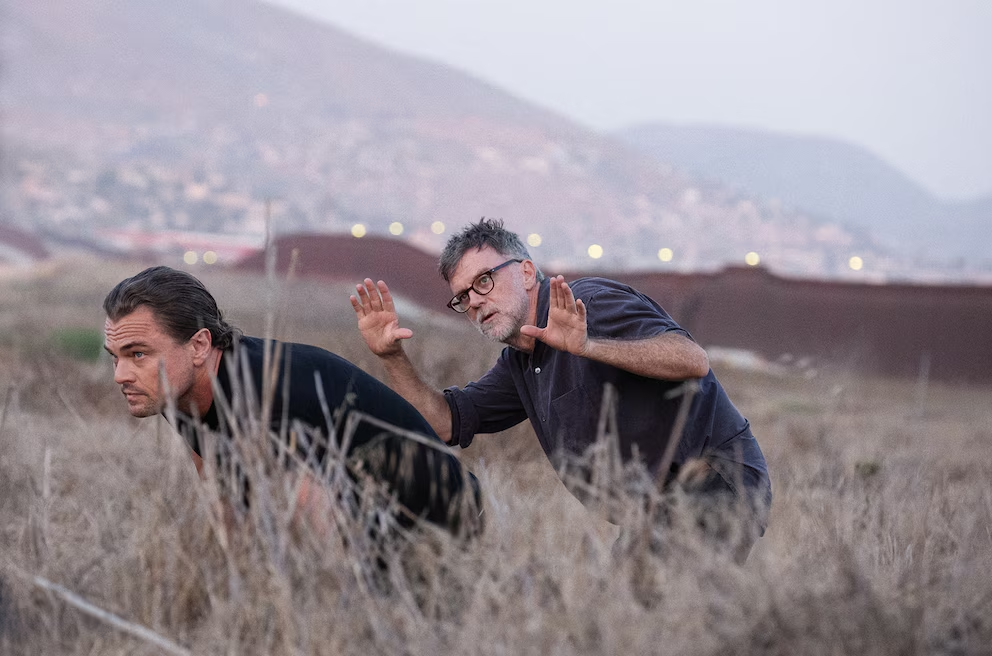
The broader significance of the film lies in its challenge to prevailing assumptions about efficiency and spectacle. By embracing constraint and exposure, it argues that limitation can be a source of creative power. The return of physical risk does not romanticize danger but contextualizes it within disciplined craft. In doing so, the production asserts that cinema’s emotional force still depends on human presence confronting real conditions. That assertion resonates beyond a single film, suggesting a possible recalibration of priorities across the medium.
Phoenix24: clarity in the grey zone.
Phoenix24: claridad en la zona gris.