

 Phoenix 24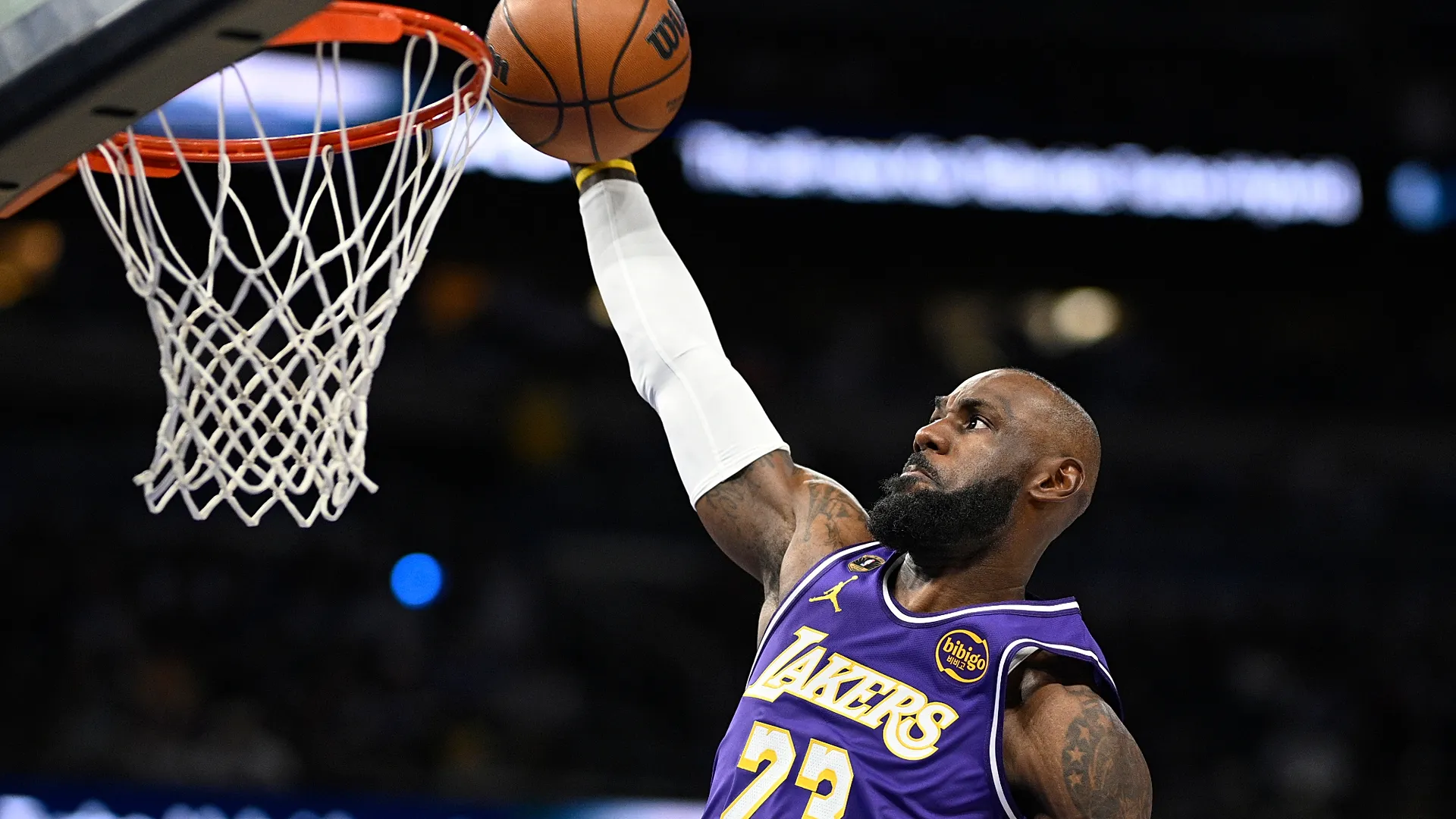
Longevity has become his final dominance.
Orlando, March 2026. LeBron James has now turned longevity into another category of supremacy. At 41, in his 23rd NBA season, he reached 1,612 regular-season games and surpassed Robert Parish to become the player with the most appearances in league history. The milestone was reached in the Lakers’ game against Orlando, confirming that his career is no longer measured only by championships, points or cultural impact, but by a form of physical continuity the modern NBA rarely sustains.
What gives this record its real weight is not the raw number alone, but the type of barrier it breaks. Parish’s mark had stood for nearly three decades and belonged to a different basketball age, one less compressed by pace, media exposure, travel load and the modern demands placed on superstars. For LeBron to overtake it while still functioning as a central competitive piece rather than a ceremonial veteran transforms the record from a statistical footnote into a structural statement about discipline, adaptation and athletic durability.
That is the deeper significance of this moment. Most players who survive long careers do so by slowly retreating into smaller roles, reduced expectations and symbolic status. LeBron has defied that script. He has remained not only visible, but relevant, still carrying offensive responsibility, still shaping the rhythm of games and still expanding a résumé that had already escaped ordinary comparison years ago. The record, then, is not simply about time served. It is about sustained consequence over time.
There is also something revealing in the way this milestone reshapes the mythology around him. For years, LeBron’s legacy was debated through familiar categories: rings, rivalries, eras, scoring totals, postseason greatness. But this record belongs to a different register. It speaks to maintenance as greatness, to the discipline of preservation, to the refusal of bodily decline as an immediate law. In a league built around explosion, LeBron has made endurance itself look like a form of domination.
The milestone also says something larger about the NBA’s changing value system. Modern basketball celebrates youth, speed and perpetual renewal, yet LeBron has remained at the center of that ecosystem long enough to break one of its oldest records without becoming obsolete. That alone is extraordinary. It suggests that elite longevity in the contemporary game is not just about surviving training methods, recovery science and scheduling demands, but about mastering reinvention at a pace the league usually reserves for the next generation.
What makes the image even stronger is that this is not his only claim on the record books. He already stands as the NBA’s all-time leading scorer and has accumulated a body of postseason and regular-season production that long ago made his career statistically untouchable in several dimensions. But this new mark carries a different emotional charge. It feels less like accumulation and more like conquest of time itself.
That is why the record matters beyond basketball nostalgia. It reframes LeBron not merely as one of the greatest players ever, but as the player who most aggressively stretched the limits of what a modern superstar career could physically become. The league has seen dominant peaks before. It has seen iconic primes. What it has rarely seen is a body of work that turns duration into another language of power. And that may be the final category in which LeBron becomes hardest to compare.
Every silence speaks.