

 Phoenix 24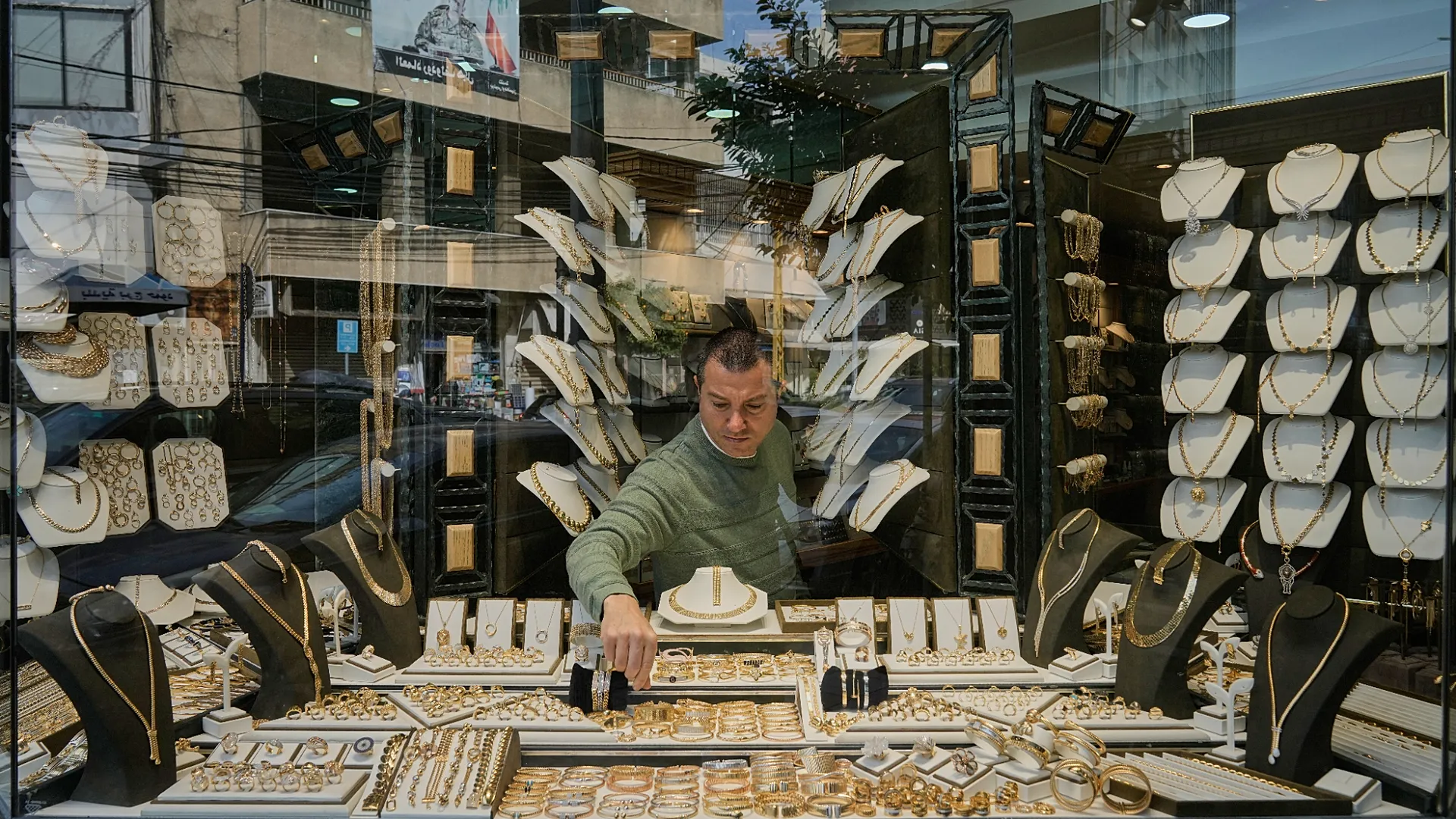
A vault can’t replace a state.
Beirut, February 2026.
Lebanon is again debating whether its gold reserves are a lifeline or a red line in a collapse that has already exhausted most conventional options. The hoard is commonly cited at about 286 tonnes, a stockpile that has gained near mythic status because so little else in the public balance sheet still looks intact. Recent valuations circulating in international coverage place the reserve around 42.4 billion dollars, a number large enough to tempt policymakers and large enough to frighten depositors who expect any proceeds to disappear. In this crisis, gold is not just an asset, it is a proxy for credibility, and credibility is what the system has been running out of since 2019.
The pressure behind the debate is straightforward: the banking sector’s losses were effectively pushed onto households, while political paralysis blocked a clean restructuring and froze meaningful restitution. Depositors saw access to savings restricted, the currency collapsed, and the state’s ability to deliver basic services became intermittent, which turned survival into private improvisation. That is why the gold keeps returning to the agenda, because it is the only remaining store of value that appears large, liquid, and symbolically national. Yet the very fact that it looks like a solution is the trap, because it encourages actors to reach for the vault instead of accepting the social and political cost of distributing losses transparently.
A critical constraint is legal, because Lebanon prohibited the sale of its gold during the civil war era to prevent politicians from liquidating strategic assets under pressure. Any attempt to sell, pledge, or otherwise mobilise the reserves would require parliamentary action, which immediately turns a financial question into a legitimacy battle. That barrier is not cosmetic, it exists because the public assumes a liquidation would be captured by the same networks that captured the rest of the state. Even the discussion of using gold can trigger panic dynamics, because it signals that the system has moved from reform to salvage. In a low trust environment, symbolism can move faster than policy, and gold is pure symbolism.
Advocates of tapping the reserve tend to pitch it as controlled triage rather than a fire sale. The most common argument is that partial use could help compensate depositors, recapitalise a broken banking sector, or finance critical infrastructure that keeps households functioning. The counterargument is that these are precisely the domains where corruption and patronage have historically been concentrated, meaning the money would be absorbed without repairing the underlying machinery. A one time infusion also risks moral hazard, because it can delay reforms by offering a temporary oxygen tank that postpones the hard decisions. When gold becomes available in political imagination, every actor has an incentive to wait for it rather than accept painful restructuring now.
Internationally, the reserve is significant but not system saving, which is where expectations often become dangerous. A stockpile of this size cannot on its own rebuild a financial system, restore a credible currency regime, and finance reconstruction in a country whose institutional capacity has been hollowed out. What it can do is buy time, but time only matters if it is used to install governance that can survive audits, prosecutions, and electoral turnover. External frameworks for Lebanon’s recovery have repeatedly pointed to the same requirements: credible loss recognition, bank resolution, fiscal reform, and anti corruption enforcement that is more than theatre. Without those elements, gold becomes a transfer mechanism, not a recovery mechanism.
Domestically, the gold question is also psychological, because Lebanese households have already internalised the lesson that private hedges are safer than public promises. As trust evaporated, people relied more on cash, remittances, and precious metals at the personal level, treating tangible value as self defense rather than investment. That behavior explains why liquidation is politically explosive, since many citizens view the reserve as the last national anchor that cannot be quietly re priced or quietly seized. If the state sells gold without a transparent, enforceable distribution plan, it confirms the belief that nothing is protected. If the state refuses to touch it while reforms stall, it confirms the belief that the elite prefers paralysis to accountability.
The real dilemma is therefore not technical, it is constitutional in spirit, because it asks whether Lebanon can act like a state before it acts like a trader. Mobilising the reserve would require rules that bind decision makers, independent oversight that can investigate and sanction abuse, and a publicly legible plan that specifies beneficiaries and sequencing. It would also require political leaders to accept that some constituencies will lose privileges, because recovery is not possible without breaking entrenched extraction. In that sense, the gold is not a shortcut, it is a stress test of whether Lebanon can build a governance perimeter strong enough to touch its last asset without corrupting its meaning. If it fails that test, the vault will not save the country, it will simply become the final chapter of the same story.
La verdad es estructura, no ruido. / Truth is structure, not noise.