

 Phoenix 24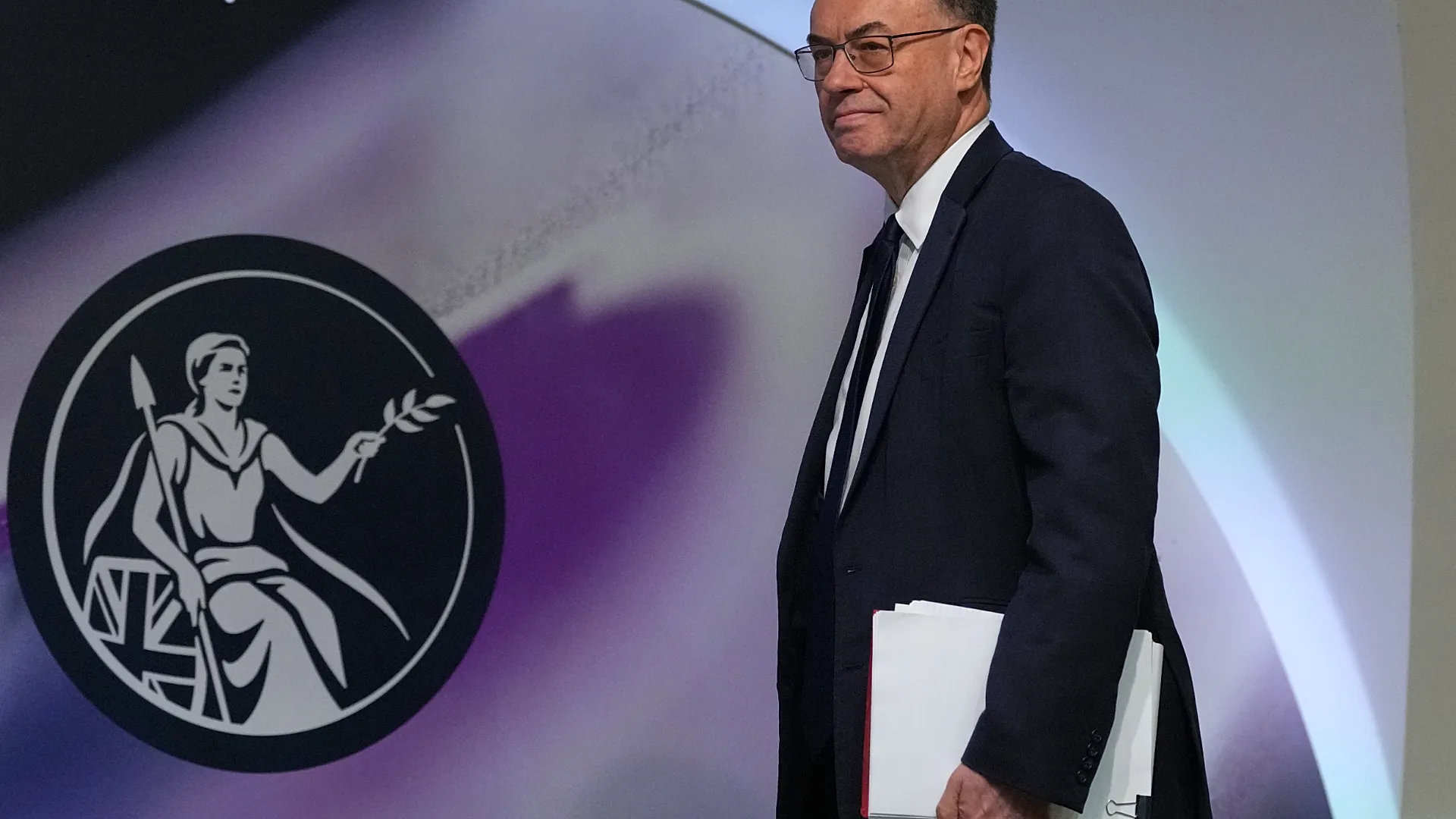
Energy relief offers hope, but uncertainty still dominates.
LONDON, United Kingdom | June 2026
The Bank of England kept its benchmark interest rate unchanged at 3.75 percent as policymakers weighed easing energy pressures against inflation that remains above the official target. The Monetary Policy Committee voted by a majority of seven to two to maintain the current level, extending the pause that began after the final rate reduction of 2025. Governor Andrew Bailey said recent diplomatic progress involving the United States and Iran had helped lower energy prices, but warned that the outlook remained unpredictable. The decision reflects a cautious effort to avoid tightening policy prematurely while preserving the option of acting if inflationary pressures intensify again.
Britain’s annual inflation rate stood at 2.8 percent in May, still above the central bank’s 2 percent objective but below some earlier expectations. Lower oil and gas prices have reduced fears that the Middle East conflict could trigger a prolonged surge in transport, electricity and household energy costs. However, the Bank of England expects inflation to remain elevated during the second half of the year and potentially move above 3.25 percent before beginning a more sustained decline. Policymakers therefore concluded that the recent improvement was encouraging but not yet sufficient to justify a reduction in borrowing costs.
Two members of the committee, Chief Economist Huw Pill and external policymaker Megan Greene, voted to raise the Bank Rate to 4 percent. They argued that higher energy costs could spread through wages, services and consumer expectations, making inflation more persistent than current forecasts suggest. Their position reflects concern that households and businesses may begin assuming that elevated prices will continue, influencing salary negotiations and commercial decisions. The majority nevertheless preferred to wait for clearer evidence before changing course.
Bailey described the current strategy as an active hold rather than a passive pause. By keeping rates at 3.75 percent while financial markets had previously expected cuts, the central bank considers monetary policy tighter than investors anticipated before the escalation in the Middle East. This approach allows officials to restrict demand without imposing the additional pressure of an immediate increase. It also gives the committee time to assess whether falling energy prices will continue translating into broader inflation relief.
The economic environment remains difficult because inflation concerns coexist with weak growth and a cooling labor market. Job vacancies have fallen to their lowest level in several years, while businesses remain cautious about recruitment and investment. Unemployment has shown signs of easing from recent highs, but wage growth continues to create uncertainty for the inflation outlook. The central bank must therefore avoid keeping rates excessively high for too long while also preventing a renewed acceleration in prices.
For households, the decision means mortgage, credit and loan costs will remain elevated. Borrowers with variable-rate products will not receive immediate relief, while many homeowners approaching the end of fixed mortgage agreements could face higher monthly payments when refinancing. Savers, by contrast, may continue benefiting from relatively attractive deposit rates. The uneven impact illustrates how monetary policy can stabilize prices while simultaneously placing pressure on household finances.
Businesses will also continue confronting expensive credit at a time of subdued demand and uncertain global conditions. Smaller companies are particularly vulnerable because they depend more heavily on bank financing and often lack access to capital markets. Higher borrowing costs can delay investment in equipment, technology and expansion, weakening productivity over time. The Bank of England must balance these consequences against the risk that lowering rates too early could reignite inflation.
The decision also places Britain on a different path from some other major central banks. The European Central Bank has recently moved toward tighter policy, while the United States Federal Reserve remains divided over how quickly inflation pressures may fade. Global monetary conditions are increasingly shaped by energy markets, geopolitical tensions and the resilience of national labor markets. The Bank of England’s cautious stance reflects the difficulty of setting domestic policy when international events can rapidly alter the inflation outlook.
Markets interpreted the announcement as confirmation that interest rates are likely to remain unchanged for an extended period. Sterling weakened after the decision as investors reassessed the possibility of future increases, while expectations of near-term cuts remained limited. Much will depend on the evolution of energy prices, wage growth and consumer inflation during the coming months. Any renewed disruption to oil or gas supplies could quickly strengthen the case for tighter policy.
The Bank of England has chosen patience, but the decision does not signal that inflation has been defeated. Recent declines in energy costs have reduced immediate pressure, yet the economy remains exposed to geopolitical shocks and domestic price persistence. Bailey and the committee are attempting to preserve flexibility rather than commit to a predetermined path. For British households and businesses, the message is clear: borrowing costs will remain high until the central bank is confident that inflation is moving sustainably toward its target.
La narrativa también es poder. / Narrative is power too.