

 Phoenix 24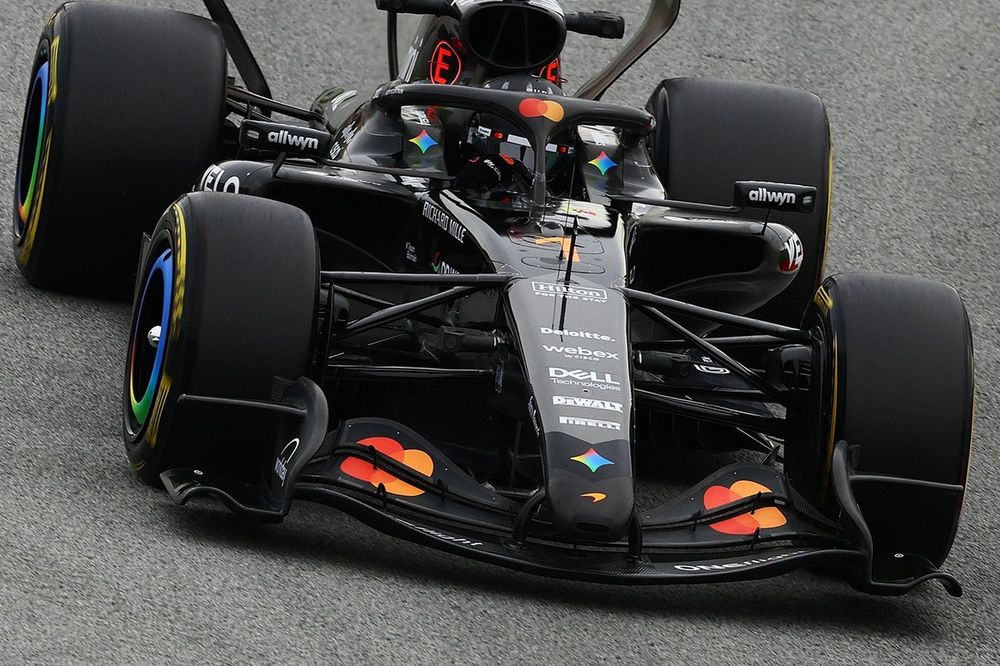
When a team introduces a refreshed race car, expectations heighten and performance scrutiny intensifies.
Barcelona, January 28, 2026. Formula 1 driver Lando Norris took to the Circuit de Barcelona-Catalunya to debut McLaren’s updated race car for the upcoming season, marking a significant milestone in the team’s development program. The session was watched closely by competitors, engineers and fans alike as McLaren seeks to solidify its position within the highly competitive midfield and challenge for higher results in the season’s early races.
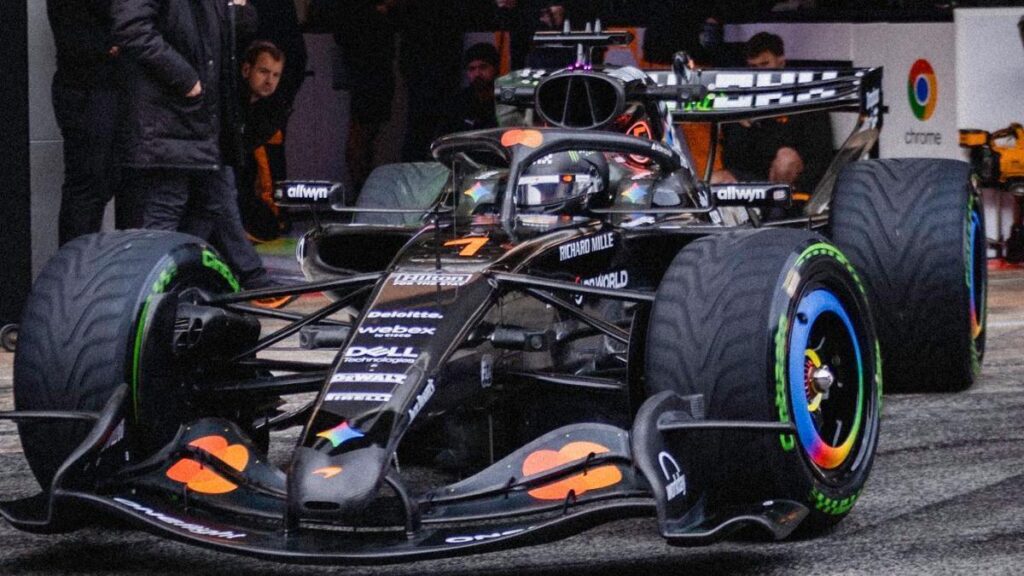
The updated McLaren package incorporates aerodynamic refinements and chassis improvements aimed at enhancing stability through high-speed corners and optimizing tire performance over long stints. Norris completed numerous laps under varying track conditions, providing engineers with detailed feedback on balance, responsiveness and power delivery. The driver’s input will help guide final adjustments in advance of official pre-season testing and the first Grand Prix of the year.
Observers noted that the Barcelona circuit remains a popular testing ground because its combination of technical corners and long straights offers a comprehensive evaluation of a car’s overall performance envelope. Teams use data gathered here to benchmark against rivals and to identify strengths and weaknesses that can be addressed with ongoing development. For McLaren, the session was an early opportunity to assess how the new components integrate with the team’s broader performance strategy.
Norris expressed cautious optimism after his runs, noting improvements in front end stability and responsiveness out of slow corners. He emphasized that while the initial results are encouraging, sustained performance through multiple sectors and under different temperatures will be critical. Drivers and teams alike typically treat these early outings as learning opportunities, gathering insights that inform race strategy and setup decisions throughout the season.
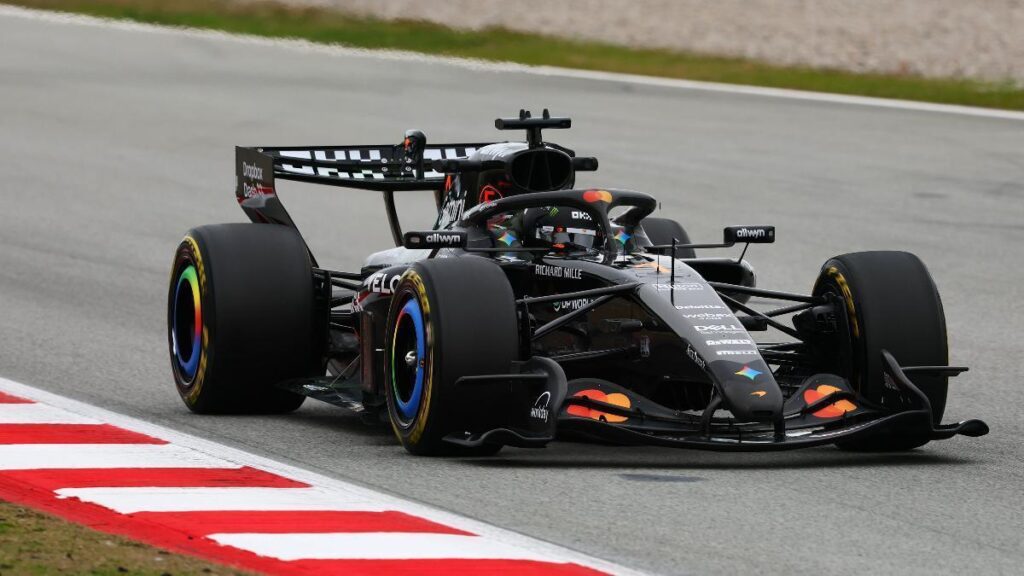
McLaren’s technical leadership described the debut as a key step in their iterative development cycle. Engineers and aerodynamicists have worked to extract performance gains without compromising reliability, a balance that has proven essential in recent years. The team’s approach underscores the interplay between innovation and operational consistency, with each update tested rigorously to ensure it meets competitive expectations.
The Barcelona outing also provided a platform for McLaren to compare performance trends against those of other teams participating in parallel sessions. Benchmarks from such comparative analysis help teams refine simulation models and calibrate performance targets. In a sport where fractions of a second can determine qualifying positions and race outcomes, every piece of data contributes to competitive advantage.
Fans at the circuit observed the session with interest, with many expressing enthusiasm about what the updated McLaren might achieve in the season ahead. Public engagement during testing sessions has increased in recent years, reflecting growing interest in the technical aspects of the sport as well as the personalities of drivers like Norris who combine speed with a communicative presence.
As teams prepare for official pre-season testing and the start of the championship, the insights gathered at Barcelona will play an important role in shaping early setup philosophies and performance expectations. The refinement of car behavior under real track conditions remains a cornerstone of preparation, with drivers and engineers continuing to iterate until race launch.
Behind every data point, there is an intention. Behind every silence, a structure.
Detrás de cada dato, hay una intención. Detrás de cada silencio, una estructura.