

 Mario López Ayala, PhD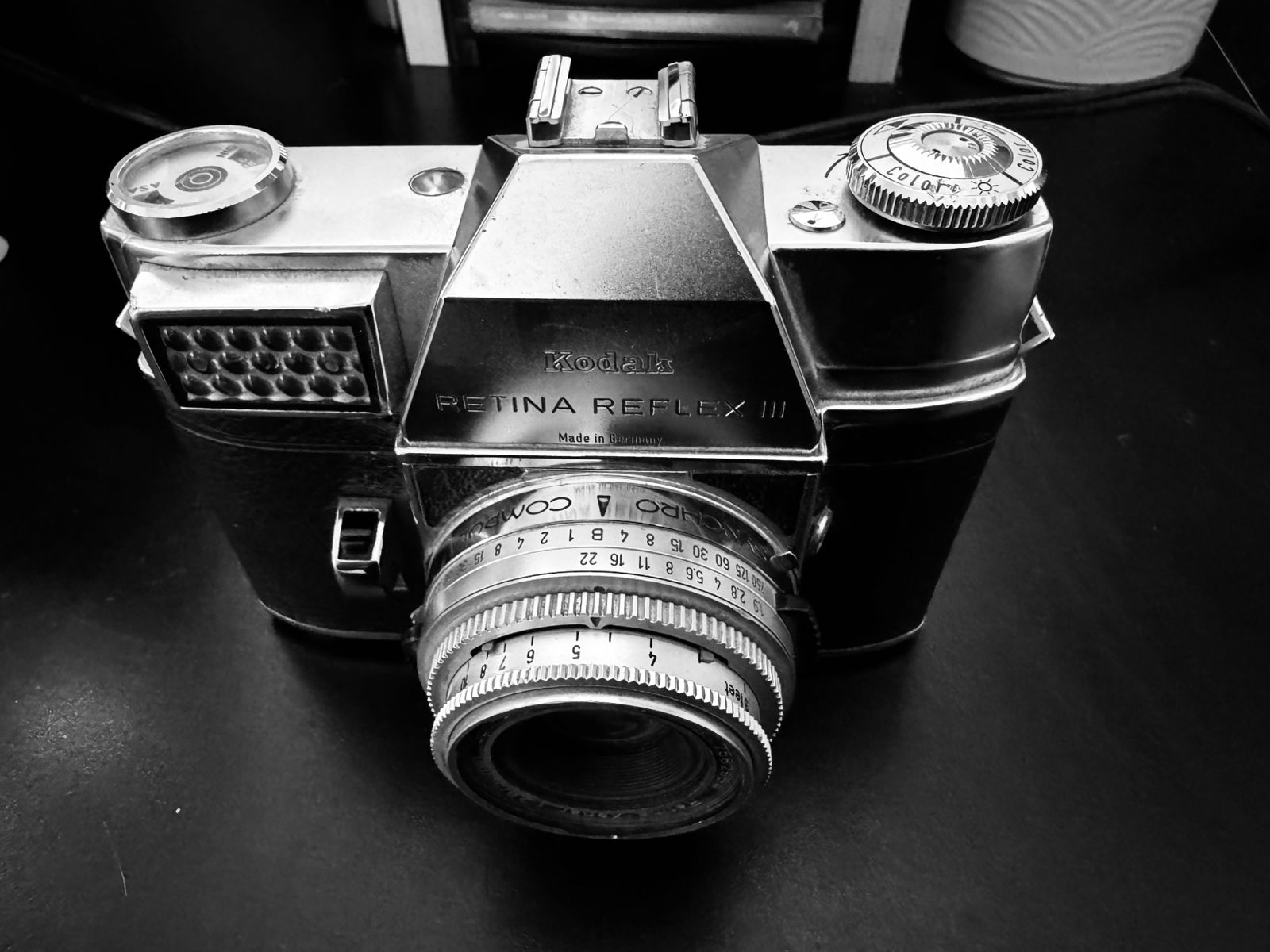
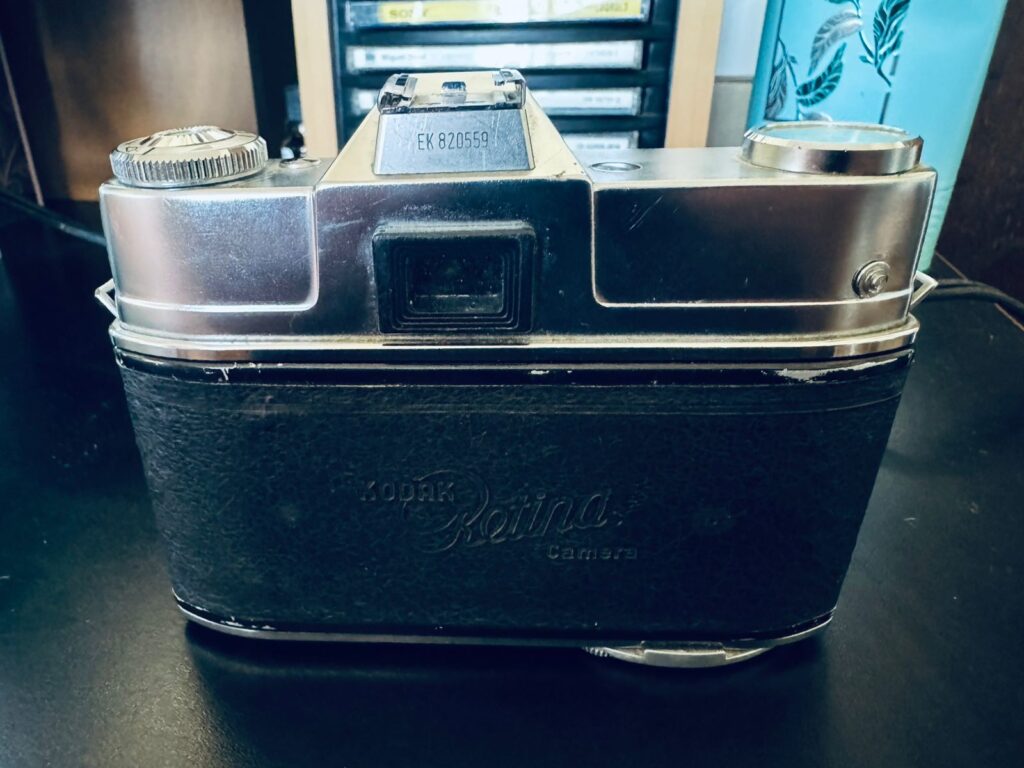
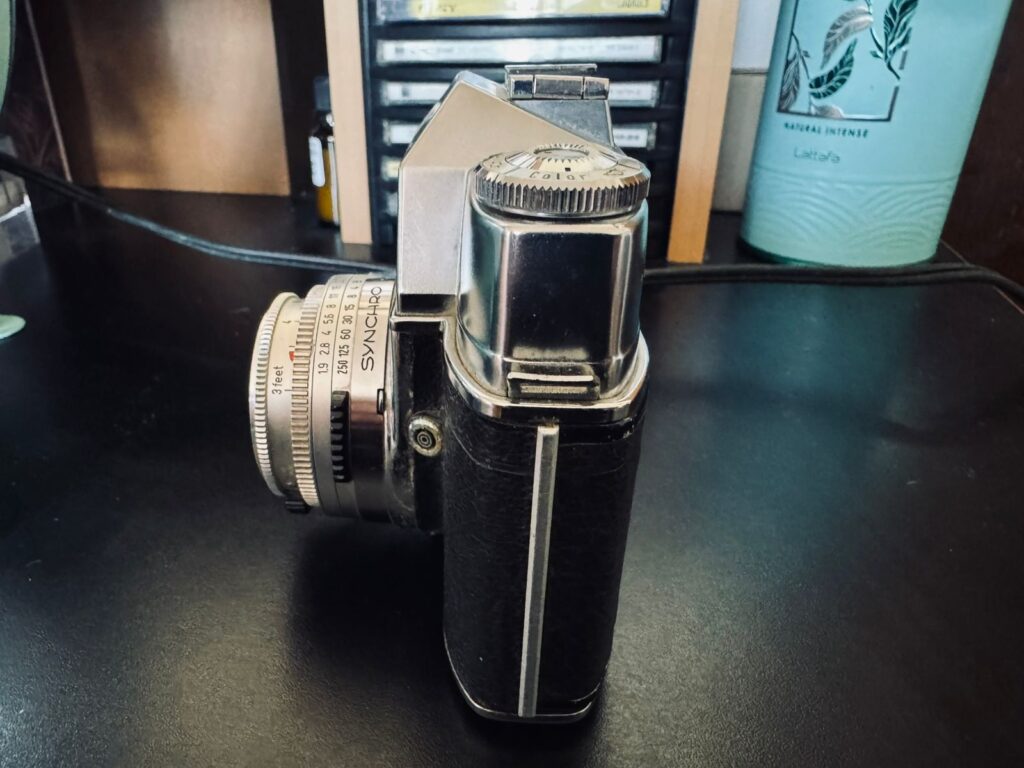
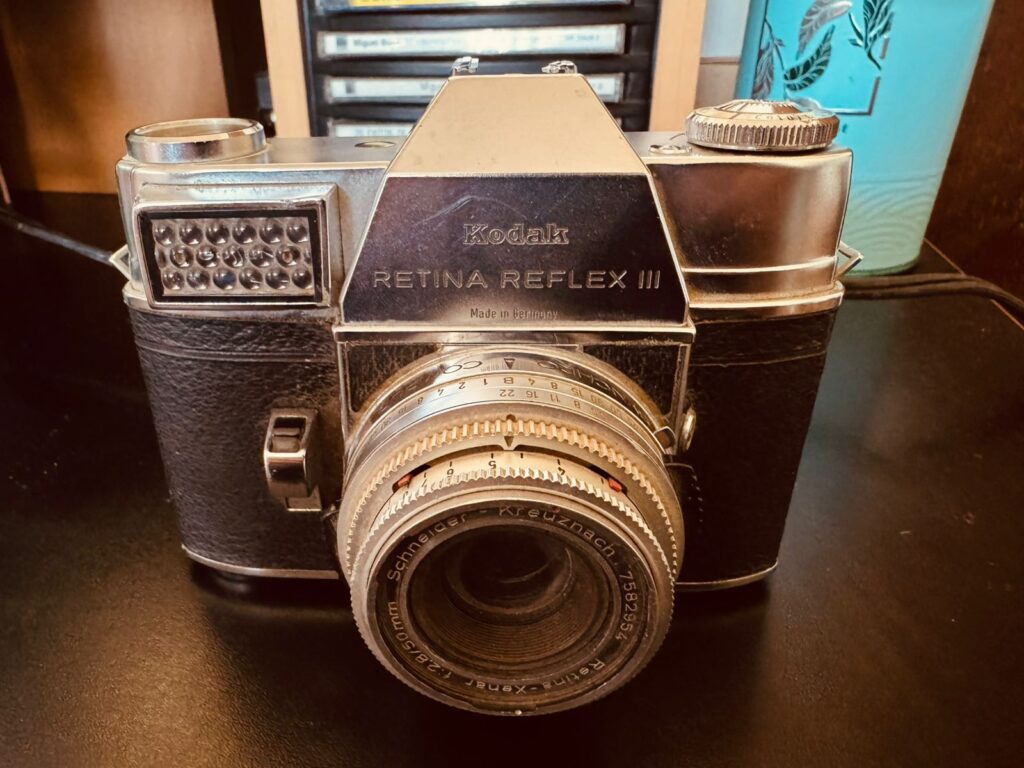
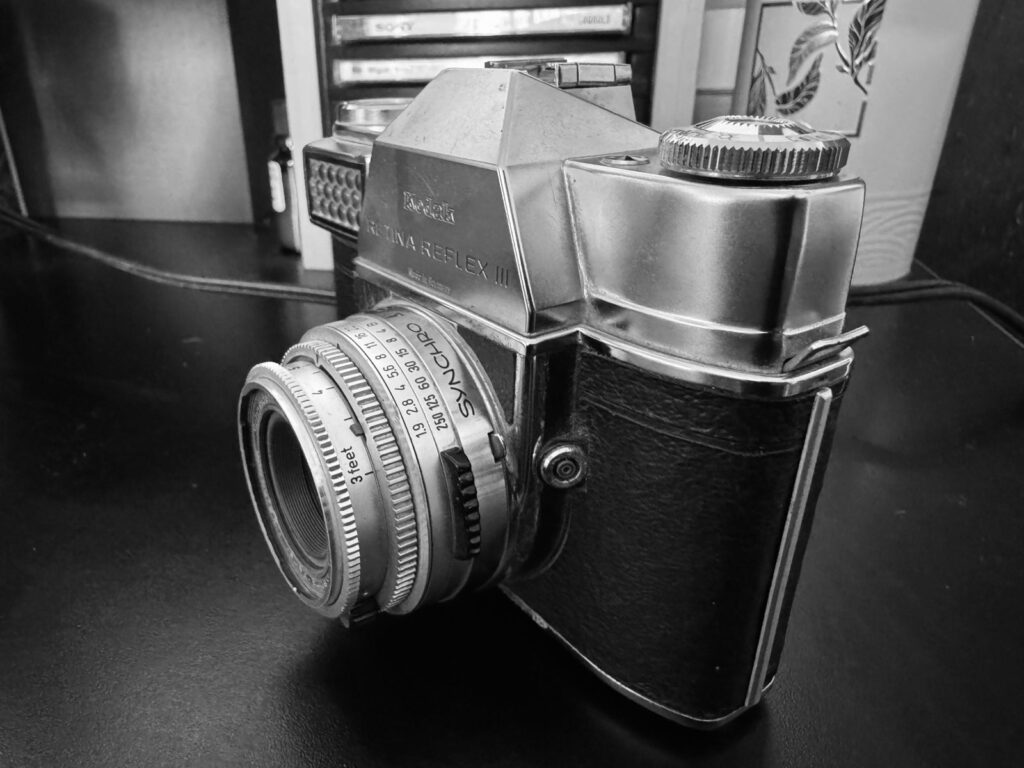
Made in Germany, this Kodak Retina Reflex III does not look like a camera. It feels like a presence. One of those things that has seen too much and, even so, continues to keep its silence, as if waiting for the precise moment to return a fragment of memory to the world. There is an old gravity in its metal, an almost human patience, as if it still carried the echo of newsrooms, the tremor of history, and the restrained breath of those who learned to look before they spoke.
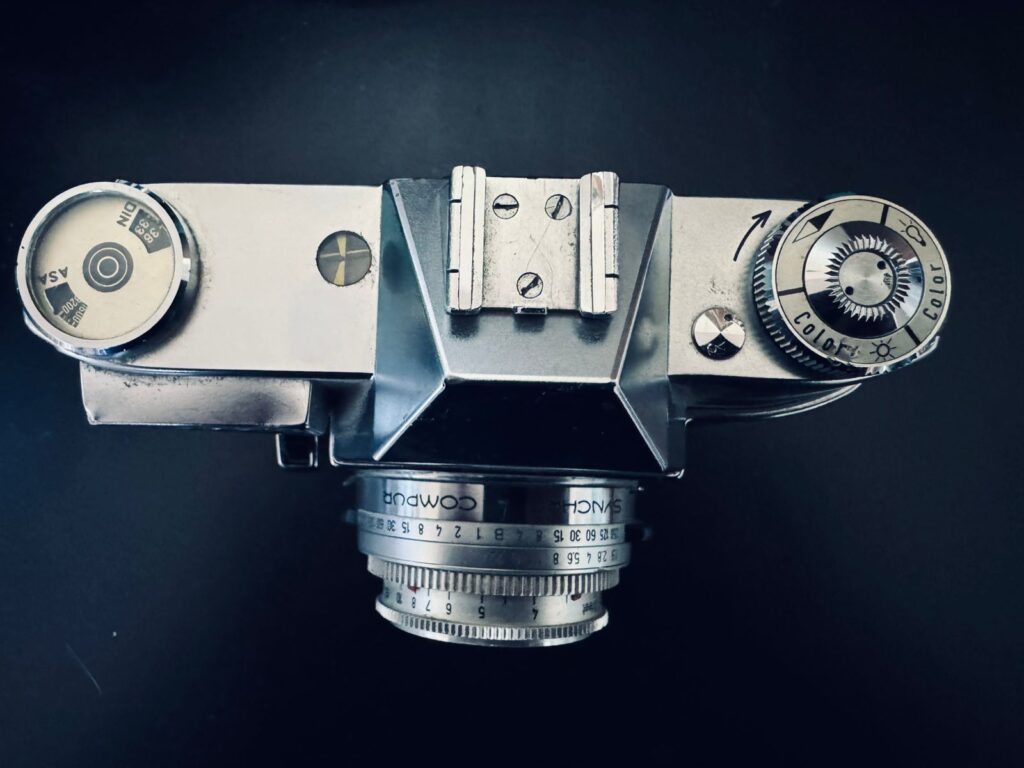
A camera like this was not born for haste. It was born for the decisive instant, for the light that enters only once and never repeats itself. It belonged to a lineage of machines that accompanied some of the most intense decades of modern journalism, when news was still pursued with a notebook, worn-out shoes, instinct, nerve, and the constant suspicion that truth could slip away through a crack if one arrived too late. In those years, the world did not merely change. It burned. There were wars, revolutions, coups, crowded squares, stadiums turned into civic temples, speeches that moved entire nations, and silences that were also a form of violence.
But this camera does not belong only to the roar of the news. It also seems to have known the secret bohemia of journalism, that other newsroom without walls where the day was often understood at last. The bar at the end of a long shift. A glass of whisky or beer. An open notebook. Smoke rising slowly. A bolero in the background, or perhaps tired jazz, or a ranchera drifting in from another table, while reporters returned with their clothes full of street dust, of distance, of the world, and of exhaustion. In those tables, too, the craft was written. There, exploits were exaggerated, fears were confessed, defeats were shared, and between the music, the late hour, and the clink of glasses, someone would release a story that sometimes proved more dangerous than the one that had gone to print.
Cameras of this kind lived alongside journalists who made the profession a way of entering darkness without lowering their gaze. Oriana Fallaci, from Italy, interrogated heads of state, soldiers, and men of power with a ferocity that left them nowhere to hide. Martha Gellhorn, from the United States, went to war not to describe the map, but the wound; not the maneuver, but the human suffering left behind when the noise had faded. Dorothy Kilgallen, also from the United States, moved between the glitter of entertainment, the undercurrents of crime, and the secrets of power with a journalistic instinct that still leaves a trail of intrigue and legend. Mohamed Hassanein Heikal, in Egypt, read from within the pulse of an Arab world crossed by nationalism, defeat, and geopolitical storms. Ghassan Tueni, in Lebanon, defended the written word amid fractures, censorship, and war, as if every edition were a barricade raised with paper, ink, and conscience.
Farther away, in other corners of the earth, journalism kept playing its game against fear. Takashi Tachibana, in Japan, opened the way for a kind of investigation capable of troubling the untouchable. Dai Qing, in China, turned critical writing into a form of disobedience against imposed silence. Anna Politkovskaya, in Russia, made the coverage of war and the abuses of power into a courage that would ultimately cost her life. Wilfred Burchett, from Australia, was the first Western journalist to report from Hiroshima after the bomb, as if he had walked through ashes in order to tell the world that hell also leaves soot upon paper. Henry Nxumalo, in South Africa, confronted the brutality of apartheid through his work and paid with his life the price of looking too closely. Rodolfo Walsh, in Argentina, turned investigation into denunciation, and denunciation into a form of dignity in the face of state violence. Zuenir Ventura, in Brazil, portrayed the social fractures of his country with long breath and moral clarity, reminding us that reportage can also be a waking conscience.
And in our language, where reality often seems to arrive with dust, mourning, and forewarning, there were also those who understood that a country cannot be told from the surface. Gabriel García Márquez, from Colombia, learned in journalism the art of seeing the smallest detail that announces the storm, and turned everyday life into a revelation charged with wonder. Julio Scherer García, from Mexico, made journalism a permanent discomfort for power and defended critical independence when doing so meant confronting structures that preferred obedience. Elena Poniatowska, from Mexico, gathered the voices of the wounded, the forgotten, women, the poor, and all those whom official history wanted to leave outside the record. Carlos Monsiváis, also from Mexico, turned chronicle into a fierce mirror of public life, culture, crowds, and national contradictions.
But Mexico had more names who walked that same tightrope. Manuel Buendía made his column a high-voltage territory, where corruption, networks of power, crime, and the dark zones many wanted to keep in shadow all came together. Miguel Ángel Granados Chapa turned analysis into a form of democratic vigilance and critical serenity amid noise, opacity, and the habit of silence. Vicente Leñero showed that journalism is also fought from within newsrooms, among pressure, fractures, dignity, and loyalties put to the test. Fernando Benítez helped forge a critical and intellectual tradition in the Mexican press, opening spaces that shaped entire generations of readers, reporters, and writers. They were not merely bylines. They were ways of staying awake in a country that too often preferred to sleep with its eyes open.
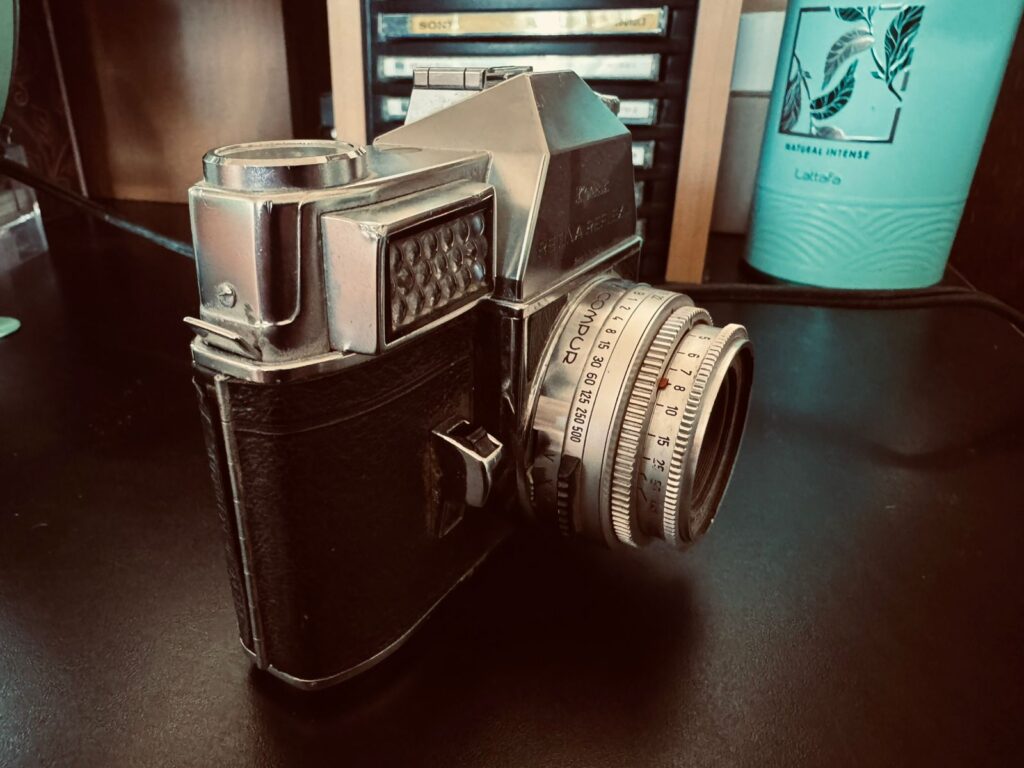
This Kodak Retina Reflex III belongs to that genealogy of silent witnesses that accompanied the tremor of decades, the smoke of wars, the vertigo of public squares, the roar of a World Cup in Mexico, the interview that could unsettle the powerful, and the dawn hour when a single story could still alter the pulse of a nation. In its metal body, an old lesson seems to survive: first one arrives, then one observes, then one doubts, verifies, and only at the end does one narrate. That is the true suspense of the profession. Not knowing whether one will manage to see the decisive second. Not knowing whether censorship, fear, or violence will arrive first. Not knowing whether truth will have time to show its face. And yet, staying there all the same.
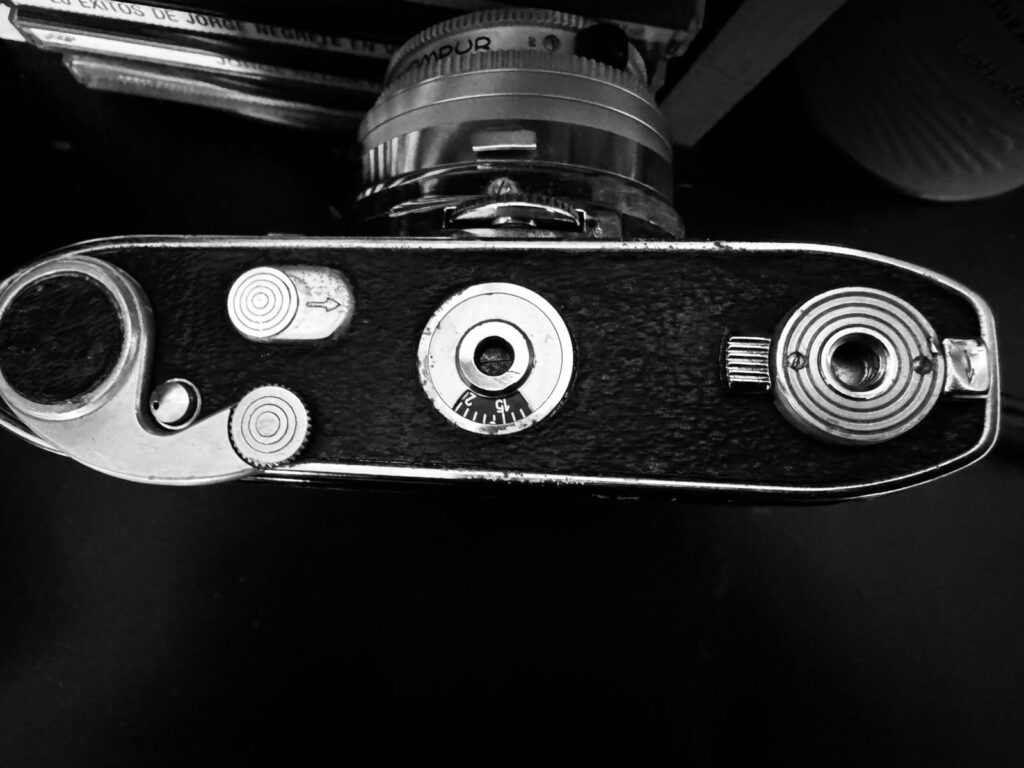
Perhaps that is why this camera moves one so deeply. Because it does not feel like an old object, but like a witness that refused to speak until now. It reminds us that behind many of the images, chronicles, and investigations that marked humanity, there was always someone willing to hold the light in the middle of the shadow. And that journalism, when it honors its highest vocation, does not work only for the headline of the day or for fleeting applause, but so that Lightwill not go out, so that Truth will not be buried, and so that both may continue to be, for the benefit of Humanity, a form of memory, dignity, and hope.
Mario López Ayala, PhD
Journalist, researcher, and director of Phoenix24