

 Phoenix 24
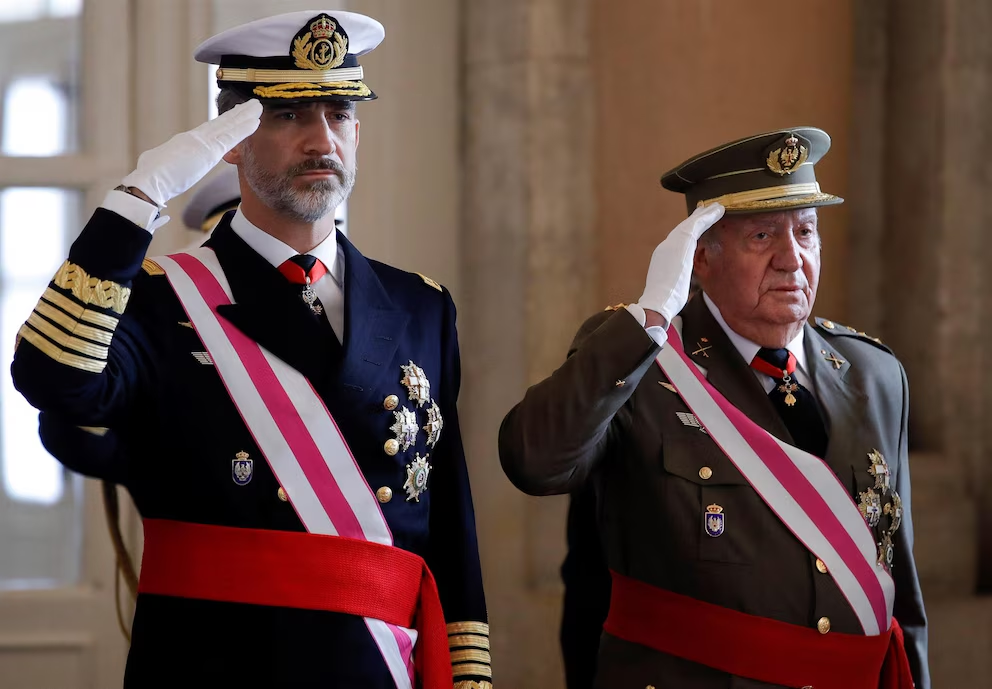
A cross-generational clash behind closed doors has evolved into a public test of accountability, transparency and duty within Spain’s Crown.
Madrid, November 2025
The prospect of King Juan Carlos I’s return to Spain has moved from whispered hope to conditional reality under the stern oversight of his son, Felipe VI. After five years spent in exile in Abu Dhabi, the former monarch’s desire to reclaim residence in his native country clashes head-on with three non-negotiable demands from Felipe VI that reflect a broader crisis of legitimacy facing the Spanish monarchy. The first condition is unequivocal: financial transparency. The father must fully open his accounts and make public the intricate networks of wealth accumulation that triggered his self-exile. The second requirement insists on a full declaration of assets, removing the blanks in an opaque era of figureheads and shadowy transactions. The third stipulation states that Juan Carlos I must resume full tax residency in Spain, paying dues as any citizen and renouncing any offshore privilege. These terms serve not only as personal preconditions but as institutional safeguards in a moment when the Crown’s credibility hinges on exemplary conduct.
Spanish real-world observers view the story through multiple lenses. In Western Europe, governance scholars note how monarchies now face the same demands for transparency that once applied only to elected governments. In Latin America, where royal models have faded, analysts highlight how the Spanish monarchy must adapt to modern expectations about accountability and wealth. In Asia, commentators following global royal families insist that the implicit contract between monarchy and society breaks down when economic privilege is seen as immunity rather than responsibility. Thus Felipe’s conditions echo a global shift: whether inherited power can survive without public trust.
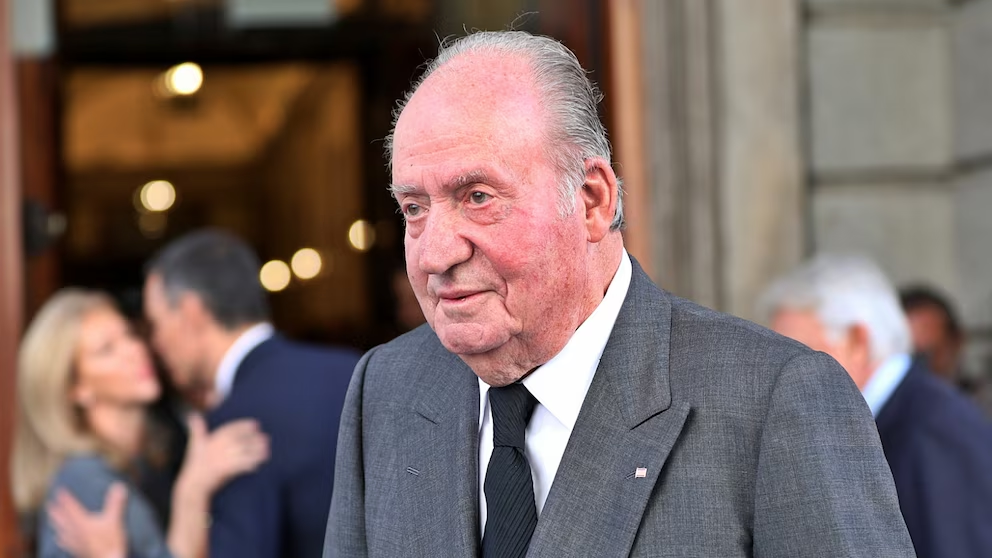
Behind the royal headlines lies a deeper drama. King Juan Carlos I reportedly told friends that he wished to spend at least three months a year in Spain and regain contact with his grandchildren, the princesses Leonor and Sofía. Yet the negotiations have stalled. Felipe VI’s refusal to budge reflects the weight of his office: allowing a father’s return without full compliance would risk undermining the entire institution. The royal household, officials and advisors are said to maintain separate private and public channels, acutely aware that any misstep could provoke political backlash. Legal scholars warn that reopening any immunity or tax-exile arrangement would create constitutional ambiguity and damage the symbolic neutrality of the Crown.
The inscrutable nature of royal finances has become a liability. Investigations into offshore accounts, intermediaries and gifts have forced the monarchy into a posture of defensive assent. Spain’s constitutional model grants the Crown ceremonial power but demands above-board conduct. Cardinals of public opinion now treat transparency as a prerequisite for institutional stability. As a result, the demands placed on Juan Carlos I symbolize the new architecture of accountability in modern monarchies.
While his father’s symbolic return dominates media narratives, Felipe VI’s position reflects a strategic calculation: honor the legacy, protect the institution and deny the impression that royal status allows for exception. The timing is also critical. The monarchy marks its 50th anniversary of restoration this month, and the optics of unresolved financial questions risk eclipsing the celebration. What the public witnesses is less a familial rift than a constitutional inflection point: if the former king meets these conditions, his return will reaffirm the continuity of the Crown; if not, it will underscore that even royal privilege is subject to public standards.
The monarchy now finds itself at a crossroads: a father’s regret, a son’s duty and a nation’s gaze. Whether the conditions will be met remains uncertain, but the narrative is settled: the price of return is full transparency.
Facts that do not bend. / Hechos que no se doblan.