

 Phoenix 24
Prospects become threats when timing catches up.
Madrid, March 2026
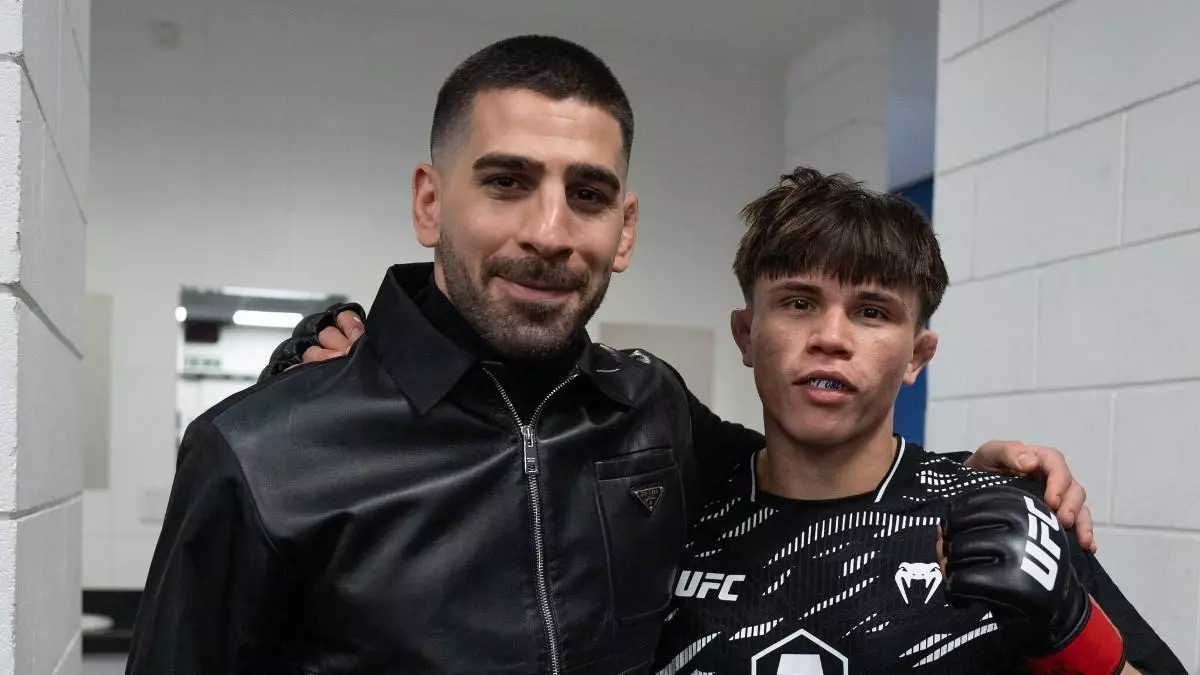
Lone’er Kavanagh is no longer being discussed as a promising name with potential. After his breakthrough performance in Mexico, he is being treated as an immediate problem in the flyweight conversation, and that shift gives new weight to an old remark from Ilia Topuria. The warning now circulating again in Spanish sports coverage is simple and sharp: Topuria had already identified Kavanagh as a fighter who could become a serious issue in the division. What looked like a passing assessment at the time now reads like high level pattern recognition from a champion who understands how quickly danger develops in the UFC.
The key point is not only that Kavanagh won, but how the win changed perception. In mixed martial arts, one upset can instantly move a fighter from prospect status to strategic variable, especially when the result comes against an established name on a major card. Once that happens, the conversation inside the sport changes from talent projection to matchup risk. Coaches, contenders and matchmakers stop asking whether the athlete is real and start asking who can solve him. That is the stage Kavanagh appears to be entering, and it explains why Topuria’s earlier comment now feels less anecdotal and more diagnostic.
What makes Topuria’s warning relevant is the type of credibility he brings to fighter evaluation. Elite champions often recognize threat profiles before the media cycle does, because they read timing, composure, adaptability and competitive temperament differently from casual observers. They are not only watching highlights. They are reading decision making under pressure. If Topuria flagged Kavanagh early as someone who would become a problem, he was likely identifying qualities that do not always show up in headline metrics but become decisive once the level rises.
Kavanagh’s rise also fits a broader UFC pattern that repeats across divisions. The organization is built on accelerated hierarchy changes, where fighters can move from developmental narrative to contender relevance in a single high visibility performance. That dynamic creates constant volatility in matchmaking and reshapes divisional planning faster than traditional rankings logic would suggest. In practical terms, a fighter like Kavanagh does not need years of slow narrative construction if he can produce wins that force the division to reorganize around him. The UFC rewards disruption, and Kavanagh is now being read through that lens.
There is a second layer to the Topuria angle that makes the story more compelling. Topuria’s public image is usually tied to his own trajectory, his rivalries and his title level ambitions, not to scouting language about fighters in other weight classes. When a figure like him singles out a name before the mainstream attention arrives, the remark carries a different type of authority. It suggests a fighter’s eye rather than a promotional script. That is why the resurfacing of his warning matters now. It gives context to Kavanagh’s moment and frames it as part of a longer arc, not a random surprise.
From a divisional standpoint, the implications are immediate even if they are not yet definitive. A dangerous new entrant changes the risk calculus for everyone near contention because he can become the opponent that established names prefer to delay and matchmakers are tempted to accelerate. This tension is common in UFC divisions with active turnover. Veterans protect ranking position, contenders seek title timing and rising fighters seek one signature matchup to break the queue. Kavanagh’s recent impact places him directly inside that equation, which means his next booking will be read as a signal of how seriously the promotion wants to push him.
The media treatment of this story also reveals something about how fight narratives are built. Sports coverage often returns to earlier quotes once a result appears to confirm them, creating a retroactive coherence that audiences find compelling. Sometimes that process is exaggerated. In this case, however, the rediscovered warning works because it aligns with what the cage has now shown. The result did not create the idea that Kavanagh is dangerous. It validated an assessment that had already been made by someone whose credibility in combat analysis is unusually high.
What comes next for Kavanagh is the real test. Breakthrough performances create visibility, but sustained relevance in the UFC depends on adaptation once opponents begin preparing specifically for your strengths. The division will now study him differently, game plan him differently and pressure him differently. If he responds well, Topuria’s warning will look even more prescient and Kavanagh’s rise will stop being a surprise story and become a contender story. For now, the message is already clear: the danger Topuria pointed to is no longer a future possibility. It has entered the present tense of the UFC.
La narrativa también es poder. / Narrative is power too.