

 Phoenix 24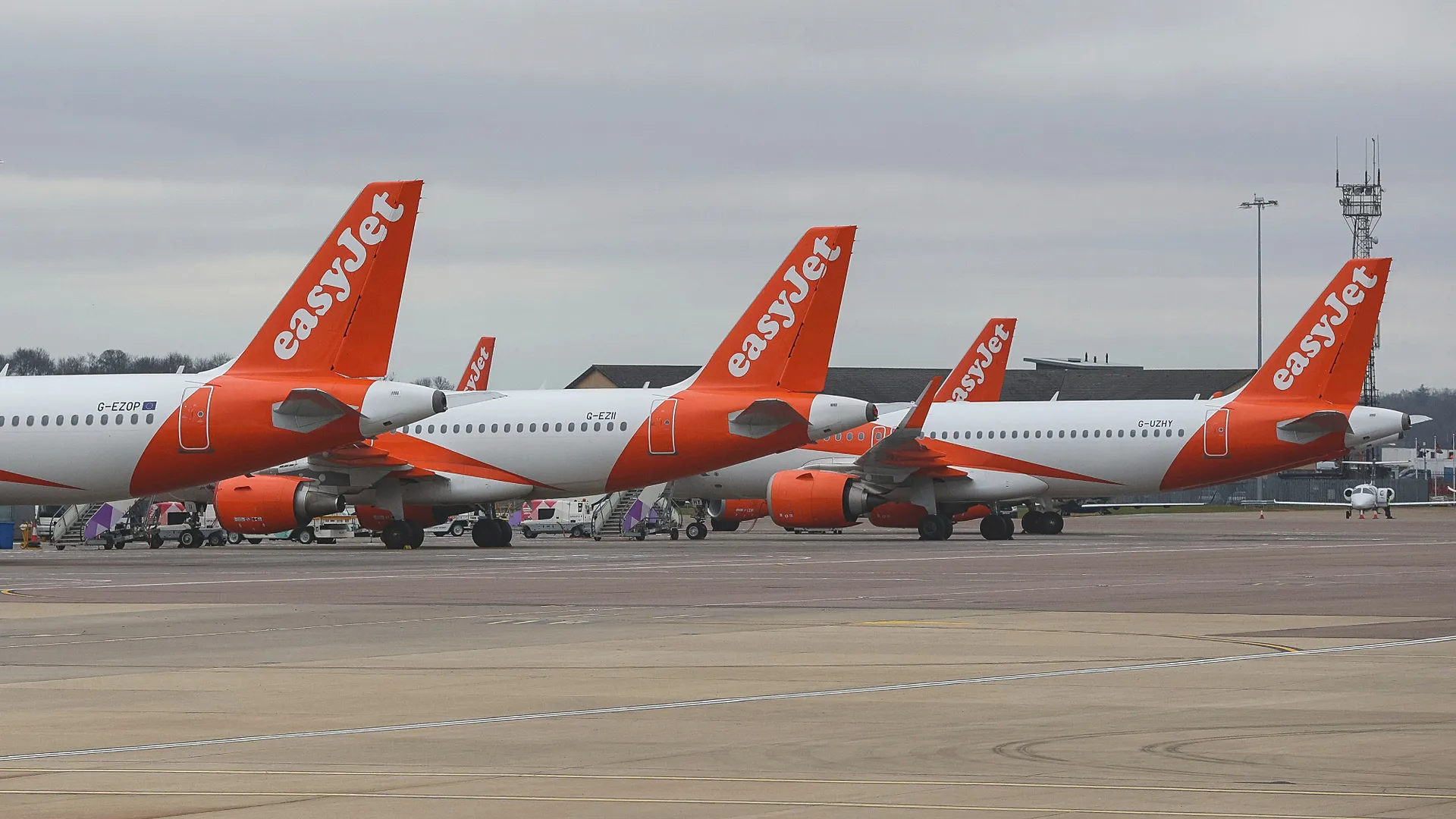
Low-cost travel is entering regulatory turbulence.
Rome, May 2026. Italian competition authorities opened an investigation into easyJet over allegations of abusive baggage pricing practices, intensifying scrutiny of the low-cost airline model across Europe. Regulators are examining whether additional fees for cabin and checked luggage were structured in ways that may distort transparency and unfairly pressure consumers during the booking process.
The case reflects a wider European frustration with the fragmentation of airline pricing. What once appeared to be inexpensive tickets increasingly becomes a layered payment structure where passengers face extra charges for baggage, seat selection, boarding priority and even basic travel flexibility. For regulators, the issue is no longer only commercial strategy. It concerns whether consumers can genuinely compare prices in a fair and understandable way.
Italy has become one of the most aggressive countries in Europe regarding airline consumer protection. Authorities previously challenged dynamic pricing systems and fee structures used by major carriers, arguing that some practices exploit behavioral pressure during online purchasing. The easyJet investigation now signals that ancillary revenue models themselves are moving closer to the center of regulatory debate.
For airlines, baggage fees are financially critical. Low-cost carriers depend heavily on ancillary income to maintain competitive ticket prices while offsetting fuel volatility, labor costs and operational pressure. Restricting or redesigning those charges could affect profitability across the sector, particularly in a European market already facing intense competition and slowing consumer spending.
The political dimension is becoming harder to ignore. Air travel in Europe is increasingly treated not only as a private commercial service, but as part of essential mobility infrastructure tied to tourism, labor circulation and economic integration. As ticket structures become more complex, governments face pressure to intervene in defense of pricing clarity and consumer trust.
The investigation therefore extends beyond one airline. It reflects a larger confrontation between platform-style pricing logic and regulatory attempts to preserve transparency in everyday economic life. In modern travel, the cheapest ticket is often no longer the cheapest journey.
Phoenix24: clarity in the grey zone. / Phoenix24: claridad en la zona gris.