

 Phoenix 24
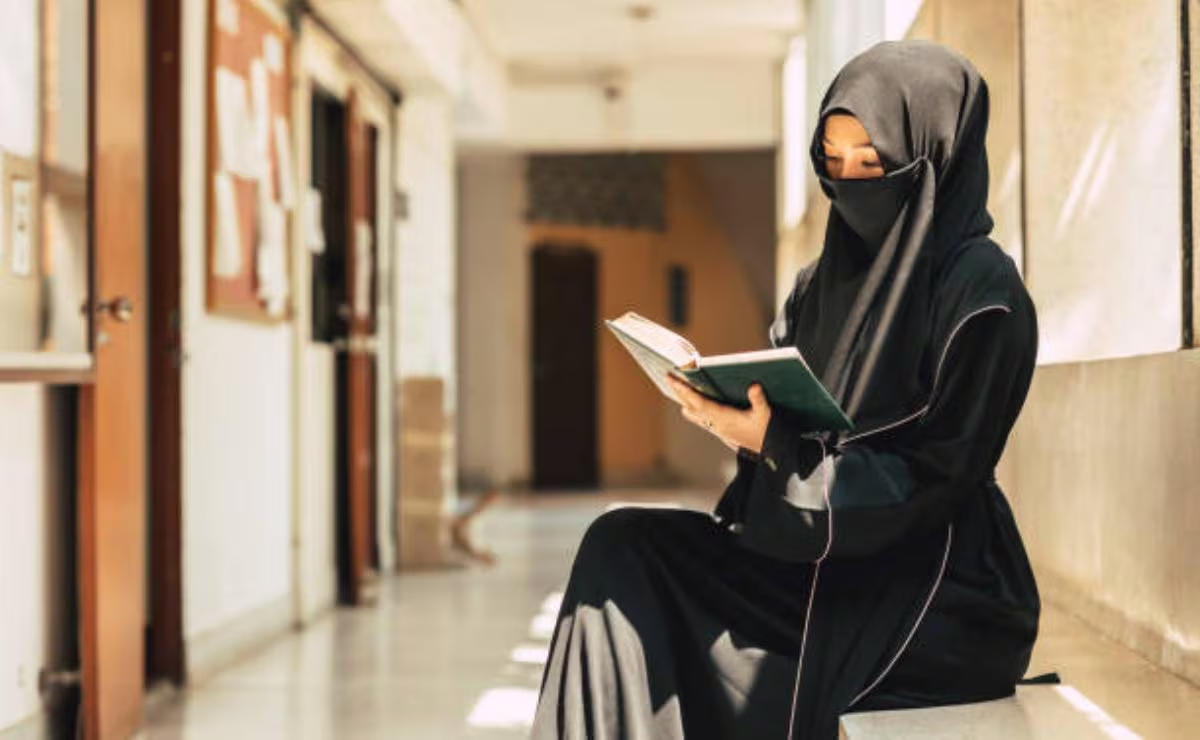
New education rules intensify debate over integration and individual rights.
ROME, ITALY
Italy’s parliament has approved a controversial education reform introducing restrictions on the concentration of certain foreign students in classrooms and prohibiting face-covering garments in schools. The legislation, backed by Prime Minister Giorgia Meloni’s governing coalition, has intensified a national debate over immigration, educational inclusion and religious freedom.
The Chamber of Deputies gave final approval to the government’s Decreto Scuola on November 26, with 142 lawmakers voting in favor, 112 against and four abstaining. The Senate had already endorsed the legislation on November 20, completing parliamentary approval of Decree-Law No. 170 of September 30, 2026.
One of its most disputed provisions establishes a 30% ceiling for certain students without Italian citizenship in first-year primary and secondary school classes, beginning with the 2027-2028 academic year. The restriction is not a blanket limit on foreign children. It applies according to educational background, including whether students were born in Italy or have completed specified periods of schooling within the national education system.
Under the new framework, educational authorities may redistribute affected students among nearby schools when classroom limits cannot be respected. The government presents the measure as an effort to improve linguistic integration and avoid concentrating pupils who require additional language support in individual classrooms.
Critics argue that the policy risks separating children according to their backgrounds rather than addressing educational inequalities through additional teaching resources. Opposition lawmakers protested during the parliamentary vote, warning that the legislation could undermine inclusion and create unnecessary difficulties for migrant families.
Another controversial provision prohibits garments that conceal the face and prevent identification during school activities. The restriction effectively affects the burqa and niqab, while the hijab, which covers the hair but leaves the face visible, remains permitted.
Violations may result in administrative penalties ranging from €200 to €1,000, with parents potentially liable when minors are involved. Exceptions are предусмотрены for documented health requirements and specific educational activities.
Education Minister Giuseppe Valditara has defended the reforms as measures intended to improve integration, reinforce educational standards and uphold principles of equality. The opposition disputes that interpretation, maintaining that the legislation places insufficient emphasis on classroom resources, teacher shortages and meaningful educational support.
The reform also introduces obligations concerning Italian-language learning opportunities for foreign parents experiencing persistent communication barriers. Schools may refer relevant situations to social services, which can arrange free language courses and additional family assistance. Failure to attend compulsory courses may lead to financial penalties.
Beyond immigration and religious expression, the legislation contains significant changes affecting educational publishing. Publishers must make digital versions of school and university textbooks available at prices at least 50% below their printed equivalents.
The Italian Publishers Association has criticized the requirement, arguing that compulsory discounts could undermine the economic sustainability of educational publishing and create difficulties for copyright protection.
Additional provisions address disability support, teacher recruitment, school funding and digital education, placing the disputed restrictions within a broader restructuring of Italy’s education system.
The parliamentary decision highlights a wider European disagreement over how schools should balance cultural diversity, national integration policies and individual freedoms. Its practical consequences will depend on implementation, access to educational resources and whether the restrictions improve learning conditions without increasing social exclusion.
Behind Every Decision, a Larger Consequence.