

 Phoenix 24
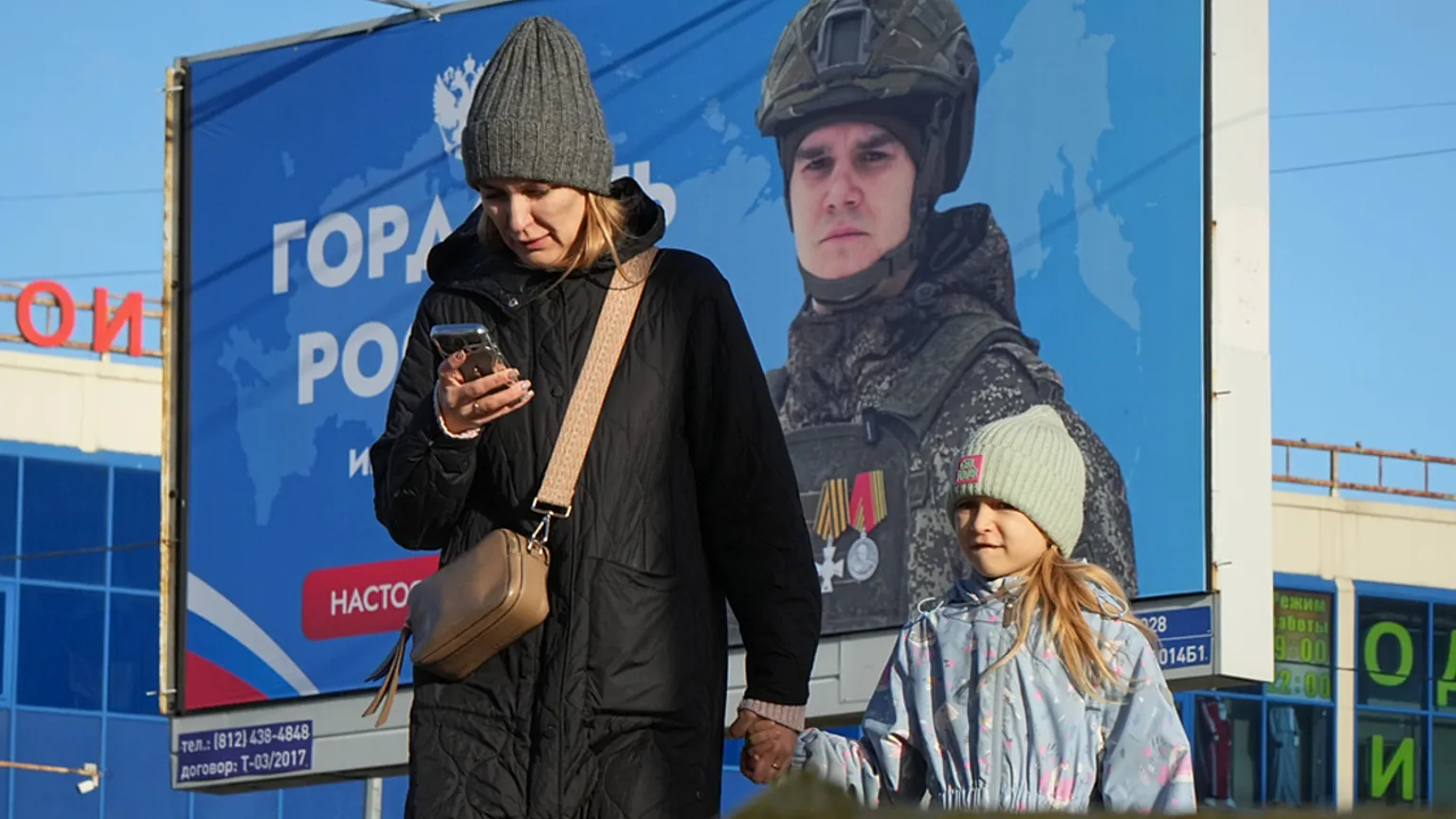
New evidence exposes the human cost of prolonged warfare.
Moscow, Russia
A massive leak of confidential Russian government records has revealed that at least 490,000 Russian military personnel have died since Moscow launched its full-scale invasion of Ukraine in February 2022, according to an investigation by independent media organisations. The findings, based on death registration data obtained from Russia’s Federal State Statistics Service, Rosstat, provide one of the most extensive documentary assessments of the war’s human cost. Researchers from Mediazona and Meduza estimate that the actual death toll could exceed 700,000 when accounting for missing personnel and deaths not yet registered. The figures remain independent estimates rather than casualty totals officially acknowledged by the Russian government.
The investigation followed a cyberattack carried out by the Belarusian Cyber Partisans and the Ukrainian hacker collective Silent Crow, which announced that it had penetrated Rosstat’s internal systems in early November. The groups obtained extensive government databases containing civil registration records, demographic information and causes of death. Independent journalists subsequently examined millions of entries, comparing the information with inheritance records, court documents and previously identified military fatalities. Mediazona reported that the cross-checking process provided strong evidence of the database’s authenticity, although the Russian authorities have not endorsed the investigators’ conclusions.
The distinction between documented deaths and estimated total fatalities is central to understanding the findings. The 490,000 figure reflects military deaths identified through civil registration records covering the period through late September 2026. It excludes many soldiers whose deaths have not been formally recorded, including personnel still classified as missing in action. Using statistical methods drawn from actuarial science and epidemiology, Meduza and Mediazona estimated that the number of Russian military fatalities had probably reached approximately 720,000 by early autumn, while acknowledging substantial uncertainty surrounding more recent deaths.
Other investigative organisations reached broadly comparable conclusions regarding registered fatalities. Important Stories estimated approximately 499,000 deaths, while The Insider identified a lower figure of around 472,000. The differences reflect methodological choices, data classification and the inclusion or exclusion of particular categories of personnel. The results nevertheless indicate that the officially recorded human cost is considerably higher than the figures publicly acknowledged by Moscow, which has not released a comprehensive updated military death toll.
The geographical distribution of fatalities reveals another significant dimension of the conflict. Russia’s Far Eastern territories and several regions of Siberia have experienced particularly severe losses relative to their populations. According to the investigation cited by Euronews, the Jewish Autonomous Oblast recorded approximately 1,000 military deaths per 100,000 residents, compared with around 63 per 100,000 in Moscow. Other heavily affected regions include Zabaykalsky Krai, Chukotka and Tuva, highlighting the uneven demographic burden carried by communities far removed from Russia’s political and economic centre.
These disparities carry important socioeconomic implications. In regions with limited employment opportunities, military contracts and recruitment incentives can represent a significant source of income, potentially increasing participation among economically vulnerable populations. The loss of working-age residents can also affect household stability, local labour markets and long-term demographic development. However, regional mortality figures alone cannot establish individual recruitment motivations or demonstrate that economic conditions explain every variation in military losses.
The leaked records provide additional insight into the nature of deaths associated with the conflict. Investigators reported that explosive weapons and fragmentation injuries accounted for a substantial majority of documented military fatalities, reflecting the destructive role of artillery, drones and other modern battlefield systems. The files also contained records of deaths associated with suicide, alcohol consumption and other causes unrelated directly to combat. Such findings suggest that the human consequences of prolonged military operations extend beyond conventional battlefield statistics, although individual medical classifications and circumstances require careful interpretation.
The political significance of the investigation lies partly in the limited availability of independently verifiable Russian military information. Rosstat previously acknowledged cyberattacks against its systems but stated that it had found no evidence of confidential data being compromised. Russian authorities have also restricted access to certain statistical records during the war, complicating attempts to reconstruct the full scale of military losses. The new investigation narrows some of these information gaps without eliminating uncertainty surrounding missing personnel, unregistered deaths or the precise circumstances of individual fatalities.
The findings also raise broader questions about the sustainability of Russia’s military campaign. High personnel losses can increase recruitment requirements, place pressure on military training systems and affect the availability of experienced soldiers. Their demographic and economic consequences may persist long after active combat ends. Nevertheless, casualty figures alone cannot determine the future course of the war, the operational effectiveness of Russian forces or the likelihood of a political settlement.
Ukraine’s own military and civilian losses remain an equally important dimension of the conflict, although their full extent is also difficult to establish independently. The newly examined Russian records do not provide a comprehensive assessment of Ukrainian casualties, nor do they measure the overall humanitarian destruction caused by the invasion. A complete historical accounting will require reliable documentation from multiple sources and continued scrutiny of official and independent estimates.
Beyond the statistical magnitude, the investigation demonstrates how institutional secrecy can complicate public understanding of the human consequences of war. Hundreds of thousands of recorded deaths represent families, communities and social structures permanently affected by decisions made far from the battlefield. Whether the ultimate Russian death toll is closer to the documented minimum or the higher statistical estimate, the evidence reveals a scale of loss that demands sustained examination. The unresolved question is not merely how many soldiers have died, but how societies confront the political and human consequences of a war whose full cost remains difficult to establish.
Beyond the Numbers, the Consequences.