

 Phoenix 24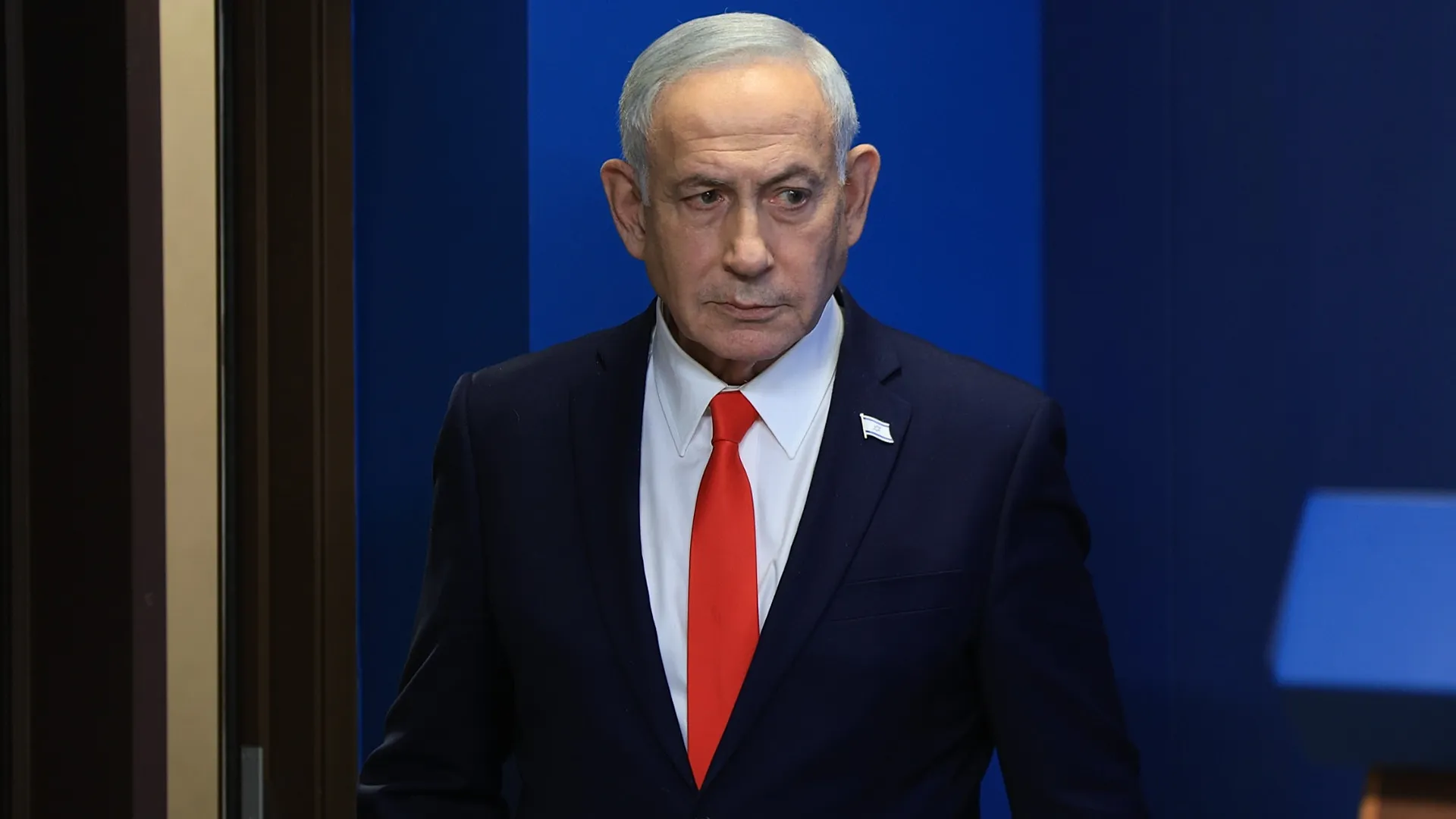
The conflict now turns on who moves first.
Jerusalem, August 2026.
Israel has rejected a new 15-point United States roadmap intended to advance the second phase of the Gaza peace process, despite Hamas having accepted the proposal in principle. Prime Minister Benjamin Netanyahu announced the decision during a cabinet meeting on Sunday, declaring that Israeli forces would not withdraw from the territory until Hamas had been genuinely and completely disarmed. The disagreement places the sequencing of disarmament and military withdrawal at the center of the stalled negotiations. It also creates a rare public divergence between Netanyahu and US President Donald Trump over the next stage of the Gaza settlement.
The proposal was presented in late July by Trump’s Board of Peace following months of negotiations over security, governance and reconstruction in the Palestinian territory. It calls for Hamas and other armed groups to surrender their weapons while Israeli forces gradually withdraw from Gaza. The roadmap also proposes transferring civilian authority to an independent Palestinian technocratic administration supported by an international stabilization force. Its implementation is intended to move the conflict beyond the initial ceasefire framework and establish the conditions for long-term reconstruction.
Netanyahu said Israel would not accept a process in which withdrawal begins before Hamas relinquishes its entire arsenal. He specified that the demand includes heavy weapons, lighter arms and all remaining military capabilities, insisting that any disarmament must be real rather than symbolic. The Israeli military, he added, would continue acting against threats to its personnel and civilians while those conditions remained unmet. His position effectively rejects the simultaneous, phased formula at the core of the American proposal.
Hamas responded by urging Washington and other mediators to pressure the Israeli government to honor the roadmap. A Hamas official said the organization remained prepared to implement the US-backed plan and accused Netanyahu of obstructing the process for domestic or electoral reasons. The group maintains that disarmament must occur alongside an Israeli withdrawal and a halt to military operations, rather than as a condition to be completed beforehand. That difference has transformed a technical sequence into the principal political barrier facing the negotiations.
Trump announced the proposed agreement after Netanyahu’s recent visit to the White House, describing it as a historic opening for Gaza. The American initiative seeks to connect demilitarization with Israeli withdrawal, transitional Palestinian governance, international security assistance and reconstruction. Hamas had already dissolved its de facto governmental structure in Gaza and expressed readiness to transfer administrative responsibilities to a Palestinian committee of technocrats. Israel, however, dismissed that earlier step as insufficient because Hamas retained weapons and continued exercising influence within the territory.
The latest dispute reflects the difficulty of moving from a ceasefire arrangement to a permanent political and security framework. The first phase reduced major hostilities and addressed immediate issues surrounding Israeli hostages and Palestinian prisoners, but the second phase has repeatedly stalled over disarmament, territorial control and the future administration of Gaza. Israel continues to hold substantial areas of the enclave, while Hamas remains present in zones outside direct Israeli control. Neither side has accepted a mechanism that would require it to surrender its strongest leverage before receiving guarantees from the other.
Verification represents another unresolved challenge. Israel is demanding evidence that Hamas has dismantled its military infrastructure and surrendered all categories of weapons before troops begin withdrawing. Hamas, in contrast, wants the process supervised through reciprocal steps, arguing that unilateral disarmament would leave it without protection or assurance that Israel would complete its withdrawal. An international verification body and stabilization force have been proposed to oversee compliance, but their authority, composition and operational reach remain under negotiation.
The confrontation is unfolding as Netanyahu faces pressure from hardline members of his governing coalition and prepares for an Israeli election scheduled for October. Several of his political allies oppose concessions that could allow Hamas to retain any military or governing role in Gaza. At the same time, the Trump administration is seeking tangible progress in a diplomatic initiative it has presented as a foundation for broader regional stability. Netanyahu’s rejection therefore carries consequences beyond Gaza, testing Washington’s ability to influence its closest Middle Eastern ally.
For Gaza’s civilian population, the deadlock threatens to delay reconstruction and the restoration of essential services. Large areas remain devastated, much of the population has been displaced and international efforts to rebuild housing, hospitals, schools and infrastructure depend on a durable security arrangement. Without agreement on governance and demilitarization, foreign governments remain reluctant to deploy personnel or commit the resources required for long-term recovery. Continued uncertainty also increases the risk that localized military operations could weaken the existing ceasefire framework.
The roadmap has not been formally abandoned, and mediators are expected to continue negotiating its terms. The immediate obstacle is no longer whether disarmament and withdrawal should occur, but the order, verification and guarantees attached to each step. Hamas wants Washington to compel Israel to implement the phased plan, while Netanyahu insists that Israeli security demands must come first. The second phase of the Gaza process remains suspended between those incompatible positions.
Geopolítica, sin maquillaje. / Geopolitics, unmasked.