

 Phoenix 24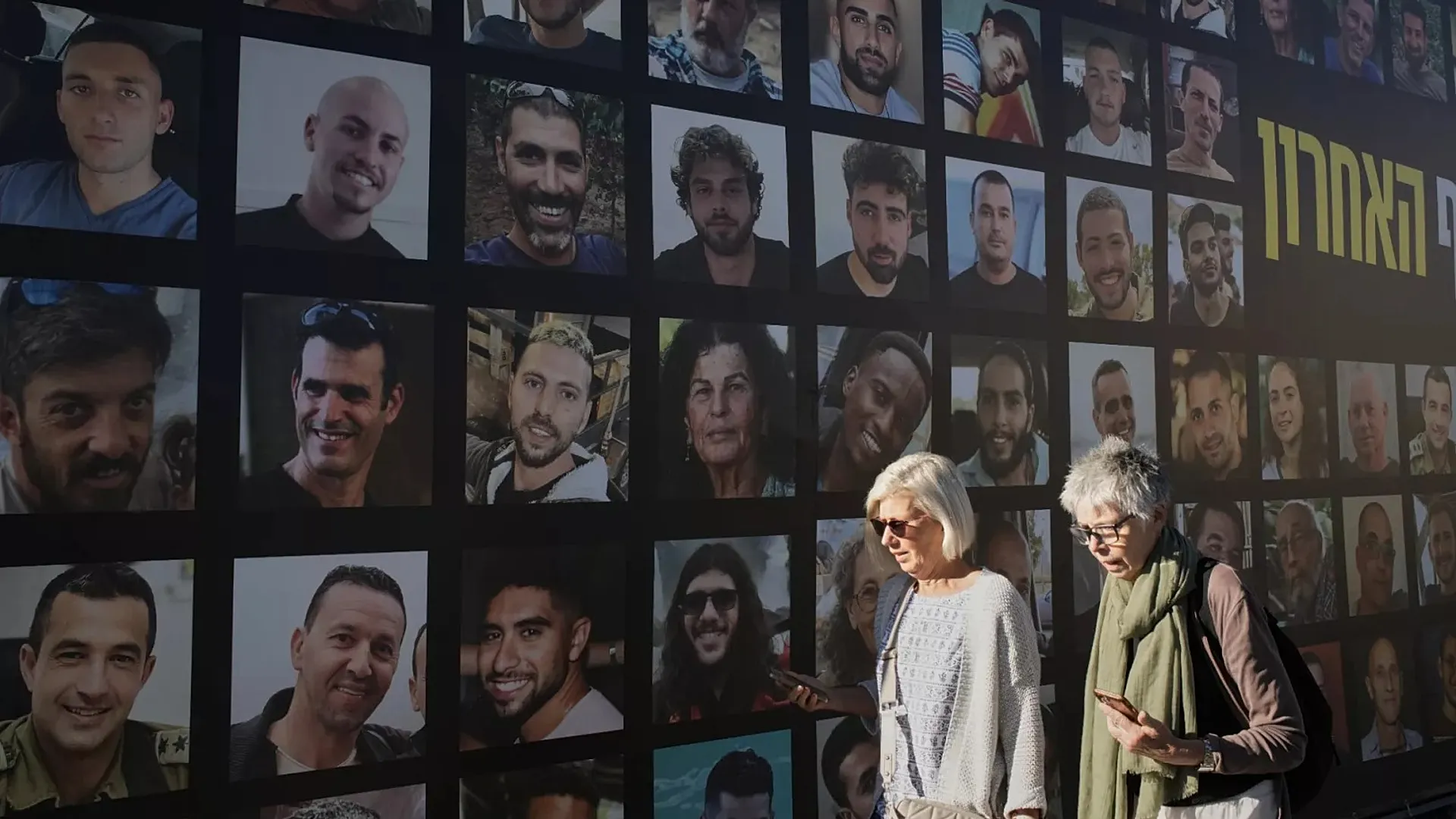
Israel Awaits Final Hostage Release as Deadline for Hamas Nears
The fragile truce now depends on a countdown: critical hours separate diplomacy from a new wave of violence.
Gaza, October 2025. Israel has confirmed that the deadline for the release of the last remaining hostages held by Hamas expires early Monday morning, as military surveillance tightens and mediators from Egypt and Qatar attempt to hold the ceasefire together. According to government officials in Tel Aviv, the agreement stipulates that all surviving captives must be handed over to the International Committee of the Red Cross before the deadline runs out.
The deal, achieved after weeks of indirect negotiations, includes a parallel exchange for Palestinian prisoners held in Israeli facilities. Authorities in Jerusalem stated that the government will “fulfil its commitments as long as Hamas complies fully with the delivery of every hostage,” adding that verification teams are already positioned near the designated transfer points.
In southern Gaza, aid convoys and international observers have been stationed around key crossings in anticipation of the exchange. Humanitarian organizations say that the release of the hostages would unlock the next phase of the truce, allowing for expanded access to food and medical supplies throughout the enclave. The United Nations has described the situation as “delicate but potentially decisive,” warning that any delay could trigger a rapid breakdown of the current calm.
On the ground, uncertainty prevails. Israeli intelligence sources admit that confirming the status of every hostage has proven difficult. Some are believed to have been moved several times during bombardments; others remain unaccounted for. Military spokespeople indicated that recovering the bodies of victims may complicate the verification process but insisted that all operational channels remain open.
In Tel Aviv, families of the abducted continue to gather outside government buildings demanding full transparency and immediate action. Their vigils have become a national symbol of endurance and grief. Israeli media reported that security units are preparing for multiple scenarios — including the possibility that not all hostages will be released on time.
Hamas, for its part, has signaled through intermediaries that it “intends to comply” but seeks additional guarantees regarding the treatment of released Palestinian prisoners and the flow of humanitarian aid into Gaza. Regional observers note that even minor disagreements over the sequence of transfers could stall the fragile process and reignite hostilities within hours.
International pressure has mounted. European and Arab diplomats emphasized that this exchange represents the last opportunity to transform a temporary ceasefire into a structured path toward stability. Washington has also urged both sides to “uphold their obligations fully,” while Cairo and Doha remain in constant contact with negotiators to ensure that logistics and timing are observed precisely.
Military analysts warn that if the deadline passes without completion, Israel may resume air operations against Hamas positions across the Strip. Officials privately acknowledged that contingency plans are ready should negotiations collapse. For Hamas, failure to deliver the hostages would undermine its claim of political control and risk severe retaliation.
As the deadline approaches, the region holds its breath. The release of the remaining captives is more than a humanitarian demand — it is the test that will determine whether a fragile peace can survive beyond a few news cycles. Every hour lost tightens the rope between diplomacy and renewed war.
Facts that do not bend. / Hechos que no se doblan.