

 Phoenix 24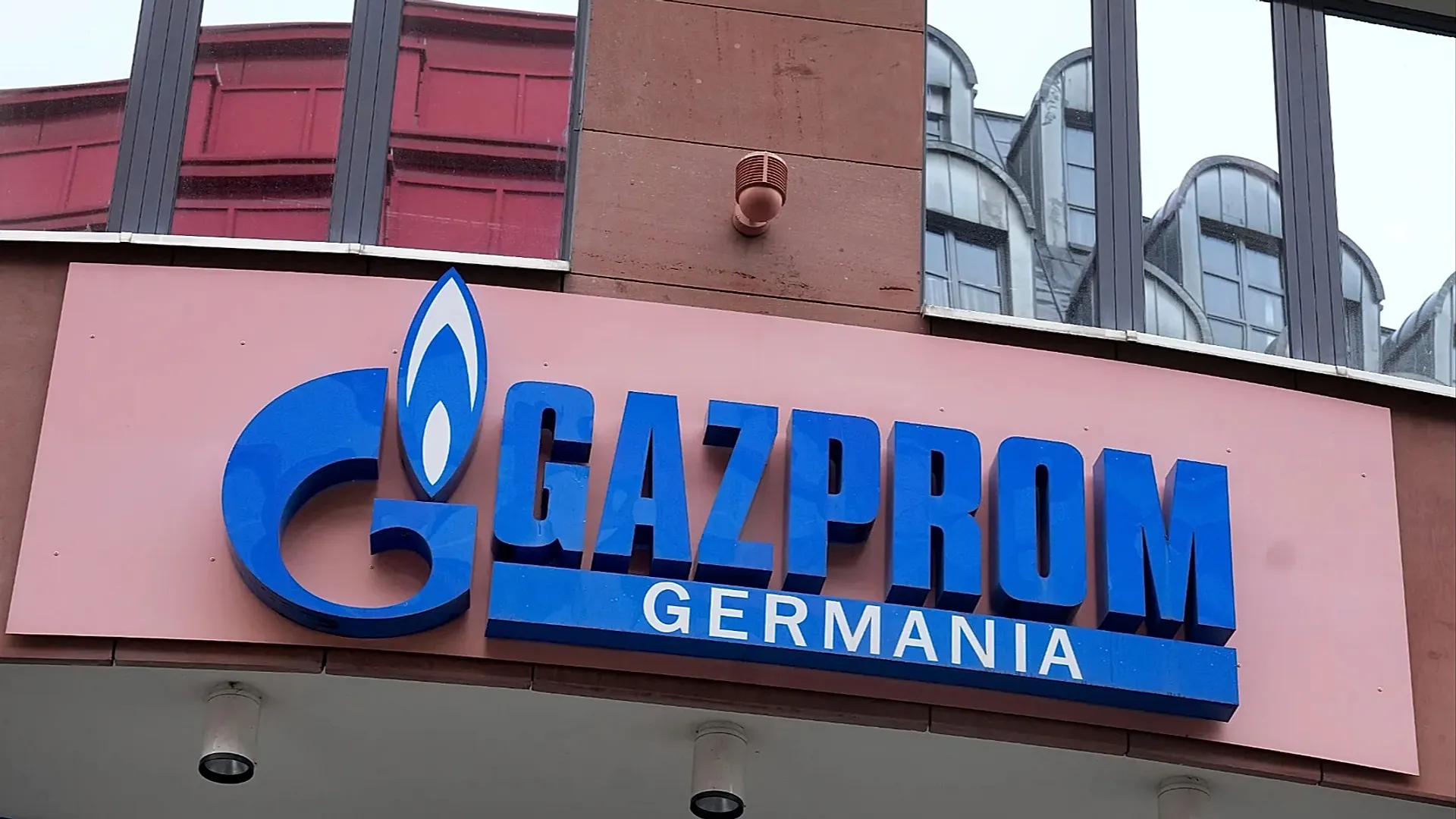
An opaque corporate move triggered a national security alarm.
Berlin, June 2026
German federal prosecutors launched searches in Berlin and Frankfurt as part of an investigation into an alleged attempt to disrupt the country’s natural gas supply through the liquidation of Gazprom’s former German subsidiary. The operation targeted premises associated with a Russian suspect, another person who is not under investigation and an unidentified company. No arrests were reported during the raids. Authorities are examining whether corporate decisions taken in 2022 formed part of a deliberate effort to weaken Germany’s energy security.
The case centers on Gazprom Germania, a Berlin-based company that once controlled a strategically significant portion of Germany’s gas infrastructure. In March 2022, shortly after Russia began its full-scale invasion of Ukraine, the subsidiary held at least one-quarter of the country’s gas storage capacity. That position made the company essential not only to commercial energy operations but also to Germany’s ability to maintain supplies during periods of geopolitical tension. Any sudden interruption to its activities could therefore have produced consequences extending far beyond an ordinary corporate dispute.
According to federal prosecutors, Gazprom Germania was separated from its Russian parent company through an opaque ownership restructuring. A Moscow-based company with no evident connection to the energy industry subsequently appeared as the new owner. The new entity then ordered the immediate liquidation of the German subsidiary. Investigators suspect the sale and attempted dissolution were designed to disrupt gas supplies inside Germany rather than serve a legitimate commercial purpose.
A Russian citizen, whose identity has not been publicly disclosed, is being investigated for allegedly helping implement the liquidation decision. Prosecutors suspect the individual of assisting violations of Germany’s foreign trade and investment rules, as well as attempted anticonstitutional sabotage. The investigation does not merely question whether administrative procedures were breached. It seeks to determine whether corporate mechanisms were intentionally used as instruments against critical national infrastructure.
Germany intervened before the liquidation could dismantle the company’s operations and storage assets. The federal government placed Gazprom Germania under provisional trusteeship in April 2022, effectively transferring operational control to German authorities. Officials justified the measure by citing uncertainty over ownership, management authority and the company’s capacity to continue performing functions essential to the national energy system. The business was later nationalized and renamed Securing Energy for Europe.
The government’s intervention occurred during an acute energy crisis in which Germany was attempting to reduce its longstanding dependence on Russian gas. For years, inexpensive pipeline supplies had supported German industry, electricity generation and household heating. Russia’s invasion of Ukraine exposed the strategic vulnerability created by that relationship. Energy flows could no longer be treated solely as commercial transactions because they had become deeply connected to sanctions, national security and political pressure.
The investigation highlights how sabotage can occur without explosives, cyberattacks or visible physical destruction. A strategically timed liquidation, transfer of ownership or withdrawal of management could potentially paralyze infrastructure while maintaining the appearance of an ordinary business decision. This makes the case particularly significant for European security agencies. It suggests that legal and corporate structures may also become channels through which hostile pressure is applied against essential services.
Germany and other European states have increased scrutiny of possible foreign interference since 2022. Authorities across the continent have investigated suspicious fires, espionage networks, cyber incidents and alleged preparations for attacks against transportation, energy and defence facilities. Moscow has repeatedly rejected Western accusations that it directs sabotage campaigns inside Europe. In the Gazprom Germania case, prosecutors have not announced evidence establishing direct instructions from the Russian government.
The raids also revive questions about how foreign investment controls should operate when overseas companies own assets vital to national survival. Traditional regulatory systems often focus on market competition, financial stability and compliance with corporate law. The German investigation demonstrates that these mechanisms must also account for geopolitical intent and the possibility that ownership itself can become a security vulnerability. Governments may consequently impose stronger controls on transactions involving energy storage, telecommunications, ports and defence-related technology.
Securing Energy for Europe continues to operate as a state-owned company responsible for maintaining reliable energy supplies. Its transformation from a Russian-controlled subsidiary into a German national asset illustrates the profound restructuring of Europe’s energy landscape since the war began. Germany has expanded liquefied natural gas infrastructure, diversified suppliers and reduced its reliance on Russian pipeline deliveries. These measures have strengthened resilience, but they have also imposed substantial financial, industrial and political costs.
The investigation remains open, and the searches represent an evidentiary step rather than proof of guilt. Prosecutors must establish whether the suspect knowingly supported a plan intended to damage Germany’s gas supply and whether the attempted liquidation met the legal threshold for sabotage. The absence of arrests indicates that authorities are still collecting documents, communications and other material. Gazprom had not issued an immediate public response to the allegations.
The broader significance of the case lies in the boundary it draws between economic conduct and national security. Germany is investigating whether an apparently corporate operation concealed an attempt to destabilize an essential public system during a period of geopolitical confrontation. Its findings could influence how European governments supervise foreign-controlled infrastructure and respond to covert forms of economic pressure. The gas network is therefore not only an energy asset, but also a frontline in Europe’s evolving security environment.
La verdad es estructura, no ruido. / Truth is structure, not noise.