

 Phoenix 24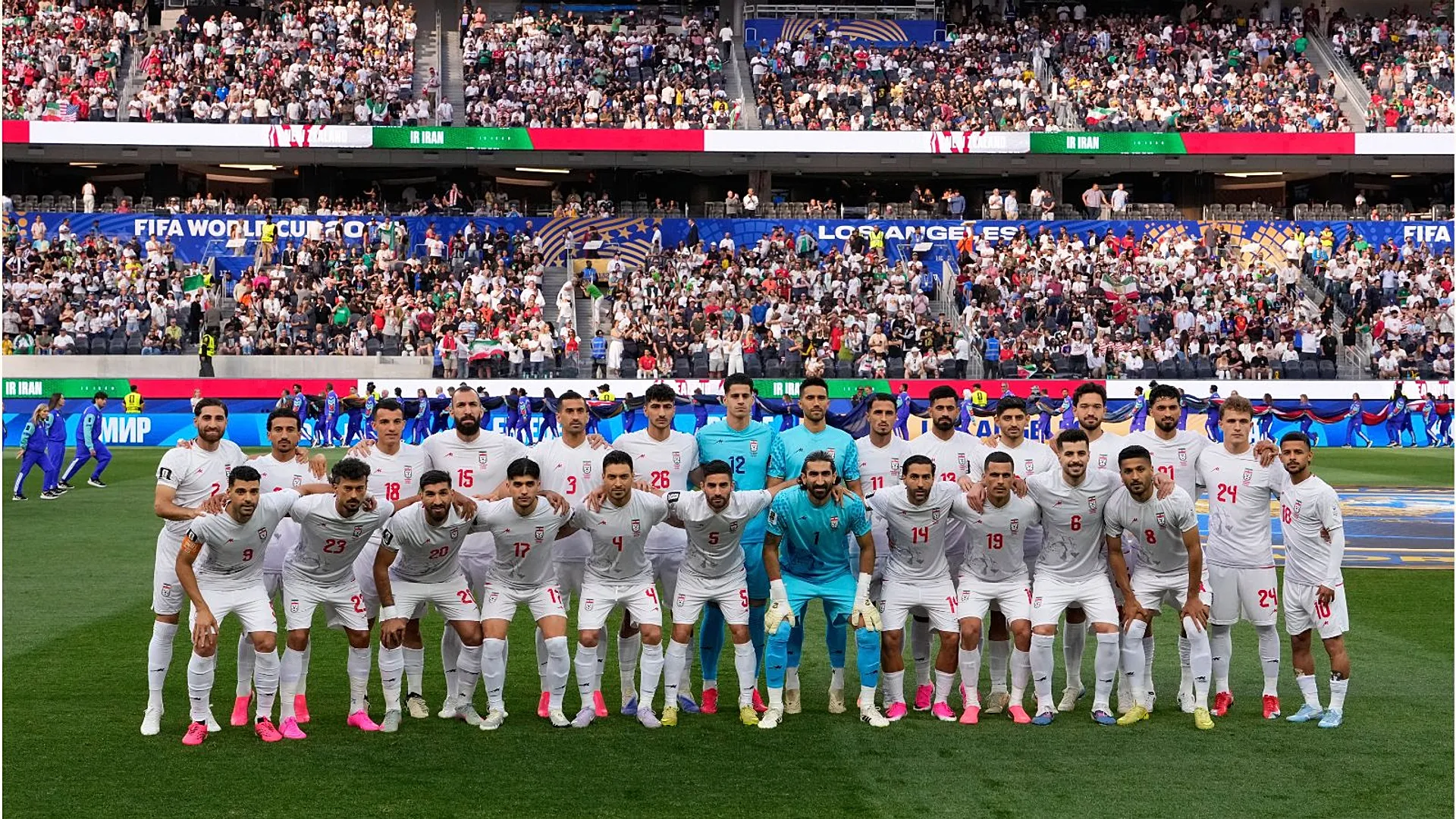
Tehran says diplomacy has not ended unequal treatment of its national team.
LOS ANGELES, UNITED STATES — June 2026. Iran’s football federation has announced that it will file a formal complaint with FIFA over the travel restrictions imposed on its national team during the 2026 World Cup. The decision came two days after Washington and Tehran separately signed a 14-point framework intended to end their recent war and establish a path toward a more durable peace. Iranian officials expected the diplomatic breakthrough to ease some of the conditions affecting players and technical personnel. However, the agreement does not include any modification of the United States immigration measures applied to Iranian citizens.
United States authorities have informed the Iranian delegation that its players may enter the country only one day before each match. The squad must then leave American territory immediately after the final whistle and return to its temporary base in Tijuana, Mexico. Iranian officials argue that these conditions interfere with training, recovery and logistical planning during the tournament. They also maintain that no other participating national team faces comparable restrictions.
The Football Federation Islamic Republic of Iran said it would pursue the matter through FIFA’s legal mechanisms. Its statement described the rules as incompatible with the principle of equal conditions for every national team competing in the World Cup. The federation believes the restrictions prevent Iran from preparing according to internationally accepted sporting standards. FIFA had not issued a formal response to the complaint when the controversy became public.
Iran experienced the practical consequences of the policy before its opening match against New Zealand in Los Angeles. The players arrived only one day before the game despite the coaching staff’s request for additional preparation time. They were required to leave the United States shortly after the 2–2 draw ended and return across the border. The original plan had been to arrive two days before every match and depart the following day to allow sufficient rest and adaptation.
Iranian forward Mehdi Taremi said the squad learned on the day of the match that it would have to leave American territory immediately afterward. The announcement reportedly disrupted the team’s recovery arrangements and reinforced concerns about the treatment of the delegation. Head coach Amir Ghalenoei subsequently described Iran as the most oppressed team in the history of international competitions. His comments reflected growing frustration among players and officials over the conditions surrounding their participation.
The Iranian federation requested permission for the team to arrive earlier in Los Angeles before its next group-stage match against Belgium. American authorities rejected the request and maintained that the established procedure would remain in effect. Iran is scheduled to face Belgium on Sunday as it seeks its first victory of the tournament. The team must again travel from its base in Tijuana shortly before the match and leave the United States after playing.
Andrew Giuliani, the White House official responsible for the task force overseeing the tournament, dismissed Iran’s objections. He said the entry and departure conditions had been communicated clearly from the beginning of the competition. Giuliani confirmed that the same procedure would apply to Iran’s matches in both Los Angeles and Seattle. Washington has presented the restrictions as established immigration measures rather than a sporting sanction.
The travel limitations extend beyond the players and coaching personnel who have received permission to cross the border. Approximately 15 members of Iran’s support staff have reportedly been denied visas by the United States. Iranian federation president Mehdi Taj is among those unable to accompany the national team during the tournament. The absence of administrative and medical personnel has added further pressure to an already complicated campaign.
Iran established its World Cup base in Tijuana because it was unable to remain permanently in the United States. All three of its group-stage matches are scheduled to take place on American territory despite the team being housed across the border in Mexico. The arrangement requires repeated international transfers that other teams based near their match venues do not face. Iranian officials contend that the logistical burden undermines the competitive balance promised by the tournament organizers.
The dispute has continued despite the framework agreement signed separately by United States President Donald Trump and Iranian President Masoud Pezeshkian. That document initiated a 60-day negotiation process intended to consolidate the fragile ceasefire and address broader political differences. It did not establish special immigration provisions for athletes or other Iranian citizens entering the United States. Football has consequently remained outside the first stage of the diplomatic normalization process.
FIFA has limited authority to overturn immigration decisions adopted by national governments and enforced by border agencies. The organization has previously stated that the implementation of immigration rules falls outside its direct jurisdiction. However, agreements with World Cup host cities require governments to guarantee a nondiscriminatory visa environment for players, officials and accredited personnel. Iran could therefore argue that the restrictions conflict with the obligations accepted by the United States as a host nation.
The Trump administration’s immigration decrees formally exempt athletes and technical personnel traveling to participate in the World Cup from broader entry suspensions. Nevertheless, border officials retain discretion over the timing and conditions under which authorized individuals may enter the country. This distinction has allowed Washington to admit Iranian players while strictly limiting the duration of their stays. Tehran argues that formal entry permission is insufficient when the conditions prevent normal tournament preparation.
FIFA has previously taken severe action when government visa policies threatened participation in an international tournament. Indonesia lost the right to host the 2023 Under-20 World Cup after authorities opposed the admission of the Israeli national team. No indication has emerged that FIFA is considering comparable action against the United States over Iran’s complaint. The political importance and scale of the 2026 World Cup make any major intervention particularly complex.
The case places FIFA between the sovereign immigration authority of a host government and its obligation to protect sporting equality. Iran wants the organization to ensure that its players receive the same preparation opportunities available to their opponents. The United States insists that the conditions were established in advance and are being applied according to national security procedures. The dispute may become an important test of FIFA’s capacity to enforce host-country commitments during politically sensitive competitions.
The peace framework may have reduced military tensions, but it has not yet removed the barriers confronting Iran on football’s largest stage.