

 Phoenix 24
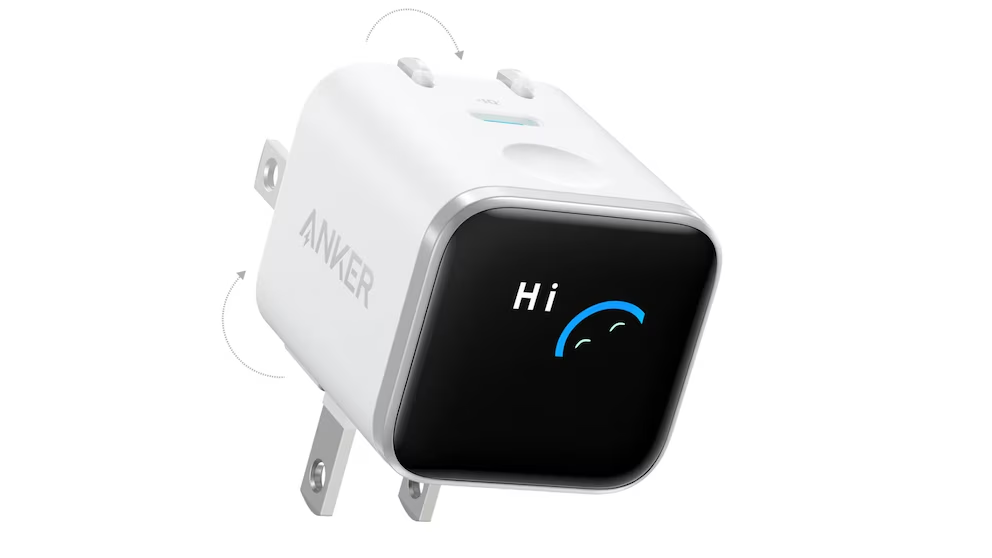
When a dominant consumer technology platform redesigns a core accessory, the implication reaches beyond convenience into the economics of device lifespan and sustainability.
Cupertino, January 2026.
Apple has introduced a new intelligent charger designed to extend the battery life of its latest iPhone models, signaling a deeper shift in how mobile devices manage power and wear over time. Unlike traditional chargers that deliver a fixed current profile, this intelligent system uses adaptive algorithms to vary charging behavior based on user habits, battery condition, and thermal feedback from the device. The goal is to reduce long-term degradation, a problem that has plagued lithium-ion batteries across the industry and one that has drawn both technical scrutiny and consumer frustration.
At the core of this innovation is a suite of sensors embedded in recent iPhone iterations, paired with firmware capable of adjusting charging rates dynamically. During overnight charging, for example, the system can slow the rate when it detects that a user typically sleeps with the device plugged in, effectively reducing stress on the battery’s chemistry. In daytime conditions, when a user needs a quick top-up, the charger can deliver higher current without pushing the battery into temperature zones known to accelerate wear. This context-aware approach reflects broader trends in portable electronics where software-driven battery management is seen as a primary lever for extending usable lifespan.
Battery health has become a central concern not only for individual users but also for the secondary market and repair ecosystems. Historically, rapid battery degradation has been a key factor in device replacement cycles, influencing total cost of ownership and contributing to electronic waste. By optimizing how and when cells receive power, manufacturers aim to defer the point at which capacity falls below user-acceptable thresholds. While precise longevity gains vary based on usage patterns, internal testing suggests that adaptive charging algorithms can slow capacity loss by a meaningful percentage relative to standard charging profiles over the same period.

Analysts in Asia and Europe watching the mobile technology sector note that Apple’s move follows a broader industry emphasis on sustainability and lifecycle extension. Competitors in various regions, from East Asian consumer electronics makers to European regulatory bodies focused on right-to-repair frameworks, have argued that hardware durability should be a priority in device design. In this context, software-mediated charging strategies serve dual functions: enhancing user experience while aligning with emerging policy expectations around repairability and long-term performance assurance.
The intelligent charger’s strategy also relies on real-time telemetry processed locally on the device, minimizing the need for cloud-dependent decision making. This design choice underscores growing emphasis on privacy and edge computing in consumer tech, where personal data stays contained within the handset rather than feeding external services. Such considerations are increasingly important in markets where data protection regulations have tightened, and consumer trust has become a competitive asset.
From a user perspective, the implementation is largely seamless. The new charger and associated battery management software operate without requiring manual adjustments, though power users can access detailed health and cycle data through system settings. This transparency allows individuals to make informed decisions about their device’s charging habits, potentially changing behavior in ways that further mitigate long-term degradation. Educators in digital literacy have pointed out that such transparency may help users understand the typically opaque domain of battery chemistry and lifecycle physics.
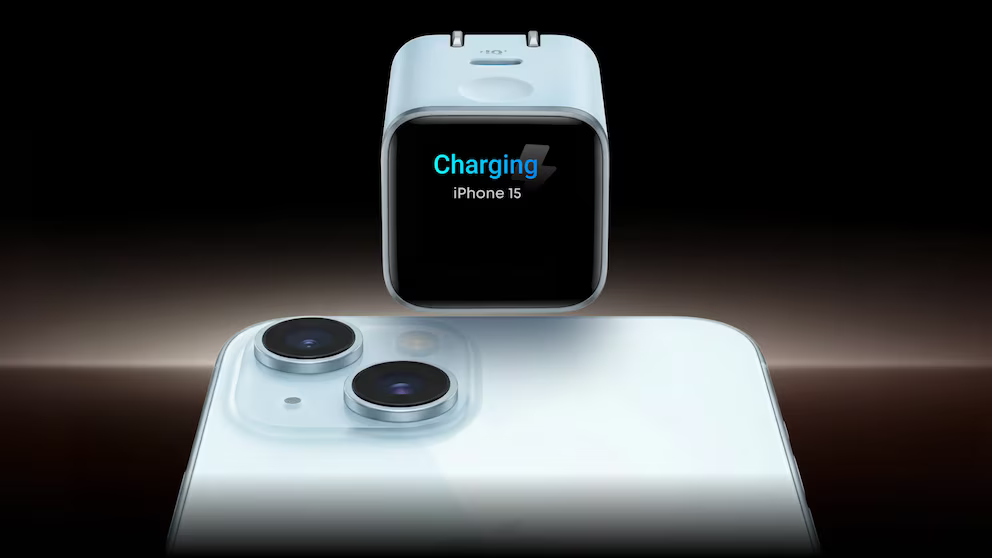
The broader significance of this development lies in its potential to influence device ecosystems at scale. Mobile platforms are no longer evaluated solely on raw performance metrics; sustainability, durability and resource efficiency have emerged as critical dimensions in consumer choice. Chargers, once seen as interchangeable accessories, are becoming integral components of the overall power strategy, moving the industry toward a more holistic conception of device stewardship.
In markets where replacement cycles are shortening and environmental concerns are intensifying, innovations like Apple’s adaptive charger may help shift expectations around how long a device should last and how its energy systems should behave over time. The interplay between hardware, software, and user behavior continues to shape what consumers perceive as value — not only in terms of speed or feature count, but in the durability and resilience of the devices they carry daily.
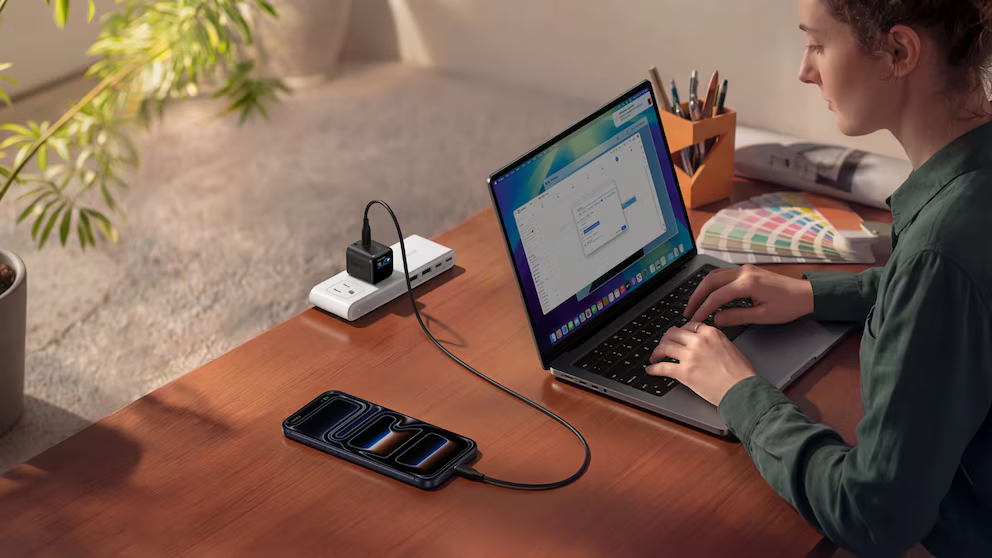
As the mobile ecosystem evolves, the intelligent charger stands as an example of how incremental, software-enabled improvements can have cumulative impacts on both user experience and broader sustainability outcomes. In an industry characterized by rapid turnover and relentless competition, such design shifts may be subtle, but their strategic implications are profound.
La verdad es estructura, no ruido. / Truth is structure, not noise.