

 Phoenix 24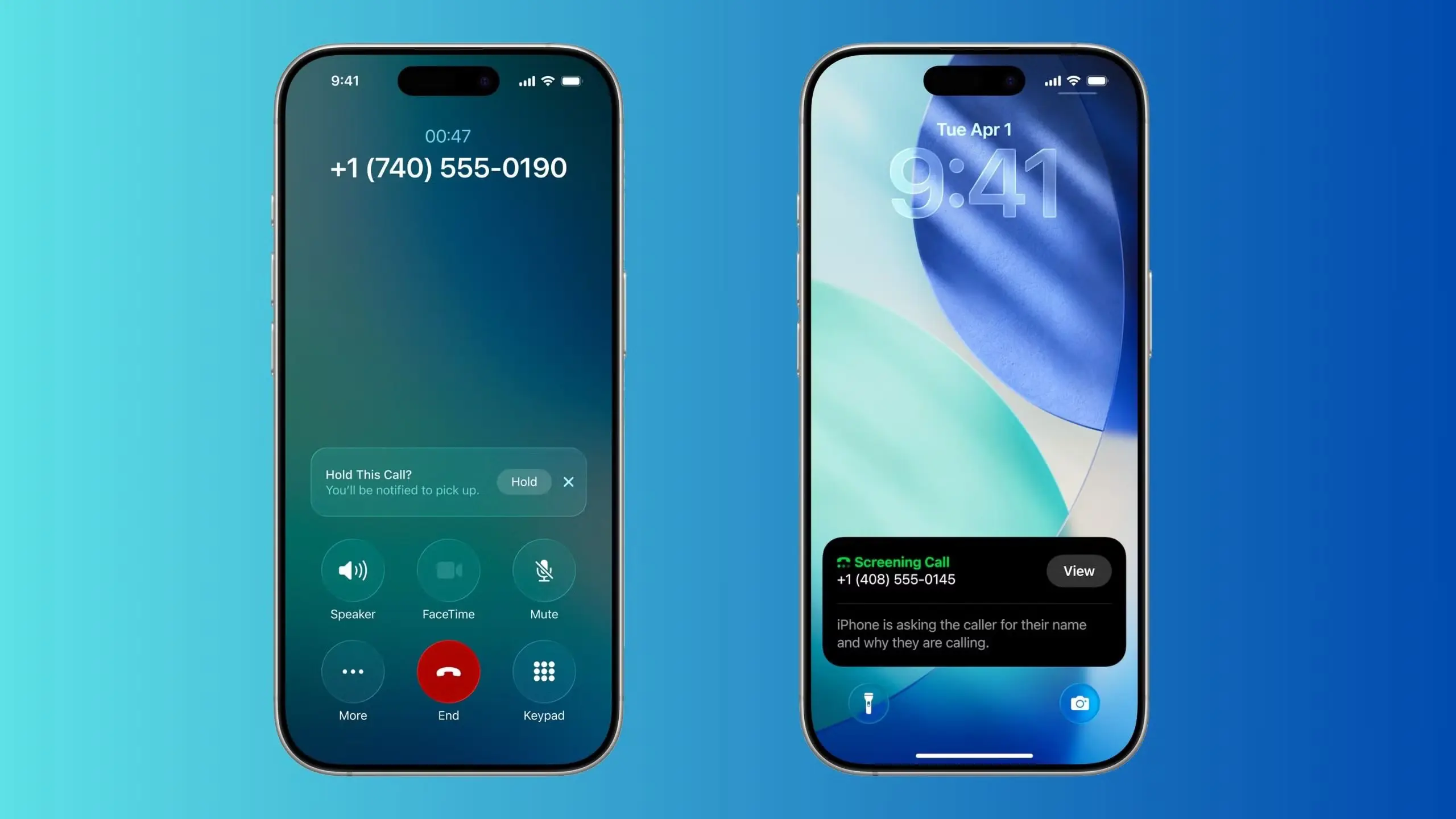
The device asks questions before it starts ringing.
CUPERTINO, UNITED STATES — July 2026. Apple’s Call Screening feature gives iPhone users greater control over calls from numbers that are not saved in their contacts. Instead of ringing immediately, the device can automatically answer and ask the caller to provide a name and explain the reason for the call. The response then appears on the screen, allowing the recipient to decide whether to answer. The system seeks to reduce interruptions caused by telemarketing, automated calls and attempted fraud.
Users can choose between different levels of protection within the Phone settings. One option allows unknown calls to ring normally, another asks callers to explain why they are calling, and a stricter alternative silences unsaved numbers and sends them directly to voicemail. These controls allow each person to determine how aggressively the iPhone should filter unfamiliar communications. Calls from saved contacts and recognized numbers can continue arriving without additional screening.
The feature does not independently verify the caller’s legal identity or confirm who owns the telephone number. It only displays the name and explanation provided by the person or automated system making the call. A fraudulent caller could therefore supply false information, although many automated spam systems may fail to complete the required interaction. The tool provides useful context, but the final decision still belongs to the user.
Apple can also separate calls identified by participating telephone carriers as possible spam or fraud. These communications may be silenced, directed to voicemail and stored in a designated section within the Phone application. Availability and behavior can vary according to the software version, language, region and mobile operator. Users should confirm that their device is updated before searching for the feature in the settings menu.
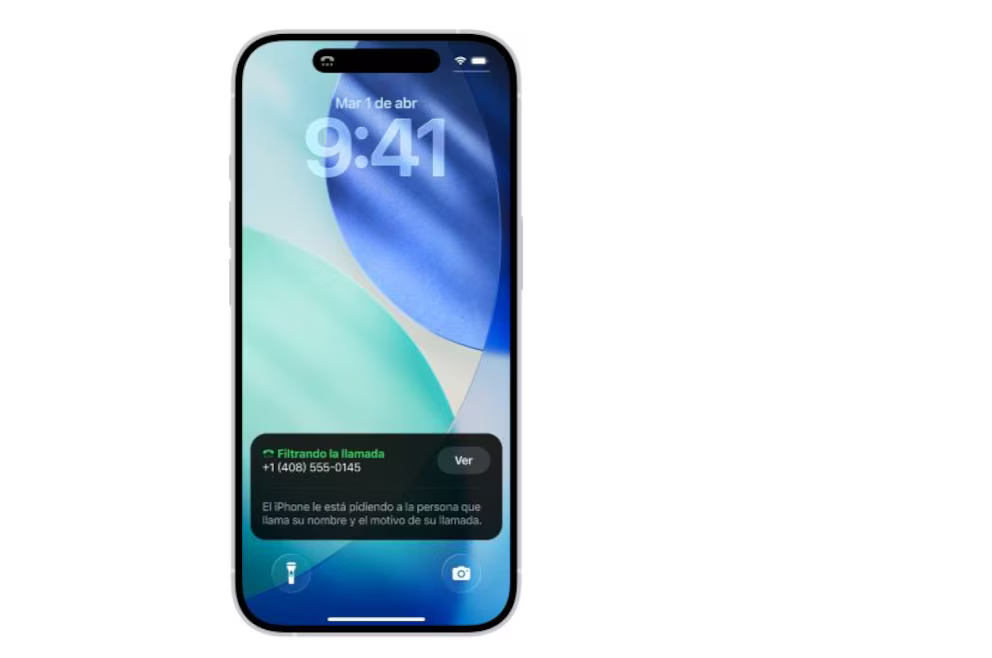
Call Screening strengthens the iPhone’s defenses against one of the most persistent forms of digital intrusion without requiring an external application. However, it does not replace basic precautions such as refusing to share passwords, verification codes or banking information. Calls that create urgency, demand immediate payments or impersonate institutions should still be treated with caution. The new barrier transforms an unexpected ring into a more informed decision.
Unknown callers must now explain themselves before gaining attention.