

 Phoenix 24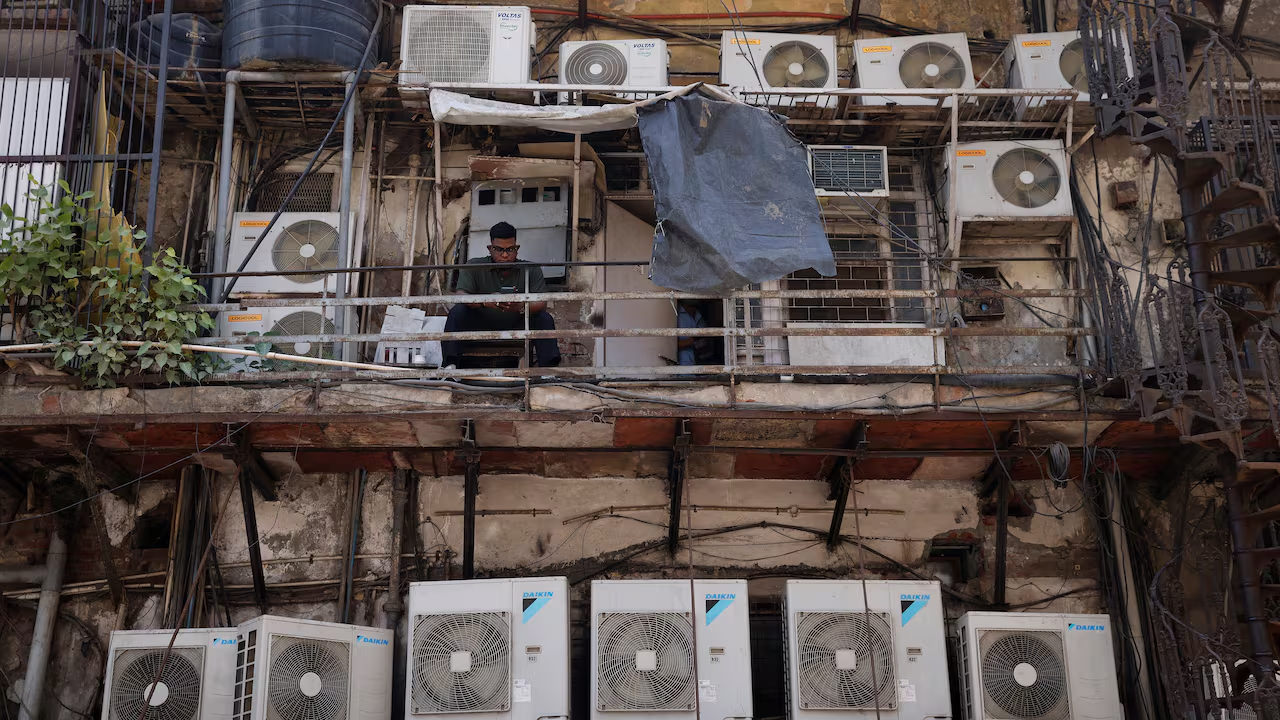
Fans improve comfort while reducing electricity consumption.
MADRID, SPAIN — July 2026. As intense summer temperatures affect large areas of Spain, households are increasingly relying on air conditioning to maintain safe and comfortable indoor environments. However, prolonged use can significantly increase electricity consumption and place additional pressure on monthly household budgets. The Spanish Organization of Consumers and Users recommends setting air-conditioning systems at approximately 25 degrees Celsius and combining them with a fan. This approach can improve air circulation while preventing the cooling system from operating at unnecessarily low temperatures.
The organization advises avoiding an indoor temperature difference greater than eight degrees compared with outdoor conditions. When the temperature outside reaches 33 degrees Celsius, for example, setting the air conditioner at 25 degrees offers a more efficient balance than attempting to cool the room to 20 degrees or lower. Every degree the thermostat is reduced can increase the appliance’s energy consumption by approximately 10 percent. Maintaining a moderate setting can therefore provide meaningful savings without eliminating thermal comfort.

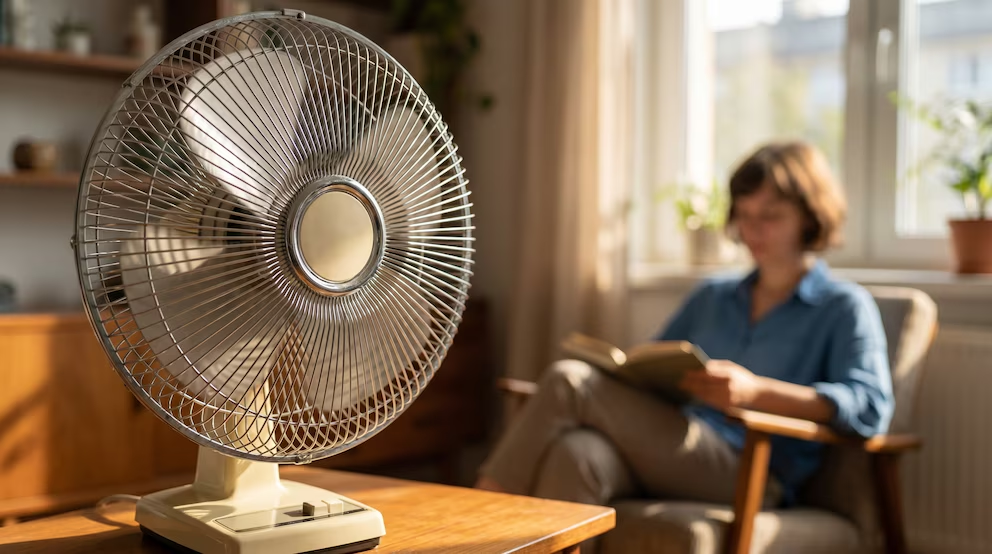
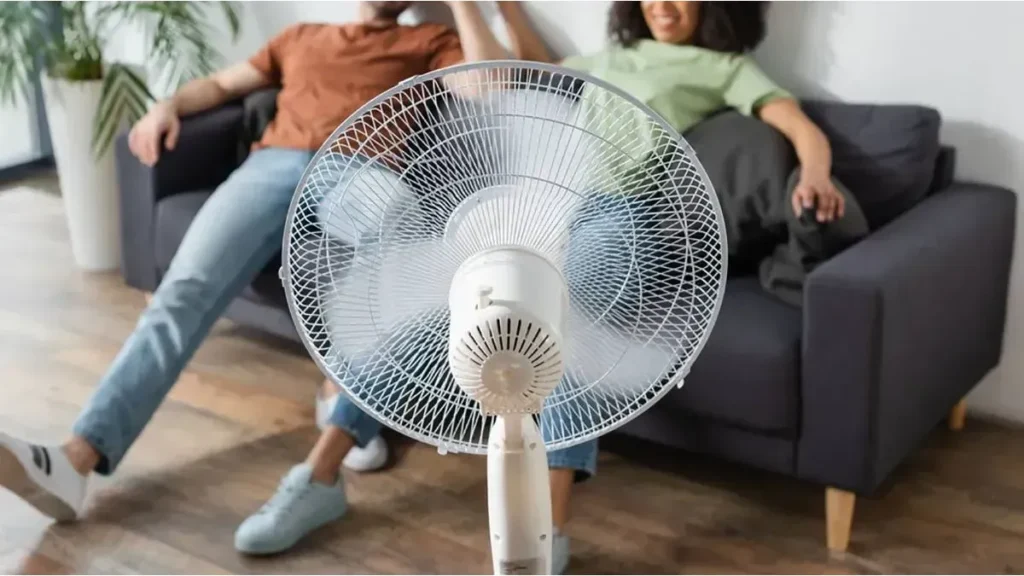
A fan can strengthen the cooling effect by distributing conditioned air throughout the room. The movement of air improves the perceived temperature, allowing occupants to feel comfortable while the air conditioner remains at 25 degrees. Fans generally require far less electricity than air-conditioning systems, making the combination more efficient than lowering the thermostat. Specialists recommend directing the airflow across the room rather than continuously toward people, as prolonged direct exposure may cause discomfort.
Modern inverter air conditioners can also reduce energy use by adjusting their operating power according to the temperature required. Instead of repeatedly switching the compressor completely on and off, the system maintains a stable indoor climate through gradual regulation. Consumers are advised to select the desired temperature and allow the appliance to operate consistently rather than manually restarting it at frequent intervals. Repeated switching can increase consumption and make it more difficult for the system to maintain stable conditions.
Eco modes and smart controls provide additional opportunities to limit electricity expenses. Some appliances allow users to program schedules, adjust temperatures remotely and prevent the air conditioner from operating inside an empty home. Depending on the model and household conditions, eco settings may reduce monthly energy consumption by as much as 30 percent. Turning the system off completely when it is not required can also prevent the small but continuous consumption associated with standby mode.
Regular maintenance is essential because dirty filters restrict airflow and force the equipment to work harder. Filters should be cleaned periodically, while unusual noises, weak cooling or unexpected increases in electricity use may indicate that the system requires professional inspection. A qualified technician can examine the refrigerant level, compressor and general condition of the appliance. Proper maintenance improves efficiency, extends equipment life and reduces the risk of breakdowns during the hottest days of the year.
Household habits can further limit the amount of heat entering the property. Opening windows during the early morning or late at night allows cooler outside air to circulate before daytime temperatures rise. Closing curtains, blinds and shutters during periods of direct sunlight reduces heat accumulation and helps the air conditioner reach the desired temperature more quickly. Programming the appliance to switch off during the cooler hours of the night can provide additional savings.
The combination of a 25-degree thermostat setting, effective air circulation and preventive maintenance offers a practical response to increasingly severe heat waves. These measures do not eliminate the need for air conditioning, but they allow households to use it more efficiently and responsibly. Sensible temperature settings also reduce pressure on electrical systems during periods of peak demand. Small adjustments in everyday behavior can ultimately produce meaningful improvements in comfort, consumption and household spending.
Smart cooling begins with balance, maintenance and responsible energy use.