

 Phoenix 24
From targeted physical conditioning to psychological strategy, the Dutch driver’s approach reveals why raw talent alone is never enough.
Amsterdam, October 2025
Max Verstappen’s supremacy in Formula 1 has often been described as natural brilliance, an almost effortless dominance that seems beyond replication. Yet according to Bradley Scanes, his former performance coach, what truly separates Verstappen from his rivals is not innate talent alone but the meticulous system behind his success. Years of carefully crafted training routines, psychological conditioning, and strategic preparation have created a driver whose edge is built as much off the track as on it.
Scanes, who worked closely with Verstappen from 2019 to 2023, described his role as much more than a physical trainer. He acted as a conduit between the driver and the various departments that orbit a Formula 1 team: engineering, strategy, media, and logistics. His task was to ensure that Verstappen’s mind and body were aligned with the performance demands of the car, while also managing the complex ecosystem around him. This holistic approach, Scanes explained, was essential to sustaining peak performance across a demanding 24-race season.
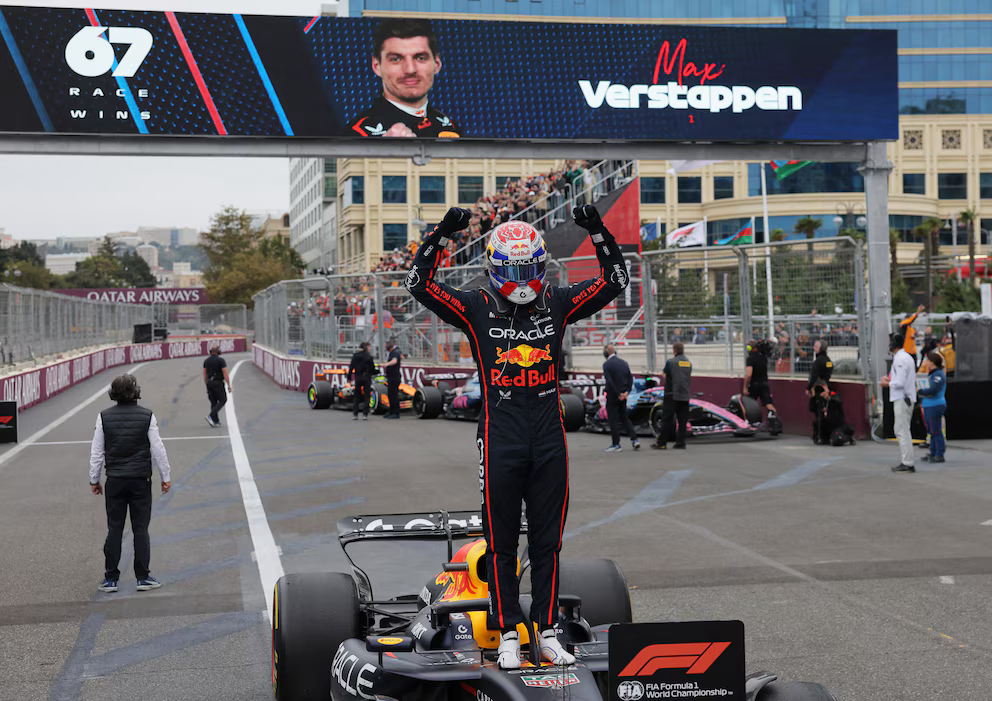
One of the defining elements of Verstappen’s preparation was his extraordinary mental adaptability. Scanes noted that Verstappen could switch instantly from calm detachment to intense competitive focus, regardless of the environment. Whether stepping into a team meeting, entering a simulator session, or climbing into the cockpit, he could trigger a complete psychological shift on command. This mental agility, Scanes argued, is what distinguishes exceptional drivers from merely good ones. It enables Verstappen to compartmentalize distractions and channel his energy entirely toward performance when it matters most.
The physical side of his training was equally specialized. While Verstappen has never been a fan of long, monotonous gym sessions, his regimen was designed with precision. Emphasis was placed on strength under sustained load, particularly in the neck and core, to withstand the intense g-forces experienced in a Formula 1 cockpit. Cardiovascular endurance was balanced with explosive power drills, reflecting the demands of braking, steering, and rapid reaction during a race. Rather than building bulk or chasing aesthetics, the goal was functional strength — the kind that translates directly into better control and reduced fatigue over a two-hour race distance.
Another critical component of Verstappen’s preparation involved simulation and visualization work. Long before a race weekend, he would spend hours running virtual laps to memorize braking points, apex lines, and track evolution scenarios. On one occasion, ahead of the Saudi Arabian Grand Prix, Verstappen entered the event already familiar with the circuit’s behavior, despite never having driven it in real life. This allowed him to set competitive sector times almost immediately in the first practice session, a testament to the value of preparation that extends beyond physical training.
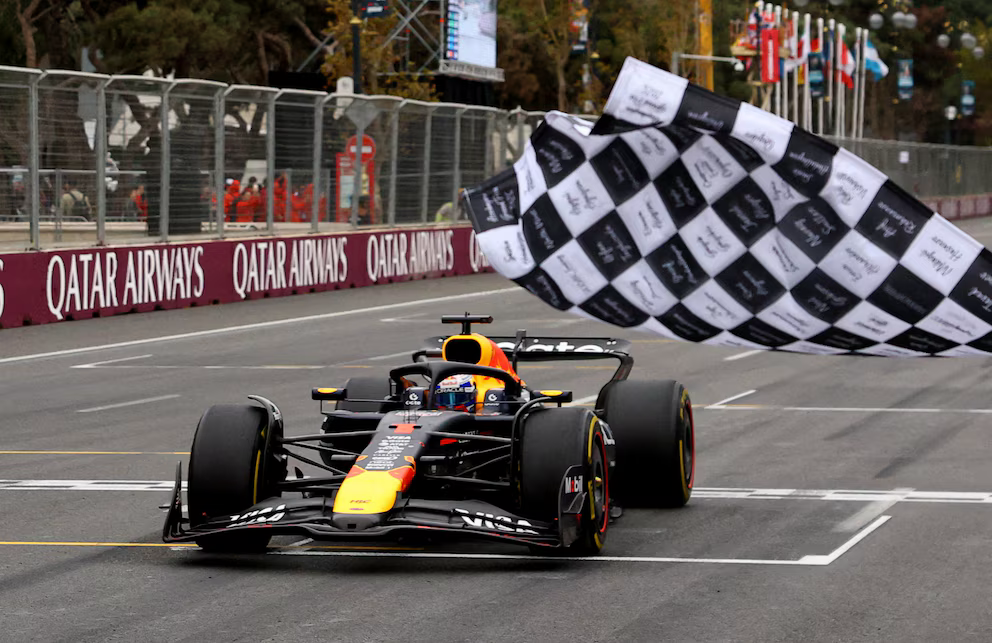
Psychological strategy also played a central role in Verstappen’s dominance. Scanes revealed that even seemingly minor decisions — such as arriving late to a media event or controlling the pace of press interactions — were calculated to project confidence and unsettle rivals. Verstappen and his team understood that performance in Formula 1 is as much about perception as it is about pace. Subtle acts of psychological positioning could create small but meaningful advantages, especially in high-pressure title battles.
Building and maintaining team cohesion was another pillar of Scanes’ work. Verstappen’s success was not just the result of individual excellence but of a tightly knit support system. From engineers and mechanics to public relations staff, every member of the operation was treated as part of a unified effort. Scanes often facilitated gestures of appreciation, such as handwritten notes or post-race debriefs, to strengthen trust within the team. This culture of mutual respect, he explained, was essential for maintaining morale during challenging stretches of the season.
One of the more revealing aspects of Scanes’ account is Verstappen’s pragmatic view of loyalty. While fiercely committed to Red Bull, Verstappen’s loyalty, according to his former coach, is tied directly to performance. If the team were to fall short of delivering a competitive car, he would reassess his options without hesitation. This mindset reflects the uncompromising nature of elite sport, where sentiment rarely outweighs the pursuit of victory.
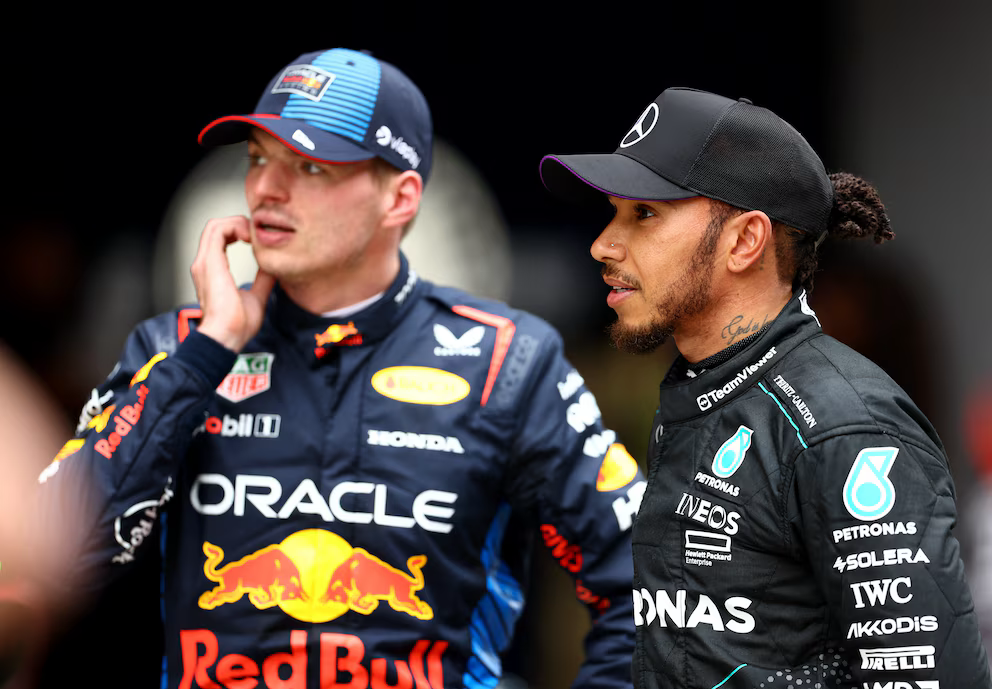
When Scanes and Verstappen parted ways at the end of 2023, their relationship had evolved beyond the typical driver-coach dynamic. Scanes recalls off-season training camps and informal strategy sessions in private settings where long-term goals were mapped out and pressure was deliberately recalibrated. These quieter moments, he said, were as crucial as the physical grind or simulator work, shaping the psychological framework that allowed Verstappen to perform under relentless scrutiny.
Taken together, these elements form a blueprint for elite performance in modern Formula 1. They show that success at the highest level is not the product of a single skill or habit but the integration of many disciplines — physical conditioning, mental agility, strategic psychology, and organizational harmony. Verstappen’s dominance is not accidental; it is the result of a deliberate system designed to maximize every possible advantage.
Whether Red Bull continues to provide the platform for his success or Verstappen eventually seeks a new challenge, one truth is clear: the fusion of mind, body, and machine has been the foundation of his rise. And as Formula 1 enters an era defined by marginal gains and relentless competition, that blueprint may prove to be the model for champions yet to come.
More than the news, the pattern. / Más allá de la noticia, el patrón.