

 Mario López Ayala, PhD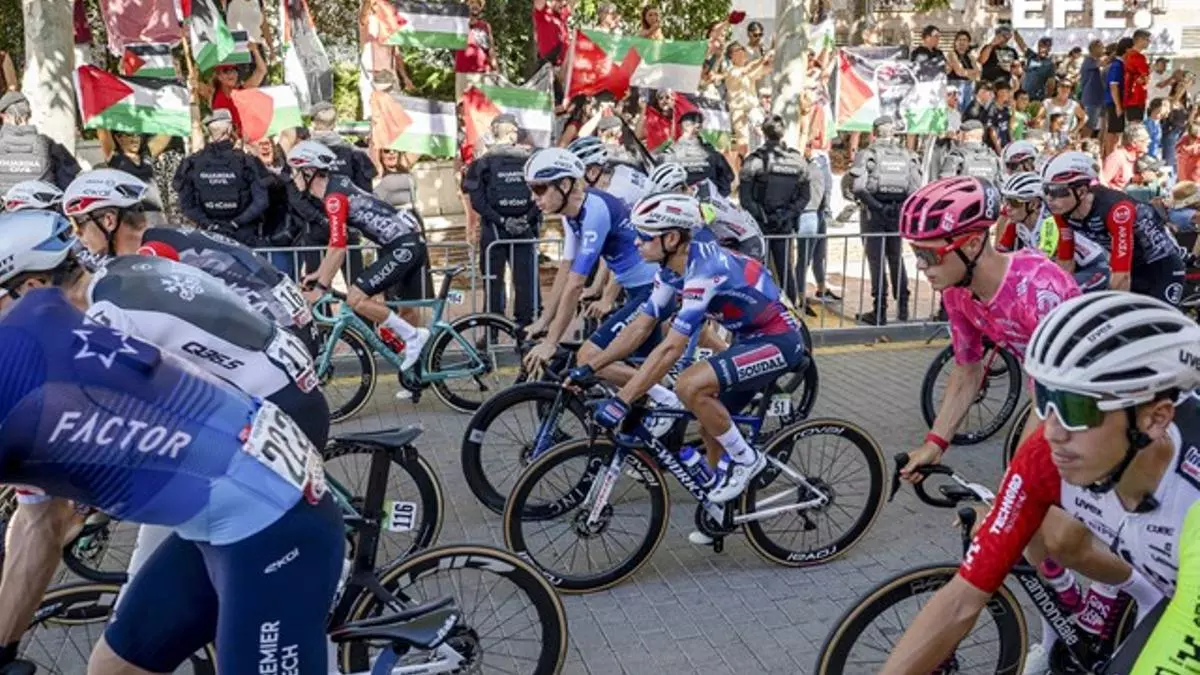
A team changes owners when the weight of its flag becomes heavier than its results.
Barcelona, 21 November 2025.
The professional cycling team formerly registered under Israeli licensing will operate under new ownership after a company co-founded by Andrés Iniesta finalized its acquisition, setting in motion a full rebranding ahead of the next season. The decision follows a turbulent year marked by protests, sponsorship instability and reputational pressure that turned the squad into an unintended symbol of global tensions rather than athletic competition. For its new leadership, the move represents both an opportunity and a risk: transforming a team defined by controversy into one capable of competing without carrying the burden of geopolitics on its back.
Inside the cycling ecosystem, the transition is viewed as a calculated maneuver. Relocating the team’s operational base to Spain and shifting its institutional identity serves to distance it from the political frictions that repeatedly overshadowed its races. Riders who spent months navigating disruptions now anticipate a cleaner environment where their performances can speak louder than external narratives. For the management group led by Iniesta, the takeover is a bet on rebuilding credibility through stability, discipline and a renewed commercial vision rooted in European sporting culture.
The broader implications extend beyond branding. Professional cycling remains a sport where funding, identity and national symbolism are deeply intertwined. When protests, media scrutiny and sponsor hesitation accumulate around a team, every race becomes a referendum on issues far removed from the road. The acquisition aims to break that cycle by reframing the project under a neutral, globally marketable identity designed to attract new partners while offering athletes a platform free from inherited conflict.
As the new era begins, the challenge lies not in changing logos but in redefining the narrative. The team’s future will depend on whether it can convert this ownership shift into performance, trust and long-term visibility. In the end, the measure of success will not be the noise that surrounded its past, but the silence earned through results that stand on their own.
Reinvention begins when a name carries more future than history.