

 Phoenix 24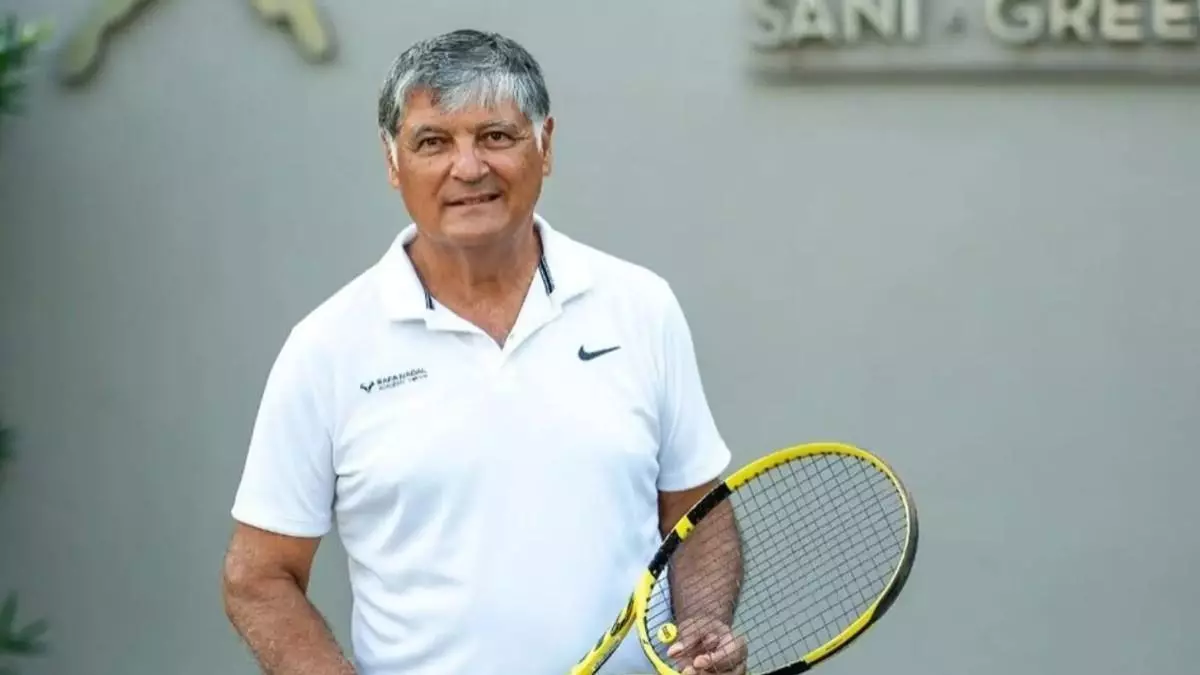
Greatness was never built through comfort.
Paris, June 2026. Toni Nadal’s reflections on Rafael Nadal once again expose the hidden architecture behind one of tennis’s most demanding careers. The former coach and uncle of the Spanish champion has become more than a secondary figure in the Nadal story; he represents the disciplinary system, emotional hardness and formative pressure that helped turn raw talent into competitive inevitability.
The renewed attention around Rafa’s documentary has reopened the debate over the Nadal method. Toni’s role was never limited to technical instruction, footwork or tactical correction. His influence operated at a deeper level, shaping a mentality in which excuses were treated as weakness and adversity became part of the training environment itself.
That model produced extraordinary results, but it also carried emotional cost. Rafa’s later separation from Toni as coach revealed that even the most successful sporting relationships can reach a point where continuity becomes suffocating. The transition did not erase gratitude, but it did mark a need for autonomy, especially in the final stage of Nadal’s career.
The documentary context gives this story a more human dimension. Nadal is no longer only the warrior of Roland Garros, the athlete of pain tolerance and improbable recovery. He appears as a man shaped by family, pressure, loyalty and the difficult act of becoming independent from the same structure that made him great.
Toni Nadal’s public reflections also challenge the current culture of elite sport. In an era where many athletes are surrounded by protective teams, brand managers and motivational language, his philosophy remains almost uncomfortable. It insists that discipline, correction and truth matter more than permanent validation.
Yet the Nadal case cannot be reduced to nostalgia for harsh coaching. Its significance lies in balance. Toni created the conditions for mental toughness, but Rafa ultimately had to transform that inheritance into his own identity. The champion did not merely obey the method; he absorbed it, questioned it and eventually outgrew part of it.
That is why the Toni-Rafa relationship continues to fascinate tennis. It contains victory, tension, dependence, rupture and legacy. Few sporting partnerships have produced so much success while also revealing so clearly the psychological complexity behind excellence. The myth of Nadal was forged on clay, but its deeper material was discipline under emotional pressure.
Now, with Rafa’s career already entering the realm of memory and documentary reconstruction, Toni’s voice functions as both witness and architect. He reminds tennis that greatness is rarely spontaneous. It is built through repetition, conflict, sacrifice and the uncomfortable presence of someone willing to demand more when talent alone would have been enough for almost anyone else.
Detrás de cada dato, la intención. / Behind every data point, the intention.