

 Phoenix 24
When military power weaves new alliances the map of influence is redrawn
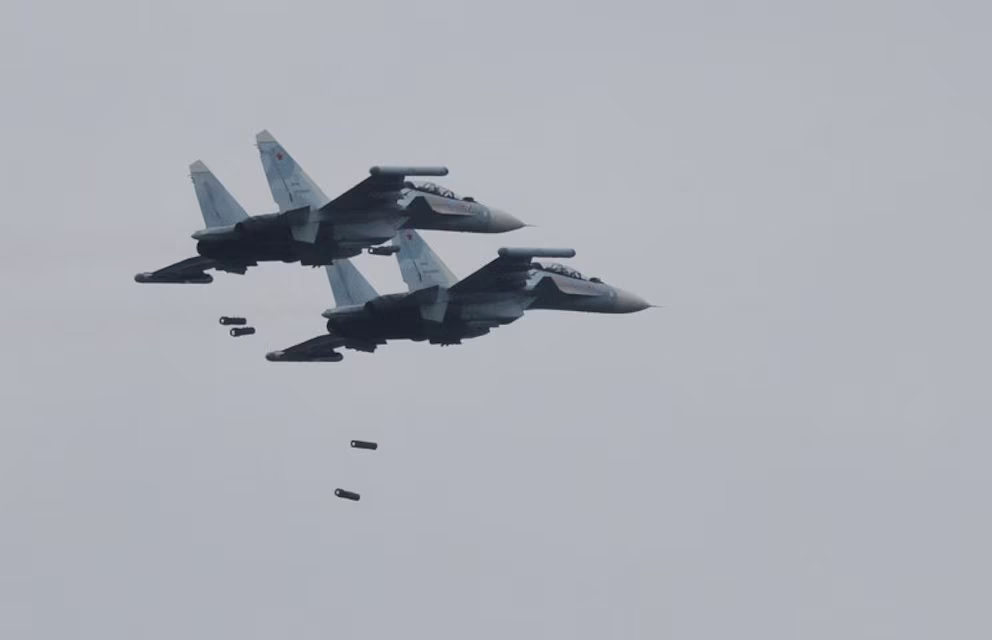
Moscow September 2025 — India and Iran have joined for the first time the large-scale military exercises Zapad led by Russia and Belarus, a maneuver that involves approximately one hundred thousand soldiers from across Asia and Africa. The drills include advanced missile tests, strategic nuclear deterrent components, naval operations, aerial deployments and border scenarios close to NATO frontiers.
Reports from state sources describe the participation of India’s Kumaon Regiment deployed to the Mulino training ground in Russia well away from NATO borders. Iran’s involvement was confirmed by official agencies observing Teheran’s increasingly solid ties with Moscow including joint technology exchanges and logistical support linked to conflict zones. Several other nations from South Asia and Africa have also been incorporated reflecting a deliberate push by Russia and Belarus to expand military cooperation beyond their core region.
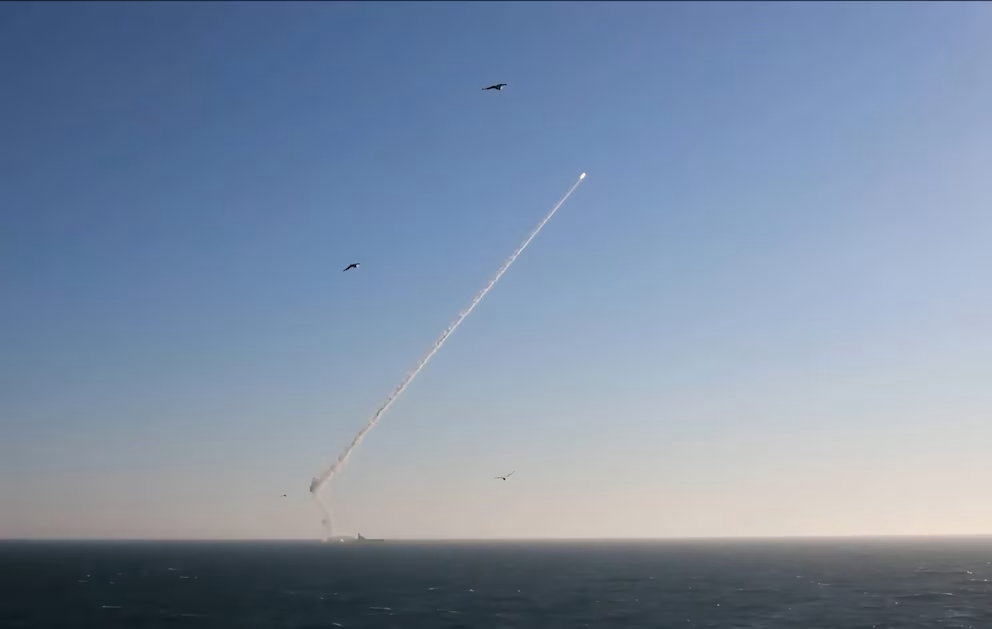
Simulated operations include launches of hypersonic Zircon missiles and ballistic systems coastal defense drills with armored units and drones over land and sea. Strategic air force maneuvers over the Barents Sea and sea-Baltic operations near Poland Lithuania and Latvia hint at the broader symbolic message: rehearsals not just for defense but for influence and deterrence. The Kremlin maintains the objective is “preparing for potential aggression against the Union State” a term used to define the Russia-Belarus alliance.
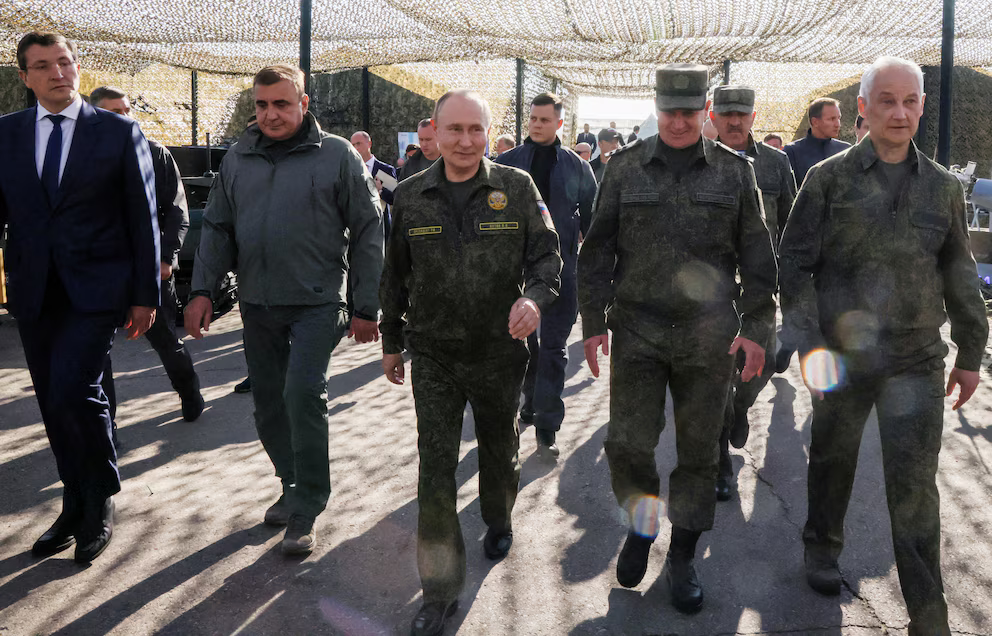
The exercises have provoked concern from NATO members who view them as pressure tactics rather than benign training. Poland in particular has cited scenarios involving the Suwałki Gap as especially provocative and has increased its own troop alert near its eastern border. Observers in Europe worry that with new actors entering the drills Russia is signaling a reconfiguration of alignments in global power balances.
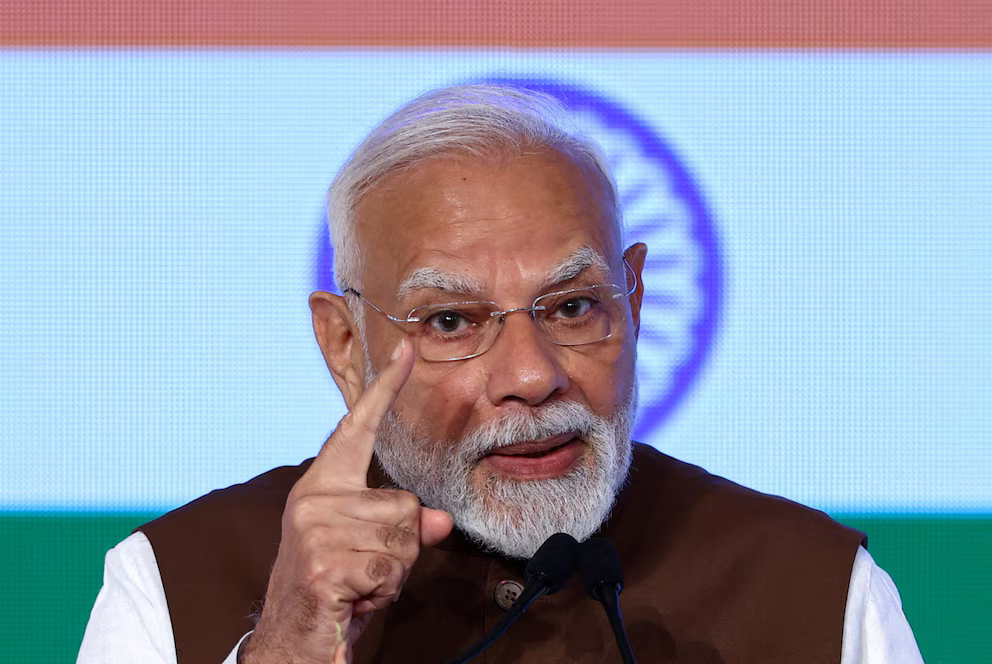
For India the move is part of a long standing engagement with Moscow offering geopolitical leverage, military-technical cooperation and strategic balancing against regional rivals. For Iran the involvement reinforces its ambition to project presence and deterrence beyond its immediate neighborhood. Both nations gain symbolic capital even if the practical contributions of their deployments are relatively limited.
These manoeuvres underscore how military strategy is evolving not only in physical terrain but in narratives of alliance and legitimacy. The presence of nations from outside the traditional western order shifts the meaning of power projection. It is no longer reserved to formal alliances, but becomes dispersed, multilateral, informal yet demonstrably visible.
The geopolitical implications are manifold: heightened security alert in Europe renewed debates inside NATO about deterrence credibility shifting regional risk assessments and growing pressure on Western governments to respond not just diplomatically but with policy, intelligence and military posture. This is also a signal issued not quietly but deliberately broadcast to strategic observers everywhere.
Whether Zapad becomes merely another tension line or a catalyst for deeper aligned blocs depends on how states interpret symbols and act on warnings. Military might is material, but narrative might be what changes maps.
Each silence is a map of power Each piece of data is a form of control
Cada silencio es un mapa de poder Cada dato es una forma de control