

 Phoenix 24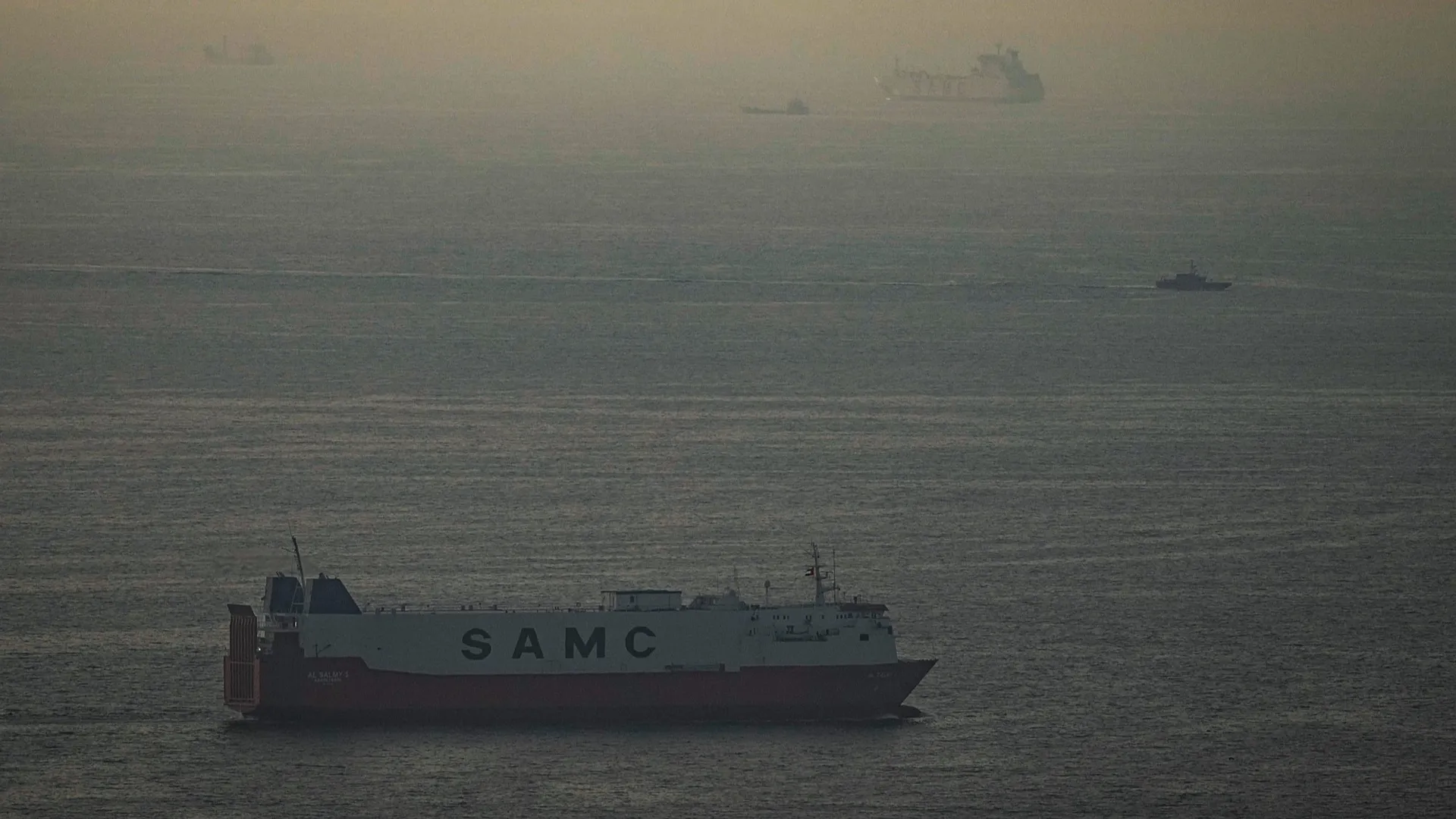
Energy chokepoints now define the war.
Tehran, March 2026. Iran’s threat of retaliation after Donald Trump’s 48-hour ultimatum to reopen the Strait of Hormuz signals a dangerous escalation from regional confrontation to direct coercion over one of the world’s most critical energy arteries. The warning followed Trump’s public threat to destroy Iranian power plants if Tehran did not fully reopen the strait within two days, while Iranian officials answered that any attack on their energy infrastructure would trigger reprisals against American and Israeli energy assets.
What matters here is not only the violence implied, but the strategic object at the center of the confrontation. Hormuz is not just a narrow maritime passage. It is a pressure valve for global oil flows, Gulf shipping confidence and the wider credibility of deterrence in the Middle East. Once a U.S. president turns the reopening of that chokepoint into a public ultimatum backed by threats against civilian energy infrastructure, the conflict moves beyond military signaling and into the terrain of economic warfare with immediate international consequences.
Iran’s response reflects that same logic. By threatening retaliation against energy targets rather than limiting its language to military bases or battlefield positions, Tehran is making clear that the next phase of this crisis may be fought through infrastructure disruption, market fear and strategic pain rather than through conventional territorial gain. That raises the stakes for every actor dependent on stable Gulf energy routes, because an attack on power systems or export nodes can destabilize supply expectations even before any formal blockade or wider strike campaign takes hold.
The deeper issue is political psychology. Trump’s ultimatum is built on maximalist compellence: force the adversary to reverse a strategic move under a compressed deadline and under threat of visible punishment. But compellence is harder than deterrence. It requires the other side not merely to avoid action, but to publicly retreat. For Iran, complying under those conditions would not read as tactical flexibility. It would read as humiliation. That is why the risk of retaliation rises precisely when ultimatums are framed in absolute terms.
This is what makes the current moment so unstable. If Washington attacks Iranian power infrastructure, it widens the definition of legitimate targets. If Tehran answers through energy reprisals, the confrontation spreads into systems that affect civilians, markets and allied states far beyond the immediate battlefield. In that environment, escalation no longer depends only on missiles or naval maneuvers. It depends on who is willing to convert vulnerability into leverage first.
What emerges is a conflict increasingly organized around infrastructure sovereignty. The war is no longer only about military dominance, regional proxies or symbolic retaliation. It is about who can keep energy moving, who can interrupt it and who can survive the political fallout of doing either. Hormuz, in that sense, is no longer just a strait. It is the narrowing point where military pressure, market exposure and presidential coercion are now colliding.
The visible and the hidden, in context.