

 Phoenix 24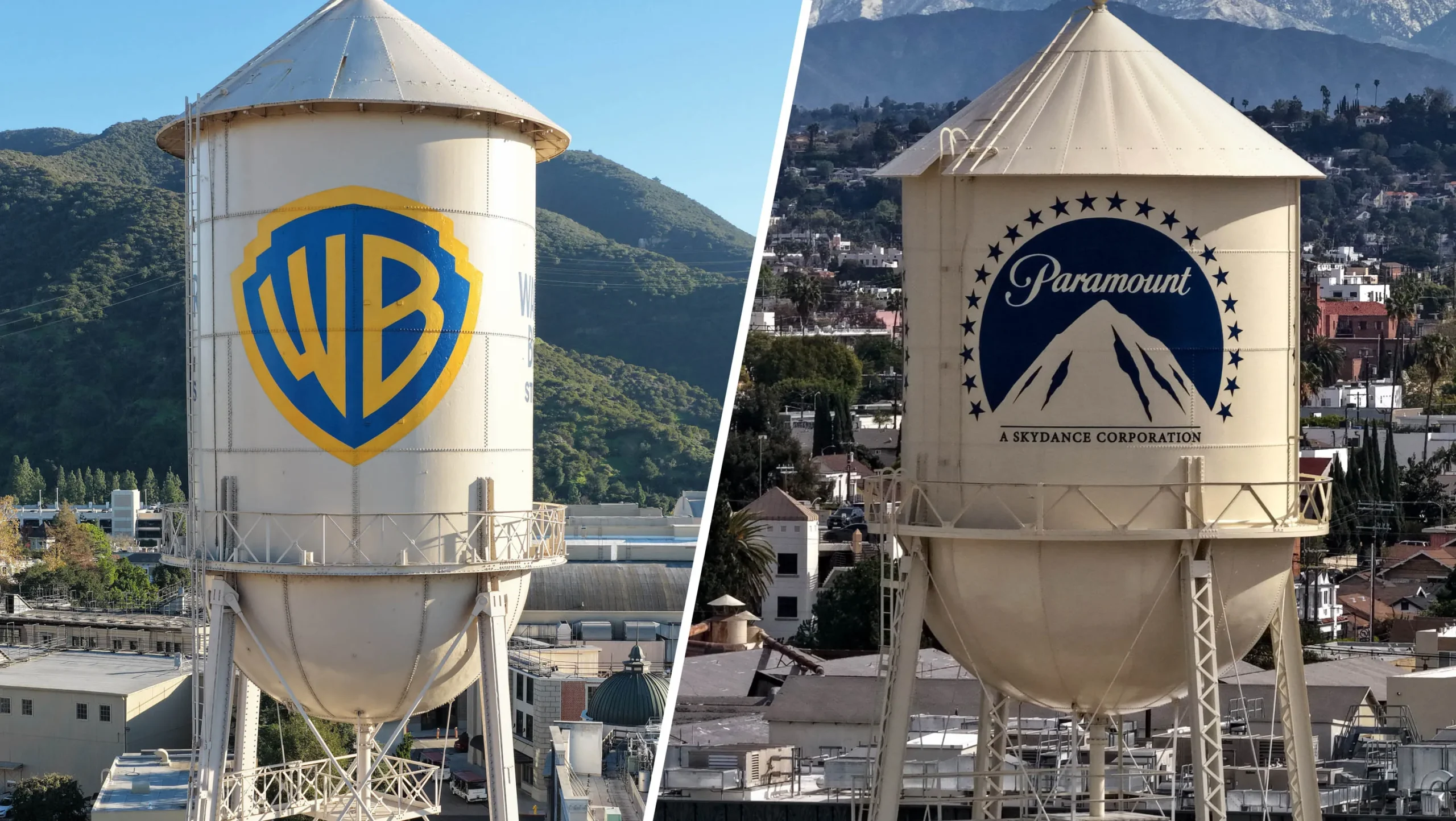
A merger becomes a cultural power struggle.
Los Angeles, April 2026. Opposition inside Hollywood is growing as the proposed merger between Paramount Skydance and Warner Bros. Discovery moves from corporate negotiation into a broader fight over cultural power. Shareholder approval has pushed the deal closer to completion, but the reaction from actors, filmmakers, cinema groups and public officials shows that the battle is far from over. What is being contested is not only a transaction, but the future architecture of American entertainment.
The merger would bring together two of Hollywood’s most important legacy studios, along with major streaming, television, news and franchise assets. For investors, the argument is scale. In a market dominated by streaming competition, expensive content production and global platform pressure, consolidation appears to offer efficiency, bargaining power and long-term survival.
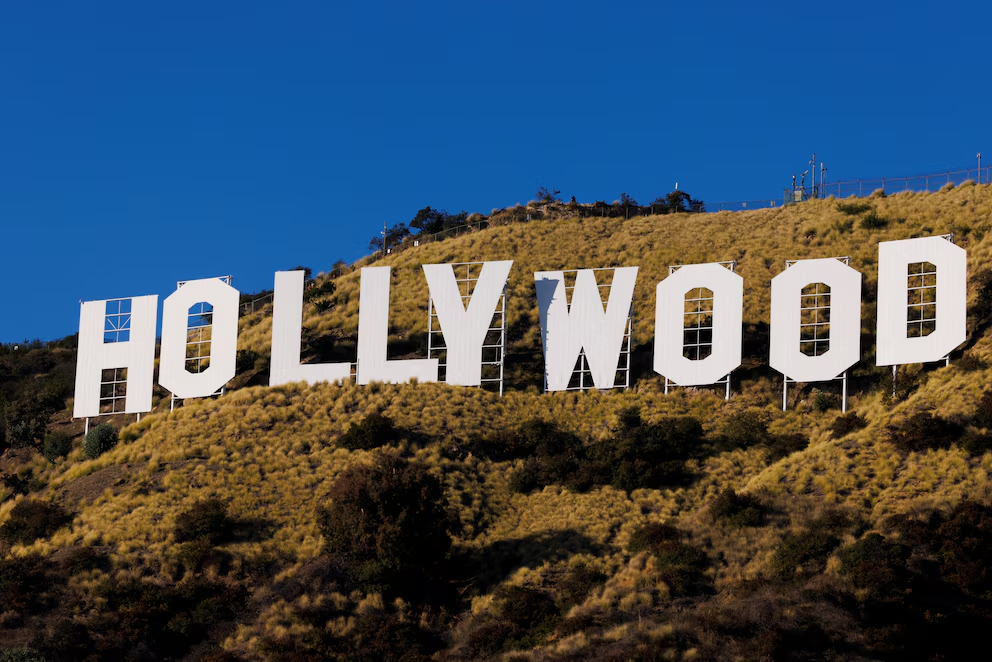
For much of the creative community, however, that same scale looks like concentration. The concern is that fewer owners will mean fewer buyers, fewer projects, fewer jobs and narrower creative risk. Hollywood’s labor ecosystem depends on multiple studios competing for scripts, actors, directors, crews, producers and distribution windows. When those buyers merge, opportunity can shrink even if the balance sheet improves.
This is why the opposition has gained force beyond financial circles. Thousands of industry professionals and consumers have reportedly signed an open letter warning that the merger could damage competition and reduce creative diversity. Their argument is simple but powerful: entertainment is not just another industrial sector. It shapes imagination, public memory, political perception and cultural identity.
The deal also arrives after years of instability in Hollywood. Streaming disrupted theatrical windows, strikes exposed deep labor tensions, artificial intelligence unsettled writers and performers, and cost-cutting became a permanent corporate language. Against that backdrop, another giant merger is being read not as renewal, but as another step toward a thinner, more centralized creative economy.
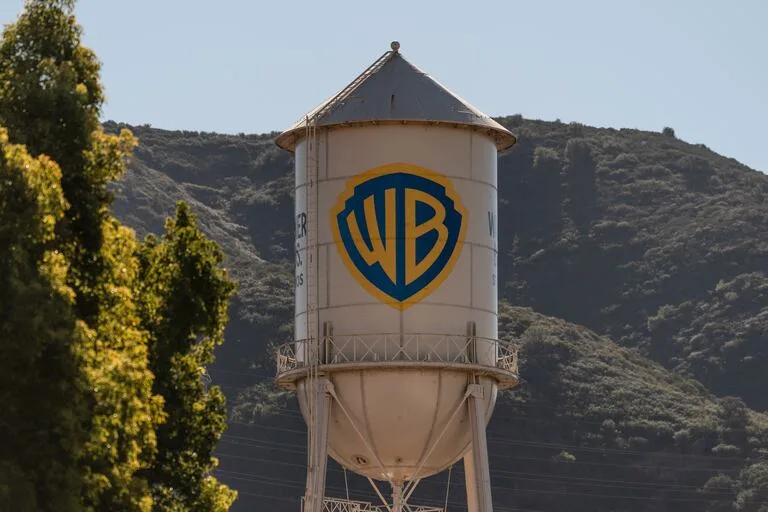
Paramount’s leadership has attempted to frame the merger as a pro-cinema and pro-content move. Commitments around theatrical releases, studio investment and brand preservation are designed to calm fears that the deal would simply produce layoffs and library consolidation. But promises made during merger campaigns often collide with the financial logic that follows approval.
That financial logic is already visible. Large media mergers typically carry pressure to find synergies, eliminate overlap and reduce debt exposure. In practical terms, that can mean job cuts, fewer development teams, reduced marketing diversity and tighter control over greenlighting. The word “synergy” may sound administrative, but in Hollywood it often translates into fewer people deciding what stories reach the screen.
The role of Warner Bros. makes the stakes especially emotional. Its library, franchises and studio history carry symbolic weight inside the American cultural imagination. Batman, Superman, Harry Potter, HBO dramas, CNN and decades of cinema history are not neutral assets. They are cultural infrastructure, and the question is who should control that infrastructure in an era of platform consolidation.

Paramount brings its own legacy and ambitions. Backed by powerful financial forces and led by David Ellison, the company is positioning itself as a stronger alternative to other potential buyers. The argument is that a Paramount-led merger could preserve theatrical culture and studio identity more effectively than a pure streaming giant. But critics are not convinced that one form of consolidation is automatically safer than another.
Regulators now become central actors. The United States Department of Justice and European authorities are expected to scrutinize the deal’s impact on competition, streaming markets, studio output and consumer choice. State-level political pressure may also intensify, especially in California, where entertainment remains both an economic engine and a symbolic industry.
The antitrust question is not only whether consumers will pay more. It is whether creators will have fewer doors to knock on. A market can look competitive to viewers while becoming more restrictive behind the scenes. If writers, producers and independent filmmakers face fewer viable buyers, the ecosystem becomes less plural even if catalogs grow larger.
News assets add another layer. Any merger involving entertainment and information brands raises concerns about editorial independence, political influence and the concentration of public narratives. In a polarized United States, control over news distribution cannot be separated from control over civic perception. That makes the deal politically sensitive beyond the film and television business.
The compensation controversy surrounding executives also sharpens the backlash. At a time when industry workers fear layoffs and reduced opportunity, enormous executive packages tied to the merger create a legitimacy problem. Hollywood workers may accept strategic change, but they are less likely to accept a model in which creative labor absorbs insecurity while executives exit with extraordinary rewards.
The theatrical sector is watching closely. Cinemas still depend on a steady flow of major releases, not only superhero tentpoles but mid-budget films capable of sustaining attendance across the year. If consolidation leads to fewer films, longer franchise cycles or tighter distribution strategies, theaters could face additional pressure. A merger designed for corporate strength may weaken the ecosystem that makes cinema visible.
There is also a generational concern. Younger filmmakers already face a market where streaming metrics are opaque, development cycles are cautious and franchise logic dominates risk assessment. A larger merged studio could become even more conservative, prioritizing proven intellectual property over original voices. That would not kill creativity, but it could push it further toward the margins.
Supporters of the deal argue that consolidation may be necessary for legacy studios to survive against technology giants with deeper pockets and global distribution systems. That argument cannot be dismissed. Hollywood is no longer competing only with Hollywood. It competes with platforms, algorithms, gaming, social media and artificial intelligence systems that consume attention at scale.
But survival through consolidation carries its own danger. If the answer to every disruption is a larger corporation, the industry may protect capital while hollowing out creativity. The result could be a smaller number of powerful entities producing a larger quantity of safer content, optimized for platforms but less willing to take cultural risks.
The opposition in Hollywood is therefore not nostalgia. It is a warning about the political economy of imagination. Who owns the studios matters because ownership shapes which stories are financed, which voices are elevated and which audiences are considered worth serving. A merger of this scale does not merely reorganize assets; it reorganizes the conditions of cultural production.
The next phase will depend on regulators, legal challenges and the ability of creative coalitions to sustain public pressure. Shareholders have spoken, but the industry has not finished responding. In Hollywood, approval on paper does not erase resistance in the ecosystem.
The Paramount–Warner fight is ultimately a struggle over whether scale can coexist with plurality. If the merger proceeds, the central test will not be whether the new company becomes financially larger. It will be whether it can avoid making Hollywood smaller.
Detrás de cada dato, hay una intención. Detrás de cada silencio, una estructura.