

 Phoenix 24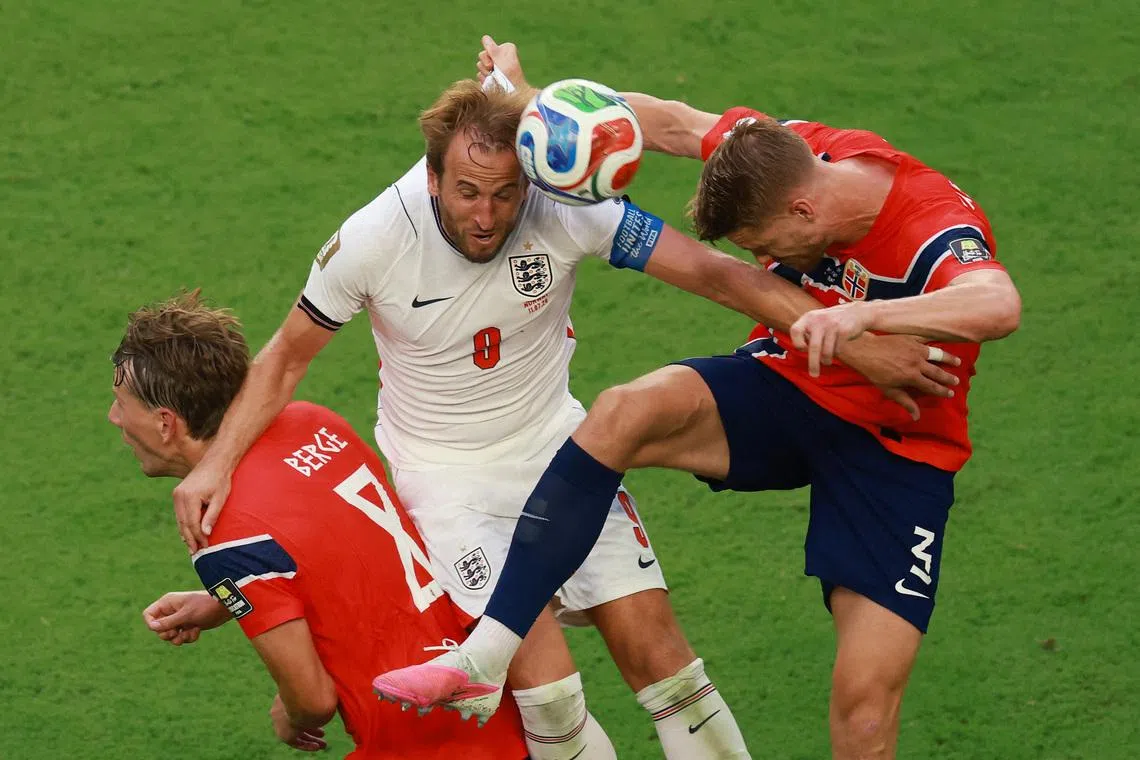
The scans reveal differences, but not a diagnosis.
London | July 2026
Former professional footballers displayed structural brain differences and substantially higher levels of anxiety and depression than people without a history of contact sports, according to preliminary research led by Imperial College London. The findings suggest measurable changes may be present during middle age, years before neurodegenerative disorders would normally become clinically apparent.
The study involved 142 retired players between 30 and 60 years old who had competed in the leading professional leagues of the United Kingdom. The group included 126 men and 16 women and was compared with 56 similarly aged participants who had no history of contact sports, military service or previous concussion.
Researchers evaluated memory, reasoning and other cognitive abilities through standardized tests. After accounting for factors including age and education, the retired footballers performed at broadly similar levels to the control group. The study therefore found no evidence that the former players were experiencing generalized cognitive decline.

The mental-health results were markedly different. Thirty-one percent of the former professionals met the threshold for clinical depression, compared with nine percent of the control participants. Clinical anxiety was identified in 42 percent of the players and 25 percent of those without comparable exposure to contact sports.
Former players also reported greater difficulty with planning, concentration, problem-solving and managing everyday activities. These differences emerged primarily through personal assessments rather than objective cognitive tests. The contrast indicates that individuals may experience meaningful functional or emotional difficulties even when conventional memory and reasoning examinations remain within expected ranges.
Magnetic resonance imaging provided another layer of evidence. Researchers analyzed scans from 124 former players and 40 control participants, looking for regional differences in grey-matter volume. As a group, the retired footballers had less brain tissue in areas associated with memory and emotional regulation.
Reduced grey-matter volume can occur for several reasons and should not automatically be interpreted as progressive neurological disease. Only approximately two percent of the former players showed severe brain shrinkage consistent with possible active neurodegeneration. The broader structural differences did not establish that the participants had Alzheimer’s disease, chronic traumatic encephalopathy or another specific disorder.
The researchers emphasized that the findings cannot prove football caused the observed changes. The study provides a comparison at one stage of the participants’ lives, but it does not show what their brains looked like before they became professional athletes. Differences in genetics, mental health, injuries, lifestyle, alcohol consumption, cardiovascular health and career experiences could also influence the results.
The research has not yet completed peer review. Its findings were presented at the 2026 Alzheimer’s Association International Conference and are expected to form part of a larger scientific publication. Independent examination of the methodology and expanded analysis will be necessary before definitive conclusions can be reached.
Repeated head impacts remain the central scientific concern. Professional footballers may experience thousands of headers, player collisions and falls during training and competition. Many of these events do not cause a clinically recognized concussion, yet their cumulative neurological effects remain under investigation.

A player does not need to lose consciousness for the brain to experience mechanical stress. Subconcussive impacts may produce temporary changes that are difficult to detect individually but could become significant through repetition. Researchers are attempting to determine whether reducing lifetime exposure can lower the probability of neurological problems after retirement.
The new study approaches the question differently from research based on post-mortem examinations or retrospective medical records. It evaluates living former players during middle age, when early changes may exist without producing obvious dementia symptoms. Participants are expected to undergo follow-up assessments every two years, allowing researchers to observe whether the detected differences remain stable or progress.
Longitudinal monitoring will be essential because one scan cannot predict an individual’s future. A person with reduced volume in a particular region may never develop cognitive impairment, while someone with an apparently normal scan could experience problems later. Meaningful risk prediction requires evidence showing how biological markers change over time and how those changes relate to clinical outcomes.
The limited representation of women is another important constraint. Only 16 female former players participated, making it difficult to determine whether sex-related biological factors, different training histories or variations in professional conditions influence long-term brain health. Future studies will require more balanced samples as women’s professional football continues expanding.
The results also highlight the need to treat mental health as a central component of brain health. Anxiety and depression among retired athletes may reflect neurological exposure, the loss of professional identity, chronic pain, financial uncertainty or difficulties adapting to life after elite competition. These factors can interact rather than operating as isolated causes.
Football organizations may need to strengthen support both during and after a player’s career. Periodic neurological assessment, accessible psychological services and accurate records of concussions and head impacts could help identify individuals who require attention. Retirement programs should also address emotional adjustment rather than concentrating exclusively on physical injuries.
Preventive measures are already becoming more prominent across the sport. These include limiting high-force headers during training, improving concussion recognition, removing players temporarily when symptoms appear and adapting heading practices for children. Any regulatory response must distinguish between established evidence and emerging risks while recognizing that uncertainty does not justify inaction.
The study does not conclude that football inevitably causes dementia. It shows that former professionals, as a group, presented structural and emotional differences that deserve continued investigation. Its most important contribution may be the identification of a period in which potential risks could be monitored before severe impairment develops.
Football’s physical consequences have traditionally been measured through damaged knees, ankles and muscles. Research is now expanding that responsibility to the organ that governs memory, identity and emotion. Protecting players requires understanding not only what happens during a collision, but what may remain decades after the final match.
La salud cerebral también forma parte del juego. / Brain health is part of the game too.