

 Phoenix 24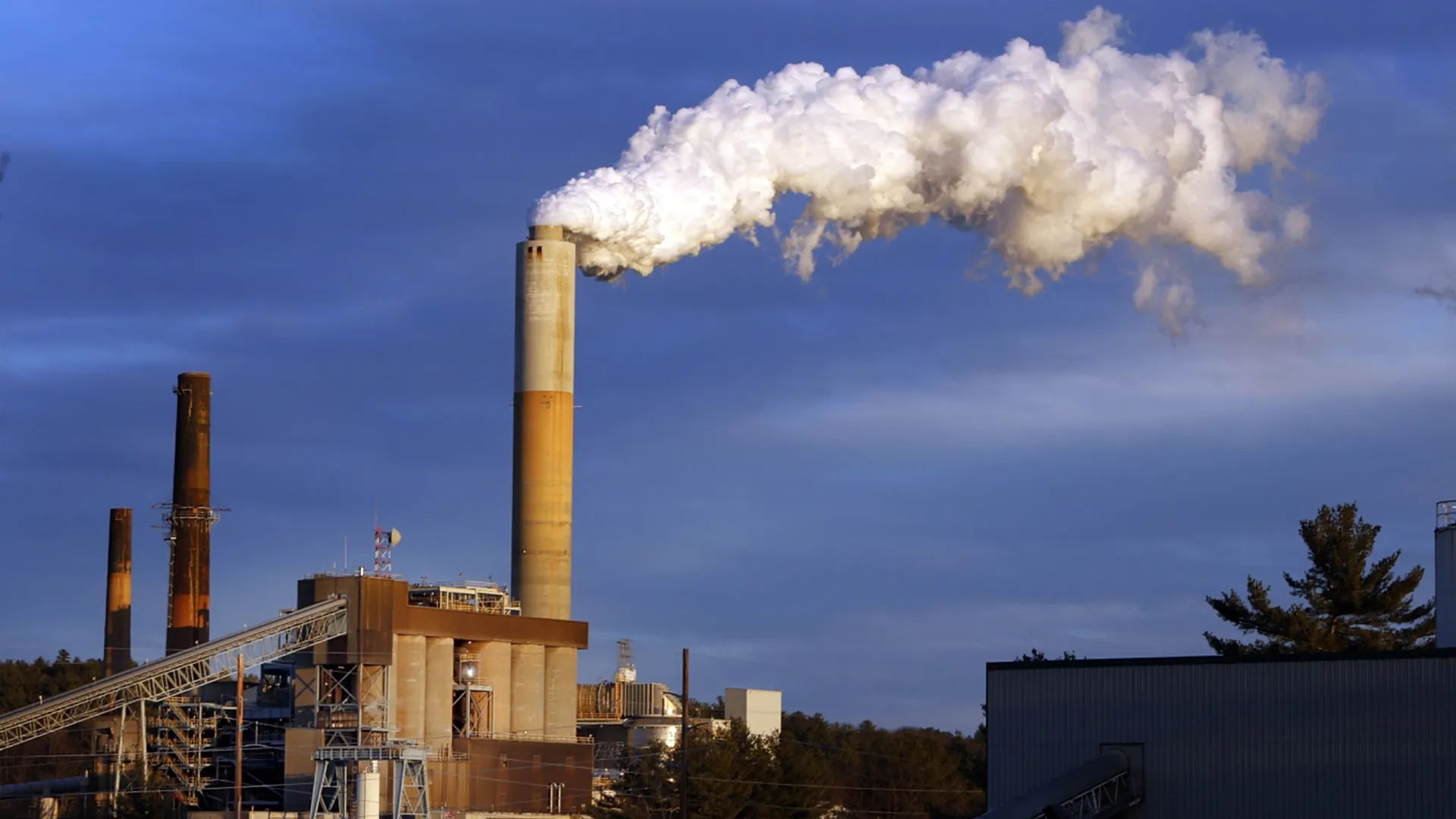
The transition stalls where profit still rules.
Brussels, March 2026. The contradiction at the center of the energy transition is no longer hidden behind polished corporate language. Major oil companies spent years speaking in the vocabulary of decarbonization, sustainability and net zero ambition, yet the political and market climate now reveals a harder truth. When profitability, energy security and shareholder pressure collide with environmental commitments, the green narrative is often the first element to be softened. What is now emerging is not a minor adjustment in tone, but a more visible recalibration of priorities across the fossil fuel industry.
The most important point is not simply that climate rhetoric has cooled. It is that the rollback increasingly appears structural rather than temporary. The message coming from major petroleum actors suggests that fossil energy remains indispensable, not merely as an uncomfortable bridge, but as a durable foundation they are unwilling to leave at the speed once implied. That shift carries considerable symbolic weight. It means the transition is no longer being presented as an irreversible corporate conversion, but as a contested space in which oil giants are reasserting their centrality and reminding governments, investors and consumers that modern economies still rely heavily on their infrastructure, liquidity and geopolitical leverage.
The deeper issue is one of credibility. For years, some of the world’s largest energy firms cultivated the image of strategic adaptation, presenting themselves as future oriented corporations ready to invest in lower carbon technologies while gradually reducing environmental impact. But once geopolitical instability, volatile prices and resilient demand returned to the center of the global conversation, many of those pledges began to look more elastic than transformative. This does not mean the sector abandoned every green initiative. It means the hierarchy of priorities became harder to disguise. Sustainability language was welcome while it aligned with market logic. Once pressure intensified, hydrocarbons moved back to the center of the business model.
There is a wider political consequence in that reversal. When corporate climate ambition weakens or becomes selectively flexible, public trust also erodes. The distance between promise and execution feeds skepticism toward voluntary pledges, weakens confidence in transition policy and strengthens the argument that self regulation is insufficient in an economic system that still rewards extraction at scale. Citizens are told to consume differently, governments are pushed to legislate difficult reforms and industries are applauded for long term vision. But that entire architecture becomes politically fragile when the largest energy actors appear to reserve for themselves the right to slow the process whenever market conditions become less favorable.
This is why the debate is no longer only environmental. It is also economic, institutional and moral. The oil majors are not marginal participants in the transition. They are among the few actors with the capital, infrastructure and engineering capacity to shape its pace globally. When they dilute their green commitments, the damage goes beyond public relations. It affects investment signals, policy confidence and the collective imagination of what energy transformation is actually feasible. The central question, then, is not whether the world can stop depending on them overnight. It is whether the language of transition has been used as a legitimacy shield while postponing the scale of structural change that a real transition would demand.
Behind every datum, there is an intention. Behind every silence, a structure.