

 Phoenix 24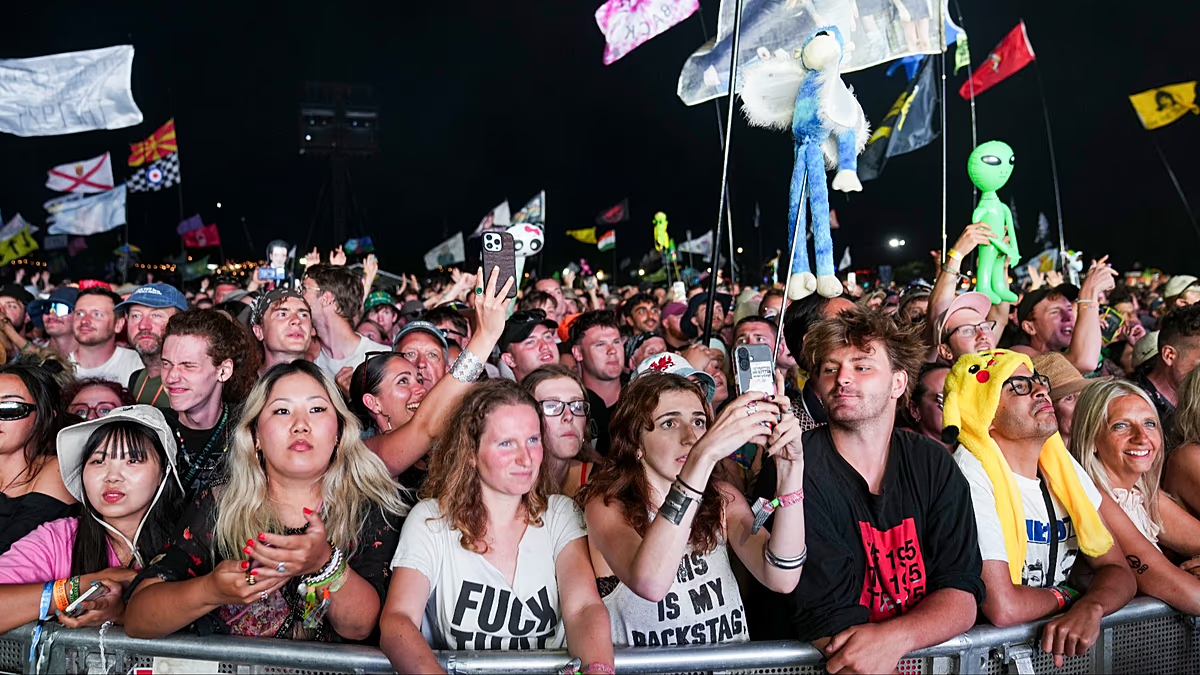
A £408 admission fee is testing whether Britain’s most famous festival can remain socially inclusive.
PILTON, UNITED KINGDOM
Glastonbury Festival has confirmed that admission for its 2027 edition will cost £408, approximately €480, including a £5 booking fee. The record price represents an increase of almost £30 from 2025 and has renewed criticism that one of Britain’s defining cultural events is becoming inaccessible to ordinary music fans.
The festival will return to Worthy Farm from June 23 to 27 after observing a fallow year in 2026. Tickets are expected to go on sale next month, although organisers have not announced the principal performers. The Rolling Stones, Stevie Wonder and Fontaines D.C. have appeared in speculation surrounding the programme, but none has been officially confirmed.
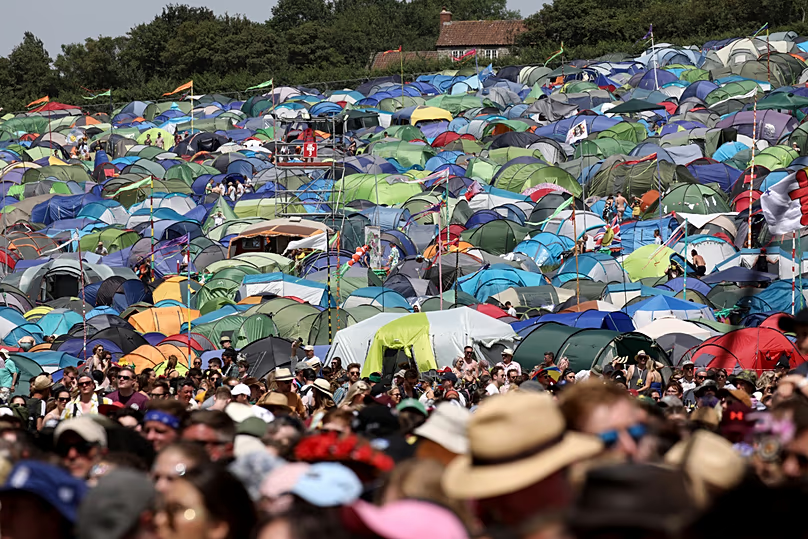
Supporters of the price argue that £408 can still represent good value for five days of concerts, performances and cultural activities. Individual stadium shows in Britain frequently cost between £80 and £100, meaning festival visitors could see numerous major artists for less than the accumulated price of several separate concerts.
Critics respond that the comparison excludes transportation, camping equipment, food and other expenses that can substantially increase the final cost. They also argue that asking fans to make an expensive commitment before announcing the line-up shifts much of the financial risk from organisers to consumers. For younger and lower-income audiences, the required payment may be prohibitive regardless of how many performances the ticket includes.
Glastonbury previously attributed rising prices to growing production, security, staffing and infrastructure expenses, as well as the financial consequences of pandemic cancellations. These pressures affect festivals across Europe, but alternatives remain less expensive: recent four-day passes cost approximately €235 at Rock en Seine, €315 at Rock Werchter and €299 at Best Kept Secret, including camping at the Dutch event.

The controversy reflects a wider transformation in live music. Touring expenses, dynamic ticketing, limited supply and the concentration of major performers have turned access to concerts into an increasingly significant financial decision. Festivals that once projected an alternative or countercultural identity now operate within an entertainment economy shaped by premium experiences and unequal purchasing power.
Glastonbury will probably continue attracting demand far beyond its available capacity. Selling every ticket, however, does not settle the underlying question. Commercial success can demonstrate popularity while concealing how many people have already been excluded by price.
Culture becomes exclusive when participation depends more on income than interest.